World news and discussion on TalkFuse.
How a Secret Orangutan Breeding Program Is Creating a Baby Boom
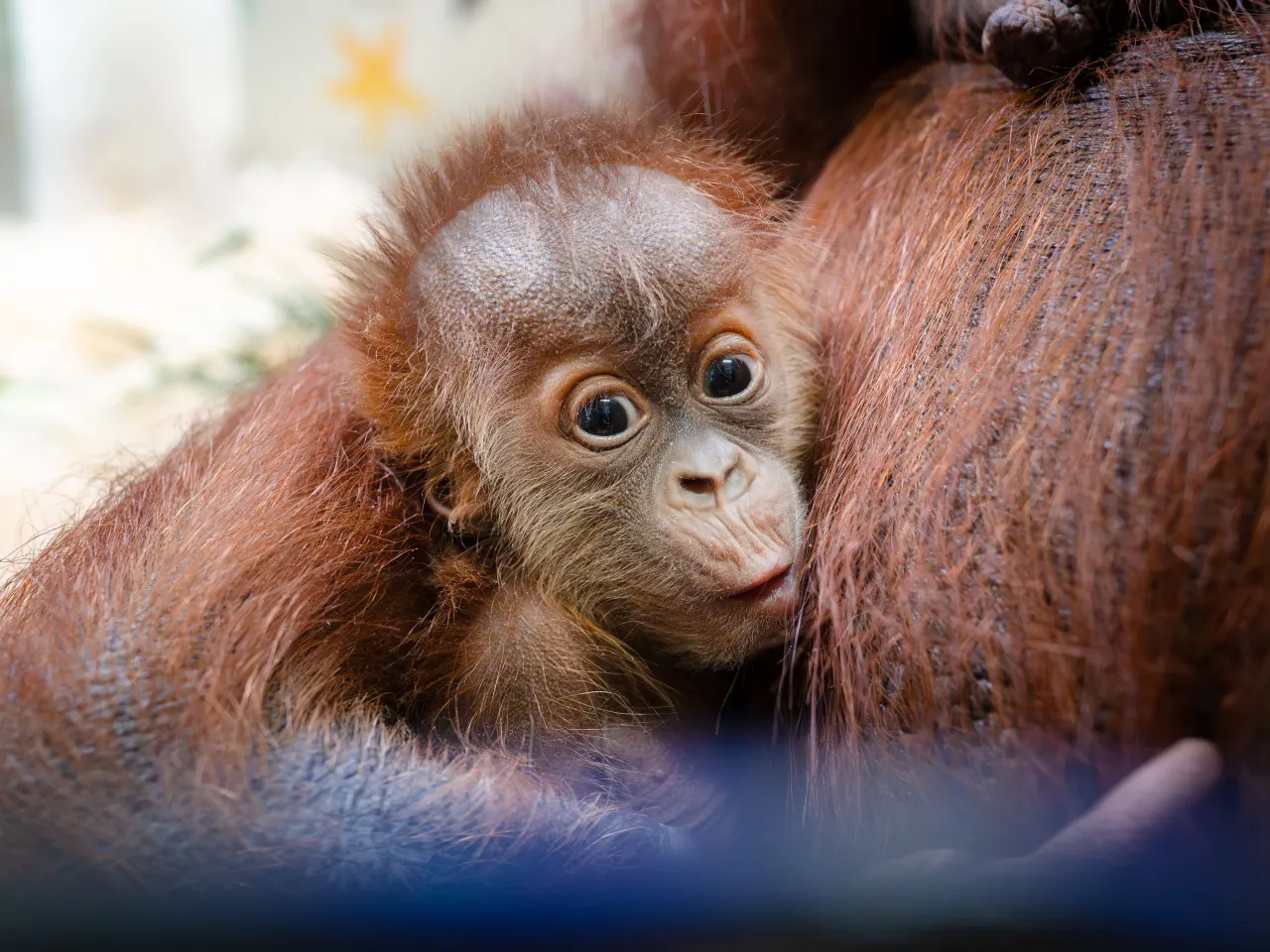
US zoos have recorded eight orangutan births since the start of 2025, an unusually high number for a critically endangered species that reproduces slowly. The surge is not accidental but the deliberate outcome of the Orangutan Species Survival Plan (SSP), a decades-old breeding coordination programme run across zoos accredited by the Association of Zoos and Aquariums, which pairs animals to maximise genetic diversity and mimic wild population dynamics.
The SSP, coordinating breeding recommendations since 1985, uses a genetic "studbook" to match animals with the lowest possible relatedness, while also weighing personality and group dynamics. Births began with Edi at Indianapolis Zoo in February 2025, followed by others in Utah, Los Angeles and Memphis, with further arrivals this year in Texas, Kansas, Indiana and Denver. Because orangutans share over 90% of their DNA with humans, zoos use methods such as human pregnancy tests, prenatal vitamins and even C-sections, while keepers train mothers—sometimes substituting a foster if bonding fails—to care for infants successfully.
In short
- Eight orangutan babies born at US zoos since early 2025
- Result of a carefully coordinated genetic breeding programme
- Zoos use human-like prenatal care and foster-mother training
Steelman: both sides, in good faith
The strongest fair case each way — we don't pick a winner.
The case for
A coordinated zoo breeding programme can help preserve genetic diversity and maintain a population of orangutans under human care, while building expertise in animal care and reproduction. Supporters may see these births as a responsible way to safeguard a critically endangered species and help people connect with its conservation needs.
The case against
Critics may question whether increasing the number of orangutans in zoos meaningfully aids wild populations, especially if the animals cannot be returned to their natural habitats. They may also argue that planned breeding and human-managed rearing risk placing institutional goals ahead of individual animals’ welfare, and that resources should prioritise protecting orangutans and forests in the wild.
Explained simply
Orangutans are great apes native to the forests of Borneo and Sumatra. They reproduce slowly, and the species is critically endangered, with habitat loss and other pressures threatening wild populations.
In the United States, accredited zoos work together through the Orangutan Species Survival Plan, a programme that has coordinated breeding recommendations since 1985. It uses records of animals’ ancestry to suggest pairings that keep close relatives from breeding, while also considering how individual orangutans get along.
The programme is part of zoos’ efforts to maintain a healthy population in human care and support conservation. Orangutan births and infant care can require specialist veterinary and keeper support because mothers and babies may need help bonding and learning to thrive.
Americas Celebrity Entertainment World