World news and discussion on TalkFuse.
One of history’s most famous battles could be rewritten by long-lost papal letter
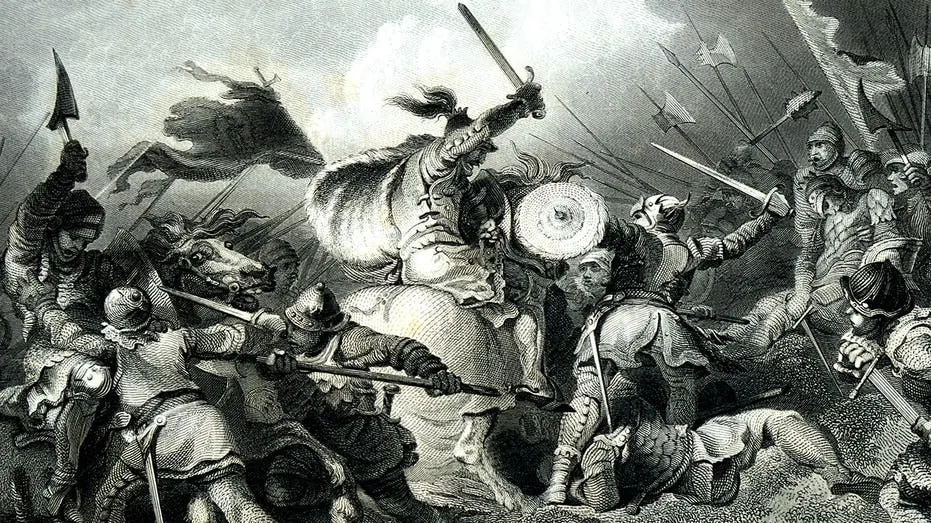
A researcher at the University of East Anglia has uncovered previously overlooked excerpts from a lost letter by Pope Alexander II that could offer a new explanation for the events leading up to the Battle of Hastings in 1066. Professor Tom Licence found the letter in the Vatican archives while researching the Norman Conquest, and argues it shows the pope may have backed William the Conqueror's invasion of England because the English had aligned with his rival, the antipope Honorius II. The discovery matters because the battle, which decided whether Harold II or William of Normandy would hold the English throne, has traditionally been seen as a straightforward succession dispute rather than part of a wider papal power struggle.
In the letter, Alexander describes England as being led astray by an "evil head" and uses language branding the English as "followers of Satan," phrases Licence says only make sense once read against the context of the rivalry between Alexander and Honorius, whose position had weakened in 1064 but who still looked capable of a comeback in 1065. Licence, who specialises in both the Norman Conquest and ecclesiastical history, says most historians working on 1066 have not closely examined papal politics of the period, which is why the connection had previously gone unnoticed. He believes England had at least withdrawn support from Alexander, if not openly backed Honorius, giving the pope an added motive of "regime change" in England. The findings are detailed in Licence's new book, "Harold: Warrior King."
In short
- Lost papal letter may explain Pope's backing of 1066 Norman invasion
- Historian links Battle of Hastings to a papal rivalry
- Findings appear in Tom Licence's new book "Harold: Warrior King"
Steelman: both sides, in good faith
The strongest fair case each way — we don't pick a winner.
The case for
The letter may show that the Norman invasion had a significant papal dimension: Alexander II’s language about England and his rival Honorius could suggest that England’s religious alignment gave the pope an added reason to support William. Since papal politics have received less attention in accounts focused on succession, Licence’s reading could help explain evidence that the traditional account leaves unexplained.
The case against
The letter’s surviving excerpts may not establish that England supported Honorius or that Alexander backed the invasion chiefly to change the English regime; that interpretation depends on reading hostile language in the context of a complex rivalry. The succession dispute remains a well-supported explanation for the battle, and a single researcher’s new reading, presented in a book, may warrant scrutiny and corroboration before accounts of 1066 are substantially revised.
Explained simply
In 1066, England’s King Edward the Confessor died without a clear agreement over who should succeed him. Harold Godwinson took the throne, but William, Duke of Normandy, also claimed it; their rival claims led to the Battle of Hastings, where William defeated Harold and went on to rule England.
The dispute may also have involved a struggle within the Church. Pope Alexander II and Honorius II, an antipope who challenged his authority, competed for recognition, and the English leadership’s stance towards them could have affected Alexander’s view of William’s invasion. How much papal politics shaped the events of 1066 is the question raised by the newly examined letter.