World news and discussion on TalkFuse.
The strange origins of five iconic album covers
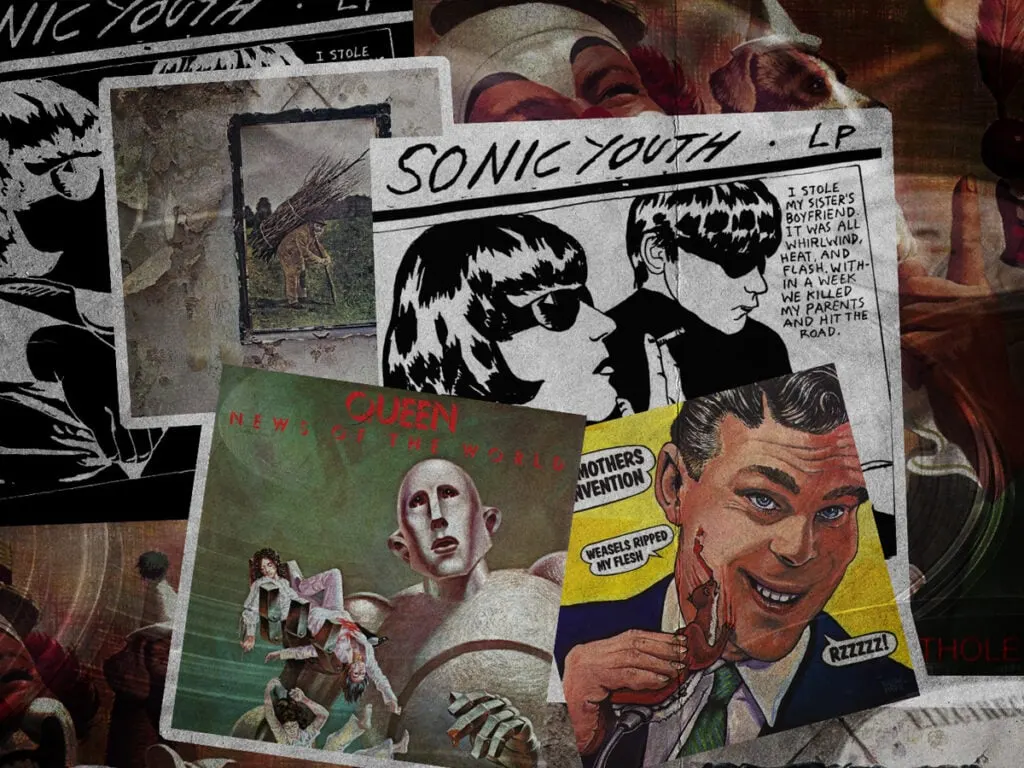
Far Out Magazine explores the surprising real-world sources behind five famous album covers, showing how musicians and artists often repurposed existing photographs, adverts and paintings rather than creating original imagery from scratch. The piece highlights how chance discoveries, dark historical events and vintage commercial art have shaped some of rock's most recognisable visuals.
– Sonic Youth's Goo (1990): the cover's mod couple was based on a 1966 press photo of Maureen Hindley and David Smith, witnesses in the Moors Murders case, after DGC rejected an earlier, more explicit design. – Frank Zappa's Weasels Ripped My Flesh (1970): artist Neon Park combined a 1956 Man's Life magazine cover of a man being attacked by weasels with a Schick razor advert to create the album's grinning imagery. – Butthole Surfers' Locust Abortion Technician (1987): the unsettling clowns-and-dog cover, titled Fido and the Clowns, was painted by commercial illustrator Arthur Sarnoff, though how the band obtained it remains unconfirmed.
In short
- Iconic album covers often began as repurposed, unrelated existing imagery.
- Sonic Youth's Goo cover was based on a Moors Murders press photo.
- Zappa's Weasels cover mixed a pulp magazine image with a razor advert.
Explained simply
Album covers can become familiar images in their own right, but their origins are often less straightforward than a commissioned design. Musicians and artists have drawn on photographs, magazine covers, adverts and paintings, sometimes changing their meaning in the process.
For Sonic Youth’s Goo, the mod couple came from a press photograph of Maureen Hindley and David Smith, witnesses in the Moors Murders case. Frank Zappa’s Weasels Ripped My Flesh drew on a magazine image of a man attacked by weasels and a razor advert, which artist Neon Park combined.
The clowns and dog on Butthole Surfers’ Locust Abortion Technician were painted by commercial illustrator Arthur Sarnoff, though it is not known how the band obtained the artwork. These examples show how chance finds, commercial art and difficult historical associations have contributed to some well-known record sleeves.
Americas Entertainment Music Offbeat Weird & Viral World