Deadly Black Sea attacks threaten grain exports and higher food prices
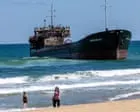
A summer of intensifying Russian and Ukrainian attacks on each other's ships and port infrastructure in the Black Sea has made it the world's most dangerous waters for commercial shipping, with more crew killed in July than throughout the rest of the war combined. The escalation is disrupting vital grain exports from both countries, fuelling fears that global food prices, particularly for wheat, barley and maize, will rise further and hit nations reliant on imports.
An estimated 23 people died in attacks on 35 ships in July alone, according to the Turkish seafarers' union, prompting the UN's International Maritime Organization to condemn the "deterioration of maritime security around the globe". Russia has struck Ukraine's Odesa and Chornomorsk export hubs, while Ukraine has hit Russian vessels and the port of Novorossiysk, including tankers from Moscow's sanctions-evading "shadow fleet"; one abandoned, drone-hit Russian ship even drifted hundreds of miles before running aground near Istanbul. Russia, the world's top grain exporter, saw exports fall to an estimated 40% of normal capacity in August after suspending Sea of Azov shipping, while Ukraine, despite a bumper harvest, has managed to export only about a third (1.4m tonnes) of its grain.
In short
- Black Sea attacks made it the deadliest waters for shipping this year
- 23 seafarers reportedly killed in July attacks on 35 vessels
- Russian and Ukrainian grain exports sharply disrupted, risking higher food prices
Explained simply
The Black Sea is a major route for grain shipped from Russia and Ukraine to buyers around the world. Russia is the largest grain exporter, while Ukraine also supplies wheat, barley and maize; both countries depend on ports around the sea to move those crops abroad.
The conflict has increasingly affected ships and port facilities used for trade. This matters because disruption can reduce the amount of grain reaching importing countries and push up prices, with the effects felt especially in places that rely heavily on imported food.
Business Culture Europe Food World