Technology news and discussion on TalkFuse.
Anthropic’s $2 trillion IPO puts powerful external trustees in spotlight
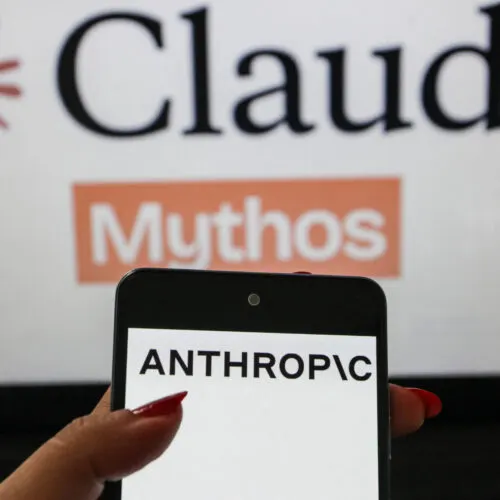
Anthropic's plans for a public listing that could value the AI company at up to $2 trillion are drawing scrutiny to its unusual governance model, in which an external Long-Term Benefit Trust (LTBT) holds no equity but controls the majority of the board. The trust was set up to protect Anthropic's mission of developing AI for humanity's long-term benefit as commercial pressures grow, and the company intends to keep the arrangement in place after going public, making it a test case for how AI firms balance profit motives against stated ethical commitments once subject to public-market accountability.
The LTBT can appoint or dismiss most Anthropic directors and has already chosen four of the company's seven board members, including Netflix co-founder Reed Hastings and Novartis chief executive Vas Narasimhan. It currently has three of a possible five trustees, chaired by Neil Buddy Shah of the Clinton Health Access Initiative, alongside former Federal Reserve chair Ben Bernanke and Richard Fontaine of the Center for a New American Security. Trustees receive advance notice of major decisions such as new model launches, meet weekly among themselves and regularly with Anthropic's leadership, and have weighed in on issues including the rollout of its Mythos cybersecurity model and a dispute with the US government over autonomous weapons; however, critics such as Harvard's Jesse Fried warn the structure creates a "built-in conflict" between investors and self-appointed trustees, and the trust has yet to be tested by a genuine clash between profit and mission.
In short
- Anthropic's external trust controls its board ahead of a $2 trillion IPO
- Trust has no equity but picks four of seven directors, including Ben Bernanke
- Experts say the profit-versus-mission structure remains untested and conflict-prone
Steelman: both sides, in good faith
The strongest fair case each way — we don't pick a winner.
The case for
Giving the Long-Term Benefit Trust board control could help Anthropic resist pressure to prioritise short-term returns over safety and its stated public-benefit mission. Supporters may see this as especially valuable for powerful AI, where decisions about releasing models or accepting government work could have consequences beyond the company and its shareholders.
The case against
A trust that controls most board appointments without owning equity may weaken accountability to investors who bear the financial risk, while leaving trustees with substantial power over decisions that affect them less directly. Critics may also question whether a small, self-appointed group can reliably judge the public interest, particularly when the model has not yet faced a direct conflict between commercial returns and its mission.
Explained simply
Anthropic is an artificial intelligence company that develops advanced computer models. Its Long-Term Benefit Trust is an outside body intended to keep the company focused on the long-term effects of AI as it grows and faces commercial pressures.
The trust owns no shares, but it can appoint or dismiss most of Anthropic’s directors. Its trustees receive advance notice of major decisions and discuss issues with company leaders; the board includes figures such as Netflix co-founder Reed Hastings and Novartis chief executive Vas Narasimhan.
The arrangement is unusual because trustees have influence over the company without being shareholders. Supporters see it as a way to protect Anthropic’s stated mission, while critics question how trustees’ authority would work if it conflicted with investors’ interests.
AI Business Companies Offbeat Technology Weird & Viral