Medieval manuscripts are “biological time capsules” for deadly sheeppox virus
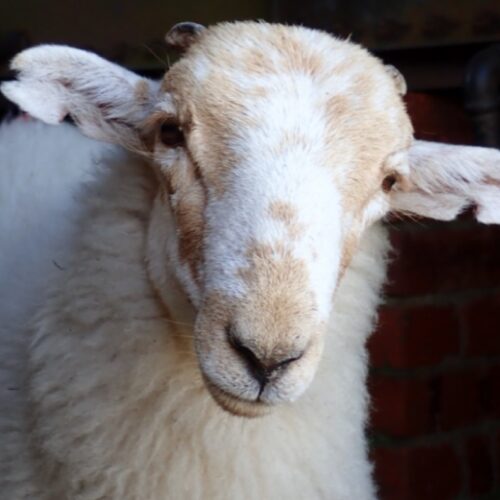
Researchers have discovered that sheeppox virus DNA survives in the parchment of medieval manuscripts, since parchment was traditionally made from animal skins, effectively turning old books into "biological time capsules" for tracking historic disease outbreaks. The findings, published in Science Advances, matter because they open up archives and libraries worldwide as a potential new source of genetic evidence about past animal diseases, complementing existing methods such as DNA analysis of ancient remains. Sheeppox is a highly contagious, often fatal disease that was largely eradicated from European flocks in the 20th century but still causes occasional outbreaks, including one in Greece last year.
Scientists led by Louis L'Hôte of University College Dublin sampled manuscripts from institutions including Yale, Cambridge, Trinity College and the Lambeth Palace Library, among them the 1,000-year-old York Gospels and the 15th-century Speculum Historiale, finding sheeppox DNA on multiple pages, indicating infected animals were often used to make parchment. They were surprised to also detect the virus on calfskin and goatskin parchment, suggesting cross-species infection or contamination during production. By comparing this medieval genetic material with DNA extracted from Bronze Age sheep teeth found in Russia and Kazakhstan, the team traced the virus's evolution back at least 3,500 years, showing it has affected Eurasian sheep herds since antiquity.
- Sheeppox virus DNA found preserved in medieval manuscript parchment
- Study traces the virus's history back 3,500 years
- Suggests libraries worldwide may hold genetic records of past animal diseases
New here? Start with this
Sheeppox is a highly contagious viral disease of sheep that once caused serious losses across Europe and Asia, until vaccination and control measures largely wiped it out in Europe during the 20th century. It has not disappeared entirely, however, and still crops up periodically, including a recent outbreak in Greece. Because the disease affects livestock rather than humans, its history has traditionally been pieced together through limited records and, more recently, DNA taken from animal remains.
Parchment, the writing material used for manuscripts before paper became common, was made from the skins of animals such as sheep, calves and goats. A research team led by Louis L'Hôte at University College Dublin has been examining old manuscripts held by major libraries, including Yale, Cambridge, Trinity College and the Lambeth Palace Library, to see what genetic material survives in that skin. Their work treats these centuries-old documents as an unexpected biological archive, offering scientists a new way to study diseases that affected animals in the past.
This matters because it suggests that libraries and archives around the world, quite apart from their historical and literary value, could hold genetic evidence useful to scientists studying the long-term evolution of animal diseases. The findings, published in the journal Science Advances, add manuscripts to the existing toolkit of methods, such as analysing ancient bones and teeth, used to trace how diseases have moved through animal populations over thousands of years.