Sport news and discussion on TalkFuse.
Cathy Engelbert will be remembered as the commissioner who made the WNBA deeply political and divisive
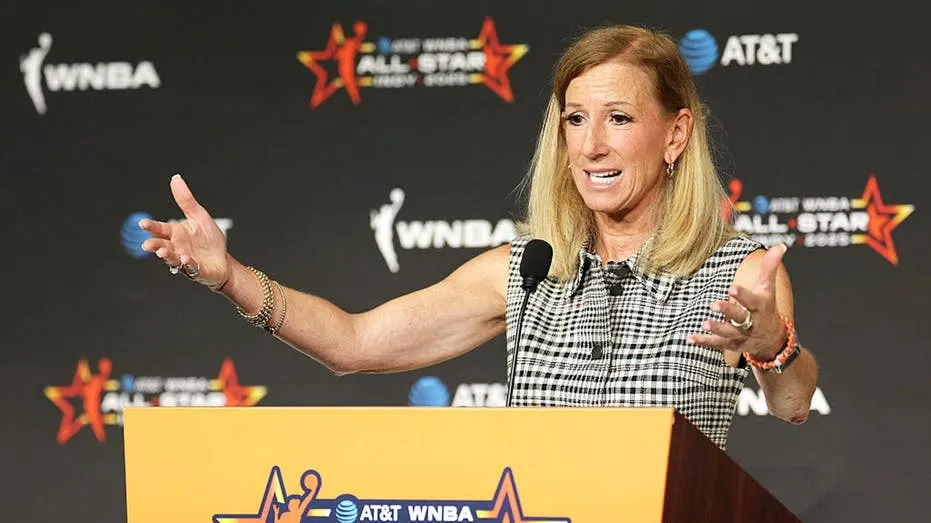
WNBA Commissioner Cathy Engelbert announced she will retire after the 2026 season, ending seven years leading the league. This opinion piece from Outkick argues that while the WNBA grew substantially under her tenure—expanding, securing major media deals and improving player compensation—her leadership was also marked by persistent controversy and division, particularly around the league's embrace of political and social-justice messaging.
The article cites several flashpoints, including the 2020 "Wubble" season during which players wore social-justice slogans and the league became closely associated with left-wing activism, the Dearica Hamby pregnancy-discrimination controversy involving the Las Vegas Aces, and ongoing disputes over player travel conditions. The author contends these episodes damaged relationships with players and fans even as revenue and visibility increased, and credits NBA Commissioner Adam Silver's praise of her tenure while disputing whether it reflects the full picture.
In short
- Cathy Engelbert to retire as WNBA commissioner after 2026 season
- League grew financially but faced repeated political controversies
- Article cites the 2020 "Wubble," Hamby case and travel disputes
Steelman: both sides, in good faith
The strongest fair case each way — we don't pick a winner.
The case for
Engelbert’s leadership can be defended as a period when the WNBA grew its audience, won stronger media deals and improved player compensation, while giving players room to speak about issues they considered important. The league’s social-justice messaging reflected players’ convictions and the wider moment in which it was adopted; controversy around that visibility does not by itself show that it harmed the league. Disputes over player treatment and travel conditions are serious, but can be seen as challenges to address alongside substantial institutional progress.
The case against
A critic can argue that the league’s close association with political messaging made it harder to welcome fans who did not share that outlook, deepening divisions around a sport that needed broad support. The pregnancy-discrimination controversy and complaints about travel conditions also raised questions about whether growth and public messaging were matched by adequate care for players. On this view, commercial gains and praise from NBA leadership do not settle whether Engelbert’s tenure damaged trust among players or fans.
Explained simply
The Women’s National Basketball Association (WNBA) is the top professional women’s basketball league in the United States. Its commissioner oversees the league, while its teams and players also negotiate over pay, working conditions and how the sport is presented to the public.
Cathy Engelbert became commissioner in 2019, during a period when the WNBA gained more viewers and attention. In 2020, players used the season played in a restricted environment, known as the “Wubble”, to highlight social-justice causes; the league’s public support for those messages became a point of debate.
Other disputes have concerned player welfare, including a pregnancy-discrimination case brought by Dearica Hamby against the Las Vegas Aces, and the conditions of team travel. These issues matter because the league’s growth has been accompanied by questions about how it treats players and how its public identity affects its relationship with fans.