DOJ ordered to freeze antitrust work with Canada as trade tensions intensify
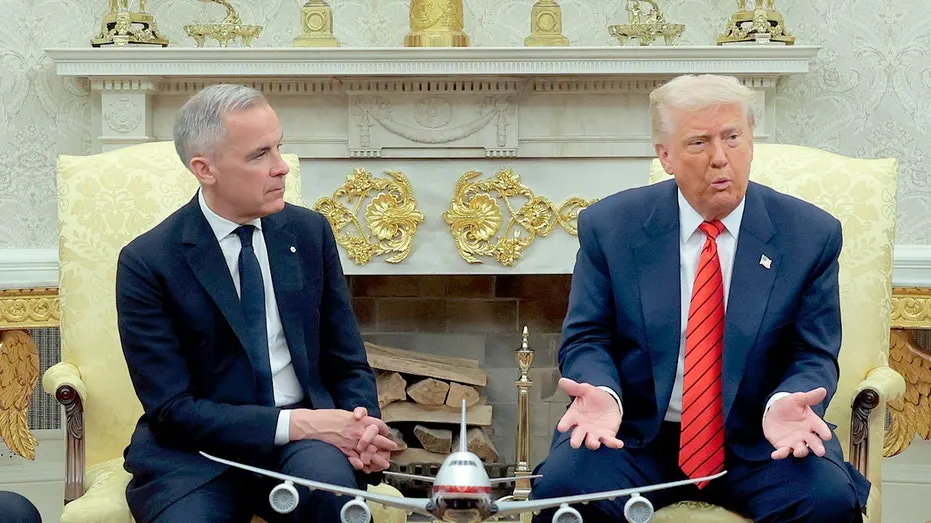
The US Department of Justice's antitrust division was reportedly told this week to suspend all cooperation with Canadian authorities, as trade tensions between the two countries escalate. According to internal emails seen by The Wall Street Journal, the division's international section chief, Lynda Marshall, ordered staff on Wednesday to halt joint casework and policy engagement with Canada, giving no reason for the move. The DOJ has denied the report, saying no such blanket directive was issued and that officials were merely asked to postpone one meeting on a specific investigation.
The reported freeze follows a further instruction on Friday for section chiefs to compile lists of all areas of cooperation with Canada. It comes amid worsening relations between the two allies since President Donald Trump returned to office in January 2025, marked by a trade war, new US tariffs of 50% on around $20 billion of Canadian goods, and Trump's order renaming Lake Ontario "Lake America" for federal purposes. Canada's Prime Minister Mark Carney has said Ottawa will impose matching retaliatory tariffs from 8 September to protect Canadian workers and businesses.
In short
- DOJ reportedly told to halt antitrust cooperation with Canada amid trade row
- DOJ denies a full freeze, says only one meeting was delayed
- Canada to impose retaliatory tariffs from 8 September over US 50% tariffs
Steelman: both sides, in good faith
The strongest fair case each way — we don't pick a winner.
The case for
Supporters of the freeze argue that a government has every right to calibrate the scope of international cooperation according to the overall state of a bilateral relationship, and that antitrust liaison work is a discretionary courtesy rather than a legal obligation. With Canada preparing matching retaliatory tariffs and the wider trading relationship under severe strain, they see it as reasonable for Washington to pause lower-stakes cooperative work while it reassesses priorities, using such a step as a proportionate, reversible signal rather than an escalation. They would also note that resources devoted to joint casework can instead be directed toward matters more clearly aligned with immediate domestic economic interests.
The case against
Critics contend that antitrust enforcement exists to protect competition and consumers, and that its credibility depends on being insulated from unrelated diplomatic and trade disputes. They would argue that halting cooperation on live investigations risks letting anticompetitive conduct affecting ordinary consumers and businesses go unchecked, potentially harming the same domestic firms tariffs are meant to protect. They may also warn that the close working relationships between allied competition authorities take years to build and are valuable regardless of the political weather, so severing them abruptly, especially without a stated reason, risks lasting institutional damage that will be hard to repair once trade tensions eventually ease.
Explained simply
The Department of Justice (DOJ) is a US government department whose antitrust division enforces laws against practices that restrict competition, such as companies agreeing to fix prices. It sometimes works with competition authorities in other countries when business activity or investigations cross borders.
The United States and Canada have long co-operated on trade and law enforcement, but their relationship has come under strain over tariffs and other disputes. The two countries are major trading partners, so changes in how their officials work together could affect investigations involving businesses that operate on both sides of the border.