Onimusha: Way of the Sword Offers Cosmetic Customisation, Puzzle-Solving, and Extensive Optional Content
Developing story first seen 2 hours ago
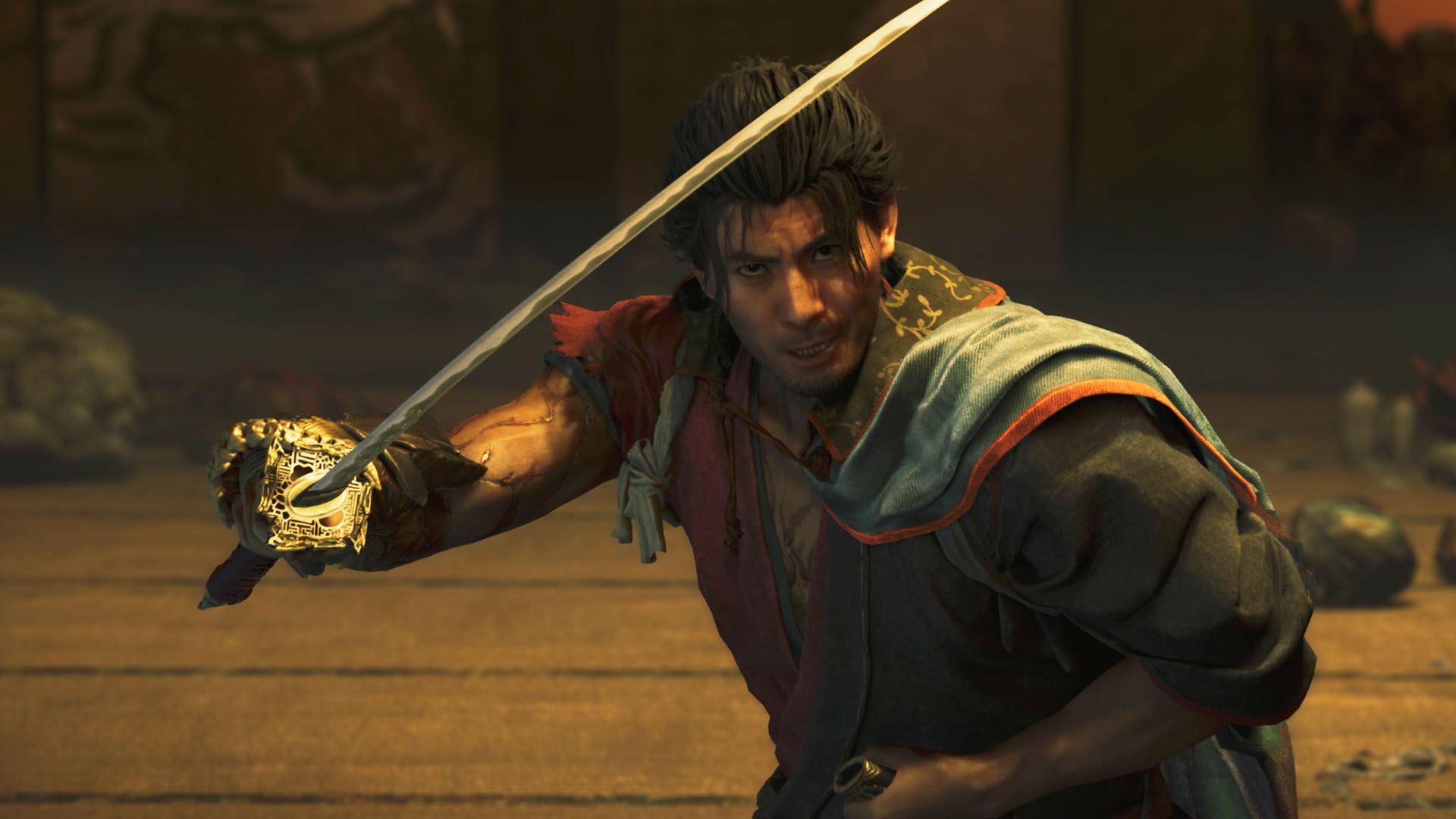
This developing guide to Onimusha: Way of the Sword has been updated with detailed walkthrough information for its "Hidden Treasure" side quest chain, expanding on the previously reported overview of the game's cosmetic customisation and optional content. The new coverage focuses specifically on how players locate and unlock a series of treasure chests scattered across the game's Kyoto setting, which become available once the "To Live is to Suffer" main quest milestone is reached. This matters for players seeking to fully explore the game's optional content, as the chests are tied to cryptic "Old Drawing" clues rather than straightforward map markers.
Each Hidden Treasure quest is triggered by speaking to a specific non-player character, who then hands over an "Old Drawing" containing visual and textual hints—such as landmarks, pagodas or phrases like "where the Buddhas overlook the flow"—that players must interpret to pinpoint a chest's real-world location. The guide details at least five such quests, describing navigation routes from named Spirit Mirror waypoints (including Kiyomizu-zaka Slope, Yasaka Pagoda and Gojo Street) and noting that players must use Musashi's gauntlet to reveal each chest once found. The article carries a spoiler warning for readers.
- New guide details Onimusha's Hidden Treasure side quest locations and clues
- Chests unlock via cryptic "Old Drawing" hints after a key story point
- Players use Musashi's gauntlet and named waypoints to find each treasure
New here? Start with this
Onimusha: Way of the Sword is the latest instalment in Capcom's long-running Onimusha series of action games, which blend sword combat with historical Japanese settings and supernatural enemies. This new game follows a protagonist named Musashi and is set in and around Kyoto, taking players through story missions interspersed with exploration of the wider city.
Beyond the core story, the game is built around giving players extra things to do and ways to personalise their experience. This includes cosmetic options that change how Musashi's sword looks without affecting how it performs in battle, environmental puzzles that must be solved to progress through certain areas, and side activities such as hunting airborne enemies at specific locations. There are also hidden collectibles scattered around the game's version of Kyoto that unlock further optional missions as players advance.
This matters to fans of the series and action-adventure games more broadly because it signals how much content the developers have packed in beyond the central narrative, which is often a key factor in how a game is received and how long players stay engaged with it.
Coverage
- Polygon — All swords and how to unlock them in Onimusha Way of the Sword
- Polygon — How to solve the mask puzzle in Onimusha Way of the Sword
- Polygon — ‘Ace Archer Nijo-jo Castle’ walkthrough in Onimusha Way of the Sword
- Polygon — ‘Ace Archer Kyoto Imperial Palace’ walkthrough in Onimusha Way of the Sword
- Polygon — All hidden treasure locations in Onimusha Way of the Sword