Russia’s shadow war is putting Europe on edge as Germany confronts a growing threat
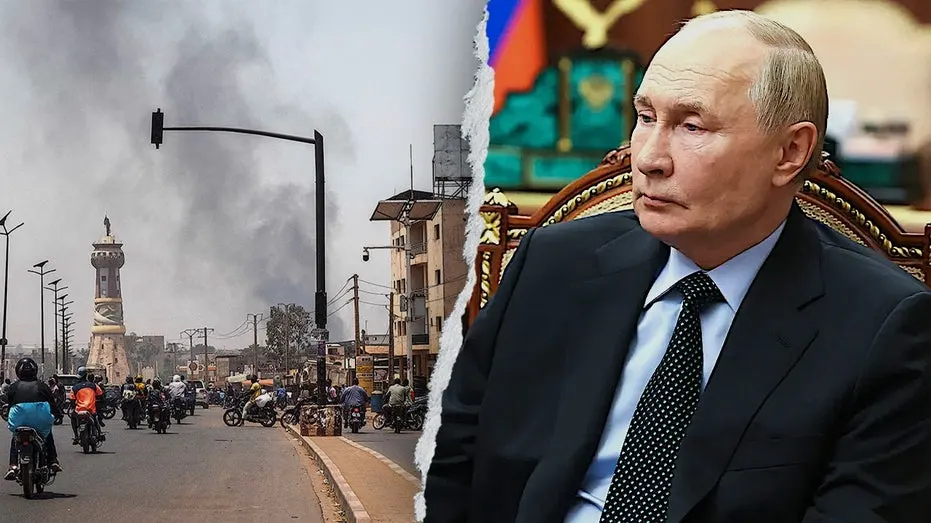
Germany is proposing a rapid-response task force with Baltic Sea partners after formally accusing Russia of orchestrating an explosives-laden drone attack on Leipzig/Halle Airport in August, part of what German officials describe as an escalating campaign of Russian hybrid warfare. The claim, and Berlin's retaliatory measures against Russian diplomatic and cultural facilities, mark a significant hardening of Germany's stance and add to growing concern among European allies about coordinated sabotage, cyberattacks and disinformation operations attributed to Moscow.
Interior Minister Alexander Dobrindt outlined the task force plan after an 28 August meeting in Flensburg, aiming to let Baltic states quickly share information on threats such as drones, sabotage and cyberattacks. Germany's attribution of the 4 August airport plot, though based on undisclosed evidence, prompted the closure of Russia's consulate in Bonn, the end of the Russian House cultural centre's arrangement in Berlin, tighter entry controls for Russian nationals and pressure on Russia's "shadow fleet"; Latvia called the incident "state-sponsored terrorism," while Russia denied involvement, calling the accusations fabricated. The row coincides with a separate German police investigation into suspected sabotage of electricity infrastructure, including an incident in Bergheim that temporarily disrupted around 4,200 megawatts of lignite-fired power generation capacity.
In short
- Germany accuses Russia of an explosives drone plot at Leipzig airport.
- Berlin proposes Baltic task force to counter Russian hybrid threats.
- Germany expels Russian consulate, cultural centre amid rising tensions.
Steelman: both sides, in good faith
The strongest fair case each way — we don't pick a winner.
The case for
Advocates of Germany's hardened stance argue that a pattern of drone incursions, infrastructure sabotage and cyberattacks across Europe cannot be waved away as coincidence, and that intelligence services legitimately cannot always publish sensitive sources without compromising future detection capability. On this view, deterrence requires visible costs: closing consular and cultural facilities, tightening entry rules and building a Baltic rapid-response task force signal to Moscow that hybrid aggression will be met with coordinated resistance rather than passivity. Proponents see this as prudent solidarity with frontline states like Latvia, protecting critical infrastructure and public safety before an incident causes loss of life, and argue that waiting for perfect public proof would leave Europe perpetually one step behind an adversary that operates deliberately below the threshold of open conflict.
The case against
Sceptics of the rapid escalation argue that accusations of this gravity, which carry serious diplomatic and social consequences, ought to rest on evidence that can withstand independent and public scrutiny rather than assertions officials say cannot be disclosed. They point to history's cautionary tales of intelligence misattribution and worry that closing consulates, ending cultural arrangements and restricting ordinary Russian nationals' entry punishes broad diplomatic and civic ties for the suspected actions of state agents, potentially harming innocent people while foreclosing channels useful for de-escalation. This perspective values measured verification and proportionality, cautioning that a securitised, fast-moving response risks inflaming public suspicion, entrenching a cycle of retaliation, and being exploited politically before investigations into complex, ambiguous incidents such as infrastructure sabotage have run their course.
Explained simply
Germany has formally blamed Russia for a drone attack involving explosives at Leipzig/Halle Airport in August, and is now proposing a rapid-response task force with countries around the Baltic Sea to share information on similar threats. This comes amid a broader pattern of incidents across Europe—drones near airports, damage to undersea cables, cyberattacks and disinformation—that officials in several countries describe as a coordinated Russian campaign of "hybrid warfare," meaning actions that fall short of open military conflict but are designed to disrupt and intimidate.
The key figures involved are Germany's Interior Minister, Alexander Dobrindt, who is leading the task force proposal, and the Russian state, which denies any involvement and says the accusations are fabricated. In response to the airport incident, Germany has already taken retaliatory steps, including closing a Russian consulate in Bonn, ending arrangements for a Russian cultural centre in Berlin, and tightening entry rules for Russian nationals.
This matters because it signals a hardening in how Germany and its neighbours are treating suspected Russian sabotage, moving from quiet concern toward public accusations and coordinated countermeasures. It also reflects wider anxiety across Europe, heightened since Russia's invasion of Ukraine, about attacks on infrastructure such as power supplies and transport hubs, and about how Western governments should respond to threats that are hard to prove conclusively but are increasingly hard to ignore.