World news and discussion on TalkFuse.
Arizona voter-law fight reaches SCOTUS as election groups warn ‘absurd’ consequence could ensue
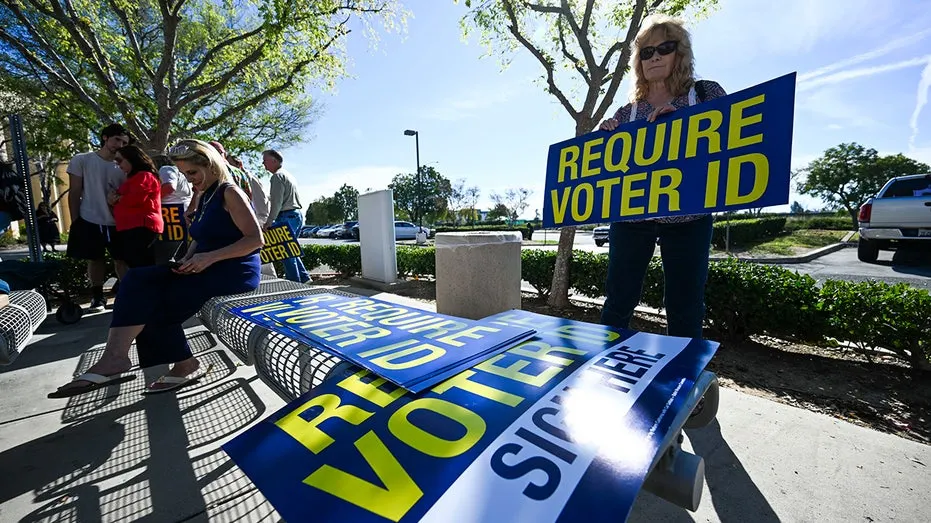
The US Supreme Court is preparing to hear oral arguments in December in RNC v. Mi Familia Vote, a case that will decide whether two Arizona voter-registration laws breach the federal National Voter Registration Act. The laws require proof of US citizenship at registration and allow removal of noncitizen registrations from electoral rolls within 90 days of an election; a lower appeals court found they amounted to voter suppression, a ruling election-integrity groups are now urging the justices to overturn, warning it could leave states powerless to correct faulty registrations.
In an amicus brief filed on Thursday, the Center for Election Confidence, Restoring Integrity and Trust in Elections, and the Honest Elections Project argued that the Ninth Circuit's interpretation of the National Voter Registration Act's 90-day pre-election restriction on systematic roll purges wrongly extends to bar removal of noncitizens, since non-citizenship is not among the law's listed exceptions covering death, conviction or mental incapacity. They said this could make it "absurd" and effectively impossible to remove ineligible voters, including noncitizens, minors or fictitious entries, once registered, and cited reported registration errors in New Jersey, Illinois and Oregon as evidence states need such a mechanism. Groups such as Restoring Integrity and Trust in Elections and the Center for Election Confidence say they expect the Supreme Court to side with Arizona and reverse the lower court's decision.
In short
- Supreme Court to hear Arizona voter-roll case in December
- Groups warn ruling could block removal of noncitizen registrations
- Case centres on National Voter Registration Act's 90-day rule
Steelman: both sides, in good faith
The strongest fair case each way — we don't pick a winner.
The case for
Arizona and its supporters argue that states need to correct voter rolls when registrations are shown to be ineligible, including registrations by noncitizens. They contend the NVRA’s 90-day restriction should not prevent those corrections, and that interpreting it so broadly could leave states unable to address faulty entries close to an election, weakening confidence in election administration.
The case against
Opponents argue that Congress set a 90-day limit on systematic voter-roll removals, with specific exceptions, to protect eligible voters from being wrongly removed just before an election. They contend that Arizona’s citizenship-proof and removal rules risk bypassing those safeguards and could burden eligible citizens who have difficulty documenting their status, amounting to voter suppression.
Explained simply
The National Voter Registration Act is a US federal law that sets rules for registering voters and maintaining electoral rolls. It limits systematic removals of voters from the rolls during the 90 days before a federal election, with exceptions including when a voter has died or been convicted of a crime.
Arizona has laws requiring proof of US citizenship to register and allowing officials to remove registrations they identify as belonging to non-citizens. The case pits Arizona’s rules against the federal law, and asks how far its limits on removing registrations apply.
The Supreme Court will consider the case after a lower court ruled against Arizona’s approach. Election groups supporting the state say the rules are needed to correct inaccurate registrations; the outcome could affect how Arizona and other states maintain their voter rolls.
Americas Elections Politics World