Entertainment news and discussion on TalkFuse.
Is the Steam Deck still worth it in 2026?
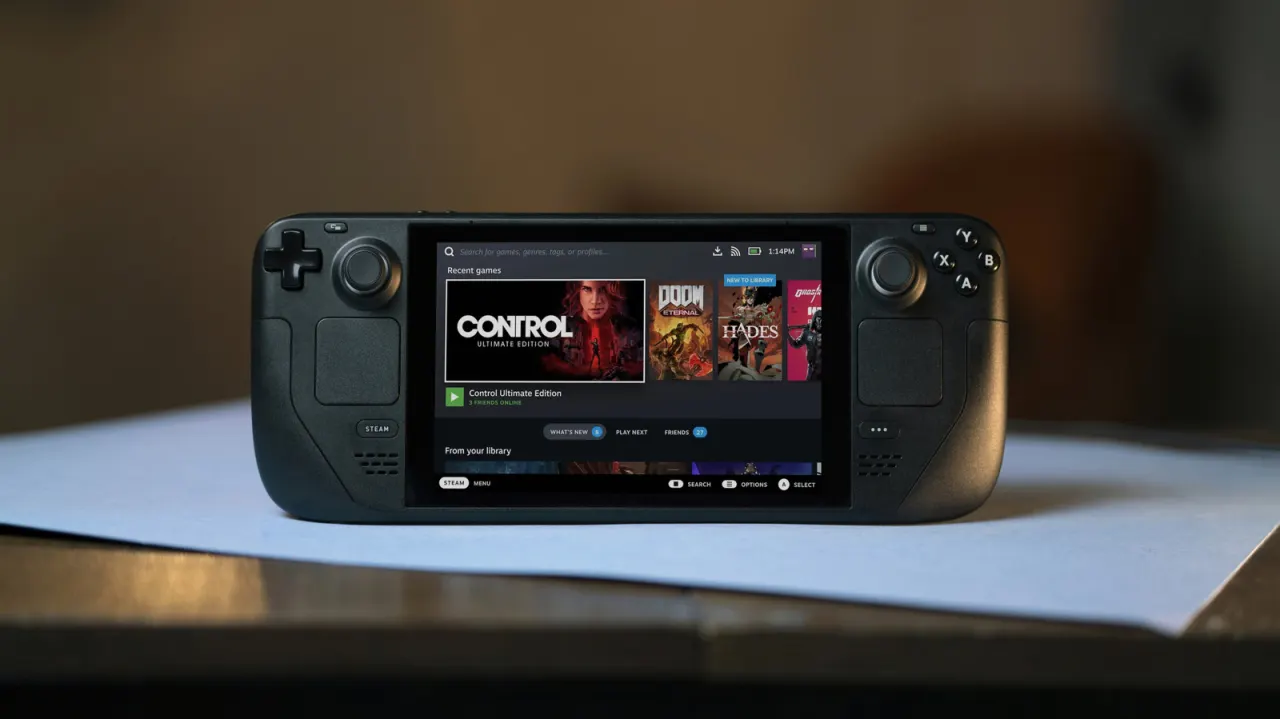
The Steam Deck, once the dominant gaming handheld, now faces a tougher choice for buyers in 2026 after a $300 price rise driven by the ongoing "RAMageddon" memory shortage caused by AI firms' data-centre demands. Competition has also intensified since its February 2022 launch, with newer handhelds generally offering stronger raw performance, meaning the decision to buy now hinges more heavily on what games someone plays and how much they value battery life and price over raw power.
Engadget's review found that the Asus ROG Xbox Ally and Ally X, along with Lenovo's Legion Go line, mostly beat the Steam Deck OLED on benchmark scores such as 3DMark Time Spy, though real-world frame-rate differences can be marginal. The Xbox Ally suits Xbox-focused gamers but runs a criticised Windows OS, while some Legion Go models use SteamOS and offer detachable controllers for docked play. The Nintendo Switch 2, despite its own price rise from $450 to $500 in September 2026, remains cheaper than its rivals and uniquely supports Nvidia's DLSS, while the Steam Deck still tends to outlast competitors on battery life at full performance and remains a solid pick for those focused on Steam's library rather than cutting-edge graphics.
In short
- Steam Deck price has risen $300 amid an industry-wide RAM shortage
- Rivals like Xbox Ally and Legion Go offer better raw performance
- Steam Deck still wins on battery life and value for casual gamers
Steelman: both sides, in good faith
The strongest fair case each way — we don't pick a winner.
The case for
The Steam Deck can still be worth buying for players whose games are on Steam and who value battery life, a mature library and a more affordable entry point than many rival PC handhelds. Its rivals’ benchmark leads may matter little when real-world frame-rate differences are small, while stronger battery life can make the Deck more practical for playing away from a charger.
The case against
The price rise makes the Steam Deck harder to recommend when newer handhelds often deliver better performance and, in some cases, features such as detachable controllers or SteamOS. Buyers who want demanding games to look and run their best, or prefer Xbox and Nintendo ecosystems, may get more value from a rival device despite its drawbacks, including Windows usability or a higher price.
Explained simply
The Steam Deck is a portable gaming computer made by Valve, the company behind the Steam games store. It lets people play many PC games from Steam without sitting at a desk, and first went on sale in 2022. Its OLED model has a screen designed to show brighter colours and deeper blacks.
Other companies now sell handheld gaming PCs, including Asus’s ROG Xbox Ally and Lenovo’s Legion Go. They can run some games faster, but performance varies by game, and the Windows software on some models can be less straightforward to use. Nintendo’s Switch 2 is a separate console with its own games, rather than a general PC games library.
Choosing between them depends on which games someone wants to play and what they value in a handheld. The Steam Deck’s access to Steam’s large library and its battery life are part of the comparison, alongside rivals’ stronger graphics performance, screens and controls.