Travellers to EU face renewed queues as border-check flexibility rules expire
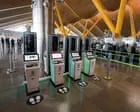
The temporary flexibility allowing EU member states to pause biometric border checks under the bloc's new Entry/Exit System (EES) officially expired on 6 September, raising fears of renewed queues at airports and other crossing points, though several countries are reportedly continuing to relax enforcement informally. Airlines and travel bodies had urged the European Commission to extend discretionary powers until the end of 2026, warning that strict enforcement risks a repeat of the lengthy delays seen at some European airports earlier in the summer, which caused passengers to miss flights.
Despite Brussels declining to formally extend the flexibility period, cross-Channel travel to France is expected to remain unchanged next week due to unresolved technical problems with the French-commissioned EES software, meaning fingerprinting kiosks at Eurotunnel, Dover and Eurostar's London St Pancras terminal remain non-operational. Border officials in destinations such as Greece have reportedly been unofficially exempting UK passengers from checks to avoid congestion, a practice expected to continue. Industry bodies including Abta and Iata continue to press for a formal extension, with Iata's Thomas Reynaert warning that system failures damage Europe's reputation and erode passenger trust, while the European Commission says it is working with the small number of member states needing "operational adjustment".
In short
- EU border-check flexibility deadline passed on 6 September
- Some states, including France and Greece, still not fully enforcing checks
- Airlines and travel bodies want the pause extended into 2026
Steelman: both sides, in good faith
The strongest fair case each way — we don't pick a winner.
The case for
Advocates of moving ahead with full enforcement argue that the Entry/Exit System was long-planned and repeatedly delayed, and that further extensions simply postpone the disruption rather than prevent it. They contend that biometric checks are a proportionate and necessary upgrade to border security, replacing manual passport stamping with a system that tracks overstayers and strengthens the integrity of the Schengen area. On this view, member states have had ample warning to prepare their infrastructure, and continuing to grant blanket exemptions risks entrenching a two-tier system where enforcement depends on which country a traveller happens to cross into, undermining the very consistency the EES was designed to deliver.
The case against
Those pressing for continued flexibility argue that rigid enforcement of an unready system serves no one, since technical failures such as the unresolved French software problems mean fingerprinting kiosks are simply not functional at key crossing points regardless of the rules on paper. They point to the chaotic queues and missed flights seen earlier in the summer as evidence that forcing the system live before it works reliably harms ordinary travellers and damages Europe's reputation as a destination, without any corresponding security benefit. On this view, a pragmatic phased rollout, allowing member states more time to fix genuine operational problems, is a more responsible way to protect both passengers and the long-term credibility of the scheme than insisting on a deadline the infrastructure cannot yet support.
Explained simply
The EU’s Entry/Exit System is a new process for recording when visitors from outside the bloc enter and leave. It is due to use fingerprints and facial images alongside passport details, including for many British travellers on short visits.
The European Commission sets the system’s rules, while national border authorities carry out checks at airports, ports and other crossings. Airlines and travel organisations such as Abta and Iata have raised concerns about delays as countries introduce the system.
Queues matter because border checks can affect whether passengers reach their flights or onward transport on time. The system also requires working equipment and procedures at busy crossing points, which can be challenging to put in place across different countries.
Americas Business Culture Europe Travel World