Farmed salmon may not be as nutritious as it once was, new research suggests
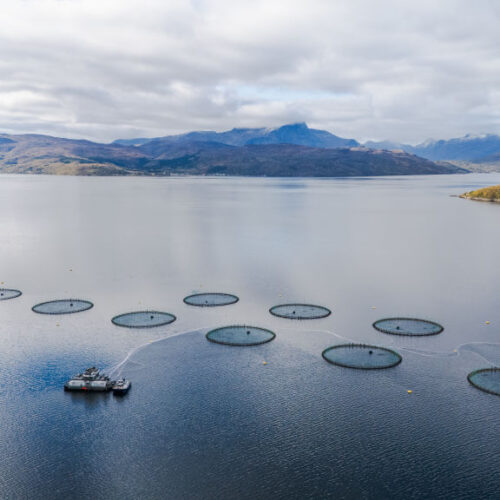
New research led by scientists at the US Department of Agriculture suggests that farmed salmon, which now accounts for nearly 70% of global salmon consumption, contains significantly lower levels of Omega-3 fatty acids than it once did. This matters because official dietary guidance in the US, including from the USDA and the American Heart Association, still recommends salmon specifically for its "heart-healthy" Omega-3 content, meaning consumers may be relying on outdated advice about the nutritional value of the fish they eat.
The decline is attributed to a shift in farmed salmon's diet, away from smaller wild fish species (which were being over-exploited) towards land-based crops and oils such as soy and canola, a trend also flagged by a 2016 study. The study's authors caution their sample was too small to warrant an immediate change to official guidelines, calling instead for broader research, while the USDA declined to comment. The shift also carries environmental costs: farmed salmon production tripled between 2000 and 2020, and roughly half of the world's soy is grown in South America, where forest clearance for feed crops has, according to one researcher, destroyed an area of land comparable in size to Nicaragua or Bangladesh.
- Farmed salmon's Omega-3 levels have dropped, new USDA-led research finds
- Feed shifted from wild fish to soy and canola crops
- Soy farming for feed has driven major deforestation in South America
Americas Business Climate Environment Fitness Health Markets Science World