Why are iPhones more expensive than iPads?
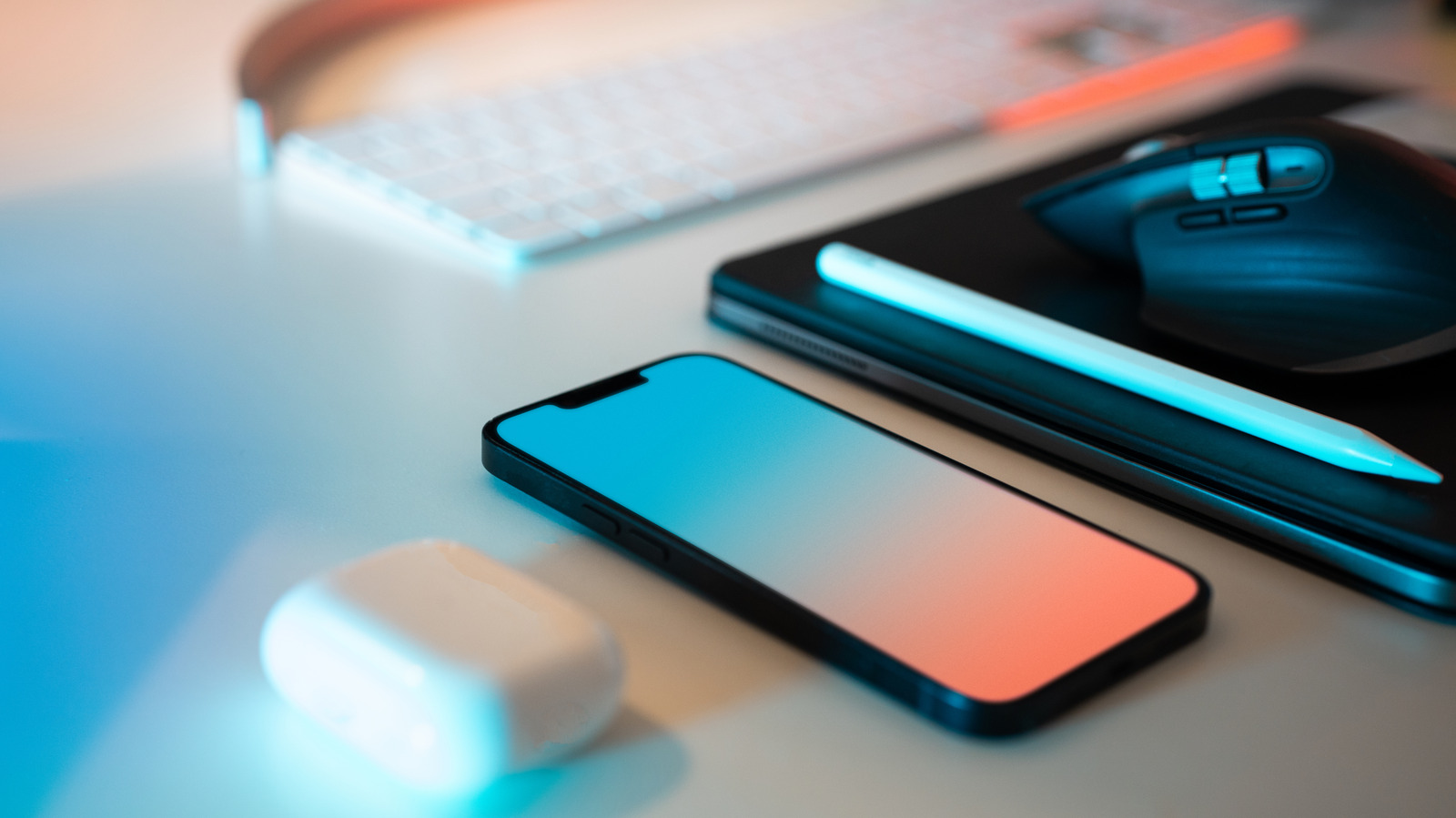
The lowest-cost iPhone ($599) is notably pricier than the cheapest iPad ($449), which seems counterintuitive given that larger devices, such as TVs and laptops, usually cost more than smaller ones. Engadget explains that this pricing gap comes down to engineering complexity, component quality and how each device fits into people's lives rather than simple size, and it matters because it explains why Apple's product line-up doesn't follow the "bigger costs more" rule that applies elsewhere in consumer tech.
Packing all the necessary hardware into a phone's compact frame requires far more intricate engineering than fitting similar components into a roomier tablet, and iPhones also include costlier parts, such as cellular radios, superior 48-megapixel cameras versus the iPad's 12-megapixel sensor, OLED and ProMotion screens, and newer chips, features often absent or downgraded on entry-level iPads. Crucially, phones are considered near-essential everyday devices, whereas tablets are typically secondary gadgets, giving Apple a commercial incentive to keep iPad prices low to draw new customers into buying its services and to compete with cheaper Chromebooks, particularly in education.
- Cheapest iPhone costs $599, more than the $449 base iPad
- Compact iPhone design and premium components drive up manufacturing costs
- Apple prices iPads low to widen its ecosystem and compete with Chromebooks