World news and discussion on TalkFuse.
Watchfield 1975: The only free festival sponsored by the British state
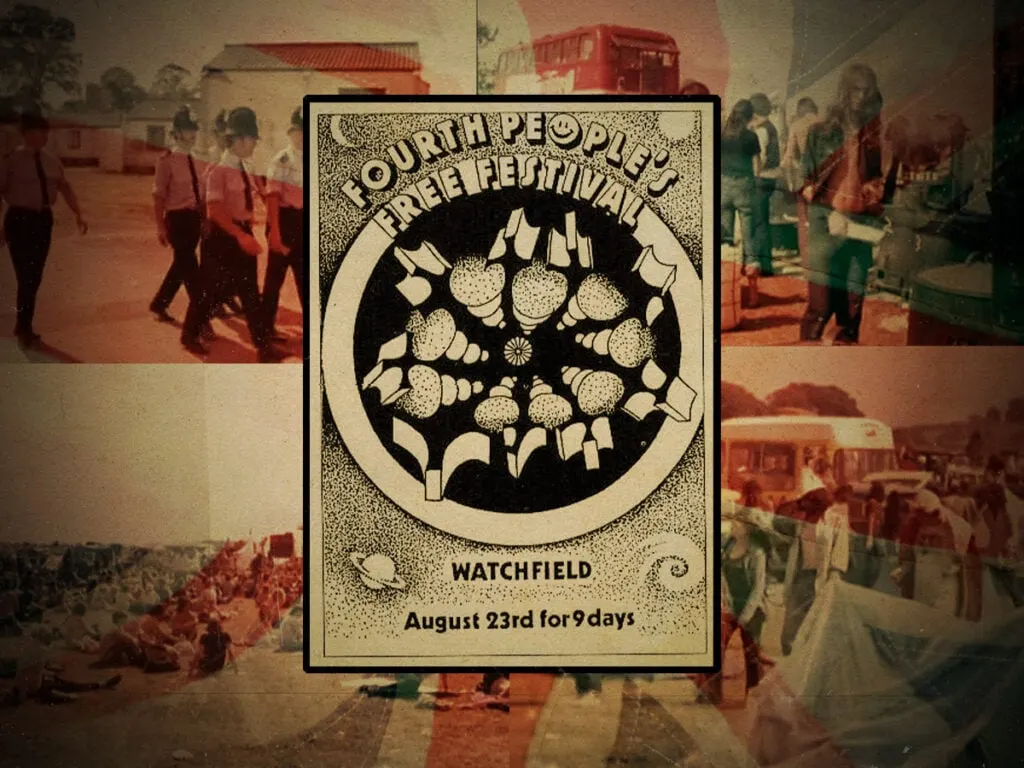
In August 1975, the Oxfordshire village of Watchfield hosted the only free festival ever officially sponsored by the British state, marking an unusual moment of cooperation between the Labour government and the era's countercultural movement. The event came about after the 1974 Windsor Free Festival ended in a heavy-handed police crackdown, prompting Home Secretary Roy Jenkins to offer the disused RAF Watchfield airfield as a legal alternative site to avoid further clashes with festival-goers and protect royal land at Windsor.
Around 20,000 people attended the People's Free Festival at Watchfield from 23 to 31 August 1975, with performances from acts including Hawkwind, Gong and an early incarnation of The Stranglers. Harold Wilson's government ceded Ministry of Defence land, provided water, sanitation and even on-site benefits offices, while police kept a low profile and largely tolerated open drug use. The festival passed off relatively smoothly but drew criticism from the conservative press, with the Daily Express condemning the use of public money to support what it called a "curious band of zealots, cranks, and academic apologists".
In short
- Watchfield 1975 was the only UK free festival officially state-sponsored.
- It followed a violent 1974 police crackdown on the Windsor Free Festival.
- Around 20,000 attended; government provided land, water and welfare services.
Steelman: both sides, in good faith
The strongest fair case each way — we don't pick a winner.
The case for
Offering a legal site and basic services was a pragmatic way to prevent a repeat of the confrontations at Windsor, while protecting public safety and royal land. It also recognised that people could gather and make music without being treated as a threat, and showed that government resources could support an orderly event attended by thousands.
The case against
Using Ministry of Defence land and public services for a countercultural festival could be seen as an unjustified use of taxpayers’ money for a particular movement’s benefit. Critics could also argue that official support risked appearing to endorse the festival’s culture and drug use, and that scarce public resources should have gone to more broadly shared needs.
Explained simply
Free festivals were large gatherings where people could camp and hear live music without paying for entry. By the mid-1970s, they had become part of Britain’s countercultural scene, but events held without official permission could lead to confrontations with police.
The Windsor Free Festival in 1974 ended in a major police operation, raising concerns about further clashes and the use of royal land. Home Secretary Roy Jenkins offered a disused airfield at Watchfield as a legal alternative.
The 1975 gathering brought festival-goers, musicians and government officials together on Ministry of Defence land. Its public support made it an unusual example of the state providing facilities for a countercultural event, and prompted debate over how public money should be used.
Americas Entertainment Music UK World