Russia claims Germany ‘wants war again’ after being blamed for drone bombs attack on airport
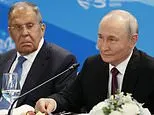
Russia's foreign minister Sergei Lavrov has accused Germany of "wanting war again", after Berlin blamed Moscow for a drone attack on Leipzig airport last month and the two countries responded by shutting down each other's cultural centres. The row escalates tensions between Germany and Russia at a sensitive moment, coming as US negotiators hold peace talks with Ukraine's president Volodymyr Zelensky in Kyiv and amid a wider pattern of drone and sabotage incidents linked to the Ukraine conflict.
German police found a drone near a Ukrainian cargo plane at Leipzig airport on 4 August, prompting a bomb disposal response and grounded flights; Germany accused "low-level agents" of a Russian "hybrid attack". Lavrov invoked comparisons to the Second World War and accused chancellor Friedrich Merz of "declaring war" through plans to build up German military strength. The dispute follows Vladimir Putin's warning that Russia must be "prepared for anything" amid Ukrainian drone strikes on oil refineries, and comes despite Russia and Ukraine agreeing a 72-hour ceasefire as US officials Steve Witkoff and Jared Kushner met Putin in Moscow and then travelled to Kyiv; separately, a German power plant near Brandenburg was reportedly targeted with homemade explosive rockets.
In short
- Lavrov accuses Germany of "wanting war again" amid drone attack row
- Germany blamed Russia for Leipzig airport drone incident on 4 August
- Both closed cultural centres; US-brokered peace talks continue in Kyiv
Steelman: both sides, in good faith
The strongest fair case each way — we don't pick a winner.
The case for
Germany’s case for attributing the airport incident to Russia is that the drone was found near a Ukrainian aircraft, and the wider pattern of drone and sabotage incidents linked to the conflict warrants serious scrutiny. Berlin can argue that strengthening its defences and responding diplomatically are prudent measures to protect public safety and deter further interference.
The case against
Russia’s strongest case is that the report describes a drone discovery but provides no public evidence establishing who sent it, so Germany’s attribution may be premature. Moscow can also argue that describing its actions as hostile while expanding German military strength deepens mistrust, and that cultural closures and war rhetoric risk escalating tensions when diplomacy and a ceasefire are under way.
Explained simply
Germany and Russia have a long history of conflict, including the Second World War, when Nazi Germany invaded the Soviet Union. Since Russia’s full-scale invasion of Ukraine in 2022, Germany has supported Ukraine and increased its defence spending, while relations with Moscow have deteriorated.
Sergei Lavrov is Russia’s foreign minister, and Friedrich Merz is Germany’s chancellor. The two governments have also accused each other of hostile activity, including sabotage and attacks involving drones; such actions are sometimes described as “hybrid” because they can combine covert operations with political pressure.
The dispute matters because Germany is a major supporter of Ukraine and an important European power, while Russia remains at war with Ukraine. Tensions between Berlin and Moscow form part of a wider conflict that also involves efforts by the United States to negotiate with both sides.