Weird & Viral news and discussion on TalkFuse.
Andrew Loog Oldham: The strange rock manager who passed on Jimi Hendrix and called Marianne Faithfull “an angel with big tits”
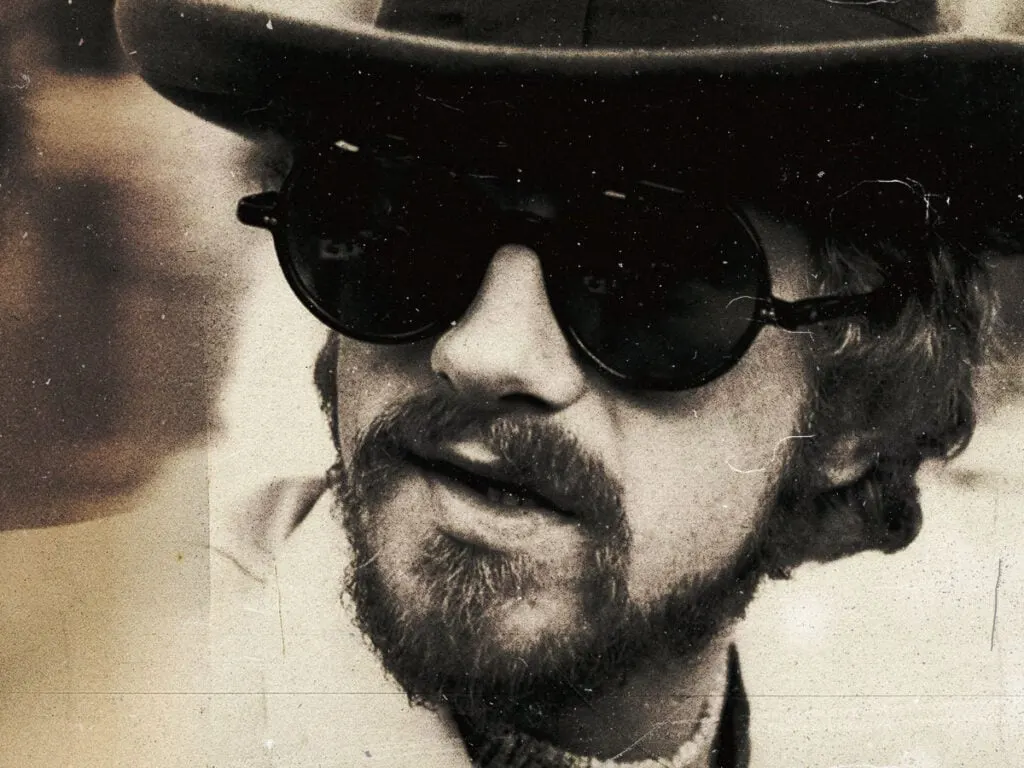
Andrew Loog Oldham, best known as the manager who shaped the Rolling Stones' early image and pushed them to write original material, is also remembered for two notable misjudgements: dismissing Jimi Hendrix as untalented before his rise to fame and making a demeaning remark about Marianne Faithfull's talent. The article revisits these episodes as examples of how even influential figures in the music industry can badly misread talent, despite Oldham's otherwise significant role in launching the Rolling Stones to stardom.
According to guitarist Keith Richards, Oldham watched Hendrix perform in New York—after being encouraged to do so by Linda Keith, Richards' then-girlfriend—but was unimpressed, reportedly calling him "a wild man" who "just didn't have it." Separately, after urging the Rolling Stones to write their debut original song, "As Tears Go By," recorded with Marianne Faithfull, Oldham reduced her to being "an angel with big tits," a comment widely seen as undermining her musical abilities.
In short
- Oldham managed the Rolling Stones but dismissed Jimi Hendrix's talent early on
- He also made a demeaning comment about Marianne Faithfull's abilities
- Article highlights his mixed legacy of major hits and misses
Explained simply
Andrew Loog Oldham was a young British music manager who helped shape the Rolling Stones’ image in the 1960s. He encouraged the band to write their own songs, helping set them apart from acts that mainly performed other people’s material.
The story also looks at his encounters with singer Marianne Faithfull and guitarist Jimi Hendrix. Faithfull recorded “As Tears Go By”, an early song written for the Stones, while Hendrix was still trying to establish himself; Keith Richards later recalled Oldham dismissing Hendrix’s performance.
These episodes matter because Oldham had considerable influence over which musicians and talents received attention, but his judgements were not always accurate or respectful. They offer a glimpse of how managers could shape artists’ careers and public images.