Culture news and discussion on TalkFuse.
Can breath be art? Liz Larner on sculpting with hair, lashes, leather – and international group exhalation
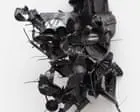
Californian sculptor Liz Larner is staging her first major UK exhibition, A Hard Line to Bend, at Camden Arts Centre in London, showcasing decades of work made from unconventional materials including human hair, false eyelashes, leather, surgical gauze and even breath bacteria. The show highlights her enduring interest in transforming discarded or overlooked substances into art that carries both beauty and unease, reflecting her longstanding engagement with ecological and feminist themes.
Among the works featured are pieces made from single-use plastic that Larner began collecting after China stopped accepting American plastic waste for recycling, and ceramic "asteroid" sculptures based on Nasa imagery, created amid growing commercial interest in space exploration. Larner, born in 1960 to a Californian farming family and exposed to DDT spraying as a child, has drawn on eco-feminist thought and mythological figures such as Lilith, while also reflecting on her formative years in Los Angeles' 1980s art scene alongside figures including John Baldessari, Mike Kelley and Dennis Cooper.
In short
- Liz Larner's first major UK show opens at Camden Arts Centre, London
- She sculpts with hair, plastic waste, ceramics and even bacteria
- Work explores ecology, feminism and space-age consumerism themes
Steelman: both sides, in good faith
The strongest fair case each way — we don't pick a winner.
The case for
Advocates of Larner's approach argue that using unconventional and bodily materials such as hair, lashes and breath bacteria expands what sculpture can meaningfully address, forcing viewers to confront ecological waste, mortality and the body in ways traditional materials like bronze or marble cannot. They see her feminist and ecological framing, drawing on figures like Lilith and her own experience of DDT exposure, as giving the work intellectual and political weight beyond mere shock value, situating it within a serious lineage of conceptual and body-centred art.
The case against
Sceptics of this kind of work contend that materials like breath bacteria, plastic waste or human hair risk substituting novelty and provocation for genuine aesthetic or technical achievement, and that heavy reliance on biographical and theoretical framing (eco-feminism, mythology, personal history) can function as a substitute for work that stands on its own visual terms. They value craftsmanship and formal rigour, and worry that contemporary art's embrace of ephemeral or abject substances prioritises conceptual gesture and gallery narrative over lasting artistic merit.
Explained simply
Californian artist Liz Larner is a sculptor known for turning unusual and often overlooked materials, such as human hair, false eyelashes and even bacteria from breath, into artworks. Her first major UK exhibition, A Hard Line to Bend, has opened at Camden Arts Centre in London, bringing together decades of her work for the first time in the country.
Larner grew up on a farm in California in the 1960s, an upbringing that included exposure to pesticide spraying, and later became part of the Los Angeles art scene in the 1980s alongside well-known artists such as John Baldessari and Mike Kelley. Her work often draws on environmental and feminist ideas, exploring themes of waste, the body and transformation.
The exhibition includes pieces made from single-use plastic and ceramic sculptures inspired by images of asteroids, reflecting Larner's long-standing interest in ecological issues and, more recently, growing commercial activity around space. The show matters as an opportunity for UK audiences to encounter a significant but until now lesser-seen figure in contemporary American sculpture.
Art Culture Entertainment Horror Music Space Technology