‘Three Girl Rhumba’: The ripped off 1977 riff that destroyed Elastica
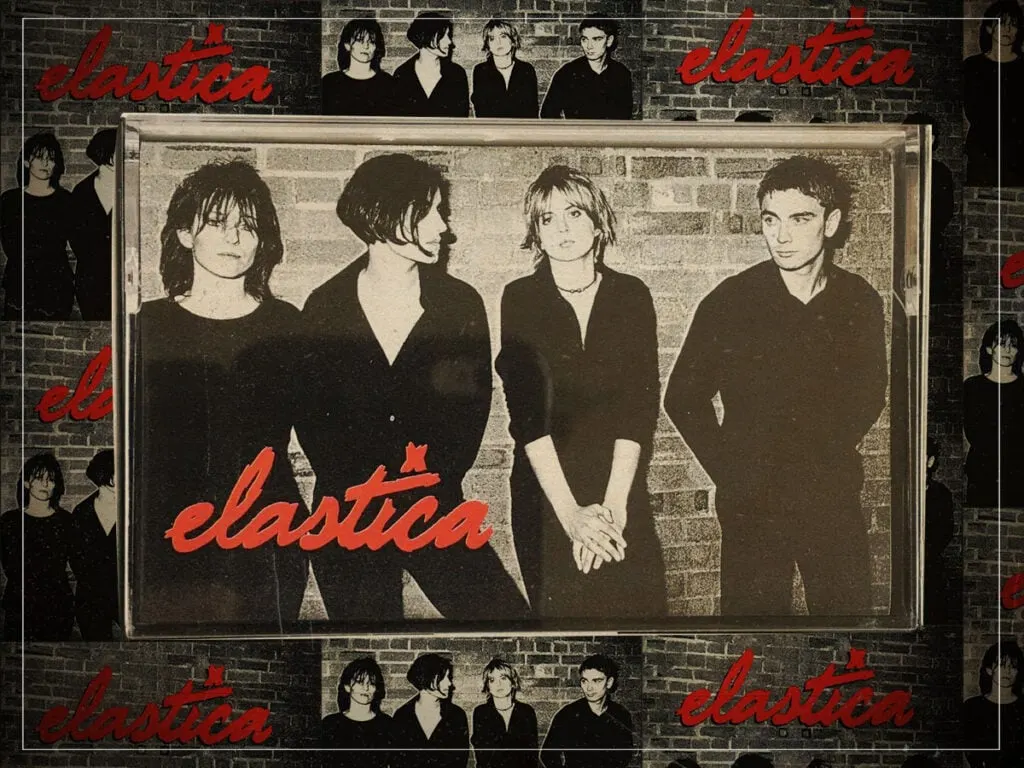
Elastica's 1994 breakthrough single "Connection" became embroiled in a plagiarism controversy after listeners noted its riff was strikingly similar to Wire's 1977 track "Three Girl Rhumba", from the post-punk band's Pink Flag album. The band, fronted by Justine Frischmann, went on to face further accusations, with another single, "Line Up", drawing comparisons to Wire's "I Am The Fly", and "Waking Up" echoing The Stranglers' "No More Heroes". These claims damaged the band's reputation within an indie scene that prided itself on originality, ultimately contributing to the commercial failure of their 2000 follow-up album, The Menace, and the band's subsequent split.
Elastica settled out of court with the publishers representing both Wire and The Stranglers over the borrowed material. Despite the settlements, the article argues Elastica were judged more harshly than male contemporaries, citing Oasis's Noel Gallagher, who has openly acknowledged borrowing riffs and lyrical ideas from other artists without suffering any dent in sales or songwriting reputation. The piece frames Elastica's downfall as evidence of a double standard applied to female-led acts in indie rock, despite The Menace being considered a solid record in retrospect.
In short
- Elastica's hit "Connection" closely echoed Wire's 1977 song "Three Girl Rhumba"
- Further similarities to Wire and The Stranglers songs led to court settlements
- Backlash arguably contributed to their split; author cites gender double standards
Steelman: both sides, in good faith
The strongest fair case each way — we don't pick a winner.
The case for
Elastica’s experience can be read as a gendered double standard: a female-led band faced lasting reputational damage for borrowing material, while male peers such as Noel Gallagher openly acknowledged similar practices without comparable commercial consequences. In an indie culture that prized originality, the scrutiny may have been amplified by expectations that women had to prove their artistic legitimacy, helping to overshadow the merits of The Menace.
The case against
The difference in consequences need not show gender bias: the cases may have differed in the extent, visibility or handling of the borrowed material, and Elastica faced several comparisons across their singles. Their reputation may also have suffered because originality was central to indie credibility and because the controversy coincided with a weaker commercial moment; settlements and later appreciation of The Menace do not by themselves establish unequal treatment.
Explained simply
Elastica were a British indie rock band led by singer and guitarist Justine Frischmann. Their 1994 debut album brought them wide attention, but some listeners noticed that riffs in songs including “Connection” resembled earlier tracks by Wire, a post-punk band, and The Stranglers.
The similarities led to legal settlements with publishers representing the earlier bands and fed debate about originality in indie music. The story also raises whether Elastica faced harsher judgement than male artists who acknowledged borrowing musical ideas, and how that criticism affected the band’s later career.