UK moves to sanction Israeli settlements as PM Burnham risks clash with Trump: report
Developed over time first seen 2 months ago
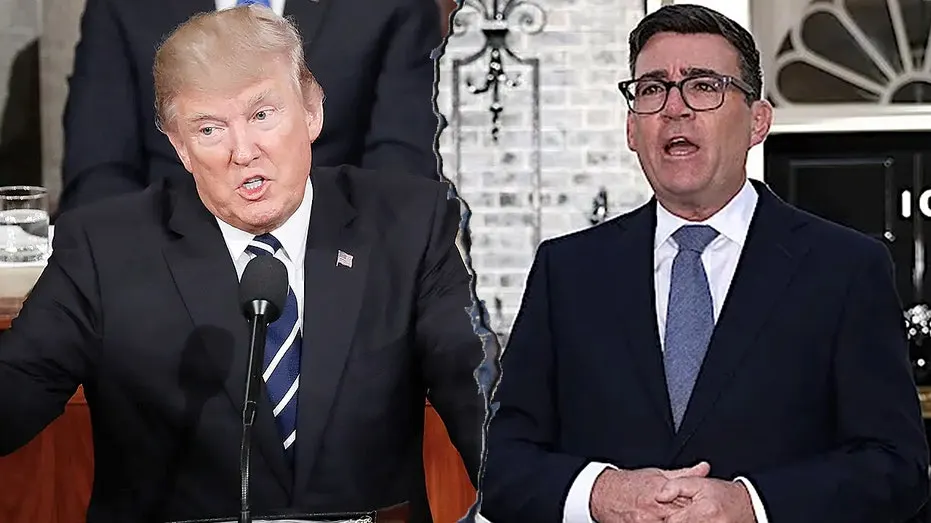
The UK has confirmed it is imposing trade restrictions on Israeli settlements in the West Bank, escalating pressure on Israel under new Prime Minister Andy Burnham and prompting sharp objections from both Israeli and US officials. The measures, expected to be formally unveiled by Foreign Secretary Ed Miliband, include an embargo on goods and some services linked to the settlements, and follow a phone call between Burnham and President Donald Trump in which the two discussed the Middle East, with Burnham stressing the importance of a two-state solution.
Miliband had pledged a "comprehensive reset" of Britain's policy towards the settlements and named the E1 project east of Jerusalem, which he called a longstanding "red line", as a driver of the move; Burnham also joined leaders from Canada, France, Germany and Italy in condemning the E1 expansion as a threat to a future Palestinian state. Israeli Finance Minister Bezalel Smotrich called for the British ambassador's expulsion, accusing the UK of an "antisemitic" stance, while National Security Minister Itamar Ben-Gvir urged Netanyahu to retaliate by recognising Argentine sovereignty over the Falkland Islands and sanctioning Britain. In the US, Republican Congressman Randy Fine warned the measures could trigger Florida's anti-boycott law, and the State Department said it was monitoring the situation closely, underscoring the risk of friction between London and a Trump administration strongly supportive of Israel.
- Sources
- 2
- Outlets
- 2
- Left · Centre · Right
- 1 · 0 · 1
In short
- UK imposes trade restrictions on Israeli West Bank settlements
- Israeli ministers condemn move; one urges Falklands retaliation
- Comes amid Burnham-Trump call and reported US concern
How this story developed
- 2 months ago The UK is expected to unveil trade restrictions on Israeli settlements in the West Bank on Tuesday, with the US State Department saying it is "tracking the plans closely" and Israeli officials issuing sharp condemnation even before the formal announcement.
- 2 months ago The United Kingdom is set to announce trade restrictions on Israeli settlements in the West Bank, a move expected to include an embargo on goods and some services and reported as an escalation under new Prime Minister Andy Burnham's firmer approach to the conflict.
- 2 months ago The UK has confirmed it is imposing trade restrictions on Israeli settlements in the West Bank, escalating pressure on Israel under new Prime Minister Andy Burnham and prompting sharp objections from both Israeli and US officials.
Where outlets differ
Left-leaning outlets 1
- UK politics live: Burnham risks row with Trump and Netanyahu over new crackdown on IsraelThe Independent
Only here: politics, netanyahu, crackdown, israel
Right-leaning outlets 1
Only here: moves, sanction, israeli, settlements, clash
Every side used: burnham, risks, trump
Headline columns compared word for word; nothing in them is AI-written.
Steelman: both sides, in good faith
The strongest fair case each way — we don't pick a winner.
The case for
Supporters of the UK's move argue that settlement expansion, particularly in areas like E1, systematically undermines the territorial contiguity needed for a viable Palestinian state, and that years of diplomatic protest without consequence have failed to alter Israeli policy. They contend that trade restrictions are a proportionate, non-violent tool consistent with the long-standing British and European position that settlements are illegal under international law, and that a government cannot credibly call for a two-state solution while treating goods from land it considers unlawfully annexed no differently from those within recognised Israeli borders. For advocates of this approach, standing by such principles, even at the cost of friction with a close ally, reflects consistency and integrity in foreign policy rather than hostility towards Israel itself.
The case against
Critics of the measures argue that unilateral trade restrictions single out Israel while bypassing negotiation, punishing an ally and its people rather than advancing peace, and risk emboldening extremists on both sides while giving Israeli hardliners a pretext to harden their own positions further. They contend that the status of the West Bank remains a matter for direct negotiation between the parties rather than external economic pressure, that Britain's timing, arriving just after a call with President Trump, appears needlessly provocative towards its most important security partner, and that damaging trust with Washington and Jerusalem could weaken Britain's influence and leverage precisely when constructive diplomacy is most needed. For those holding this view, safeguarding alliances and pursuing engagement rather than sanctions is the more responsible path to a lasting settlement.
Explained simply
Trade between Britain and Israel usually runs quietly, but the West Bank has been under Israeli military control since 1967, and Jewish settlements built there are widely viewed by other countries, including the UK, as illegal under international law, though Israel disputes this. Successive British governments have criticised settlement expansion without taking concrete economic action against it, making any move to restrict trade a significant shift rather than routine diplomacy.
Andy Burnham became Prime Minister after replacing his predecessor, and his government is reportedly taking a tougher line on the Israeli-Palestinian conflict than before. Foreign Secretary Ed Miliband oversees Britain's foreign policy and would be the one announcing any new measures. On the Israeli side, key figures include hardline government ministers such as Bezalel Smotrich and Itamar Ben-Gvir, who have long supported settlement expansion and take a hard line against outside pressure.
This matters because Israel is a close ally of the United States, and President Trump's administration has strongly backed Israeli policy, so a UK move seen as hostile to Israel could complicate the US-UK relationship as well. It also matters because the settlements, and particularly the E1 project near Jerusalem, are seen by many governments as jeopardising any future prospect of a separate Palestinian state existing alongside Israel.
Coverage · 2 sources
Bias meters
From 2 rated sources.
Geopolitics Government Middle East Politics UK World