Secret warning to Jim Chalmers that negative gearing and capital gains tax changes will push up rents and drive down house prices is exposed
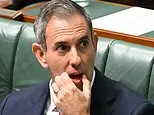
Treasury privately warned Australian Treasurer Jim Chalmers that the government's changes to negative gearing and capital gains tax would push up rents and lower house prices, according to a Cabinet document obtained under freedom of information laws. The warning came ahead of the May budget, in which Labor scrapped negative gearing for new builds and altered the capital gains tax discount from 50 per cent to a flat 30 per cent rate indexed to inflation, prompting fresh criticism from the Opposition that the government has worsened Australia's housing crisis.
Treasury estimated the reforms would push rents up by about 0.25 per cent shortly after implementation and modestly reduce housing supply, though it said this could be offset by other supply-boosting measures and stressed the effects would unfold gradually over roughly a decade. It acknowledged "significant uncertainty" in its modelling. Since the budget, Cotality data shows capital city dwelling values have fallen 3.83 per cent over 90 days, with Sydney down 4.72 per cent, while national advertised rents rose 3.1 per cent to a record $670 a week. Opposition spokesman Andrew Bragg cited falling first-home buyer loan applications, down as much as 15 per cent, while Housing Minister Clare O'Neil defended the Treasury figures, noting the price fall was small compared with a 400 per cent rise since 2001.
In short
- Treasury warned tax reforms would raise rents, cut house prices
- Capital city house prices fell nearly 4pc since May budget
- Rents hit record $670/week; Opposition blames government policy
Steelman: both sides, in good faith
The strongest fair case each way — we don't pick a winner.
The case for
The reforms could make investment property less attractive by reducing tax concessions, leading some landlords to sell or pass on higher costs through rents; Treasury’s modelling supports a modest near-term rent rise and lower housing supply. With rents already rising and dwelling values falling, critics argue the changes risk adding pressure to renters and weakening confidence among buyers, including first-home buyers.
The case against
The changes limit tax advantages that critics say favour property investors over owner-occupiers, while retaining negative gearing for new builds and directing investment towards additional housing. Treasury described the projected effects as modest, gradual and uncertain, and said other measures to increase supply could offset them; the recent market movements alone do not establish that the reforms caused them.
Explained simply
Negative gearing is an Australian tax arrangement that lets property investors deduct rental losses from other income. Investors can also qualify for a capital gains tax discount when they sell a property for a profit. The government has changed both arrangements as part of its housing policy.
The changes affect the costs and potential returns of owning rental property, which can influence whether investors buy, sell or build homes. Treasury’s modelling considered how those decisions might affect rents and the number of homes available over time, while noting uncertainty in its estimates.
Housing affordability is a long-running issue in Australia, where demand for homes has outpaced supply in many areas. Renters, home buyers and property investors may all be affected by changes to tax rules, so their effects are closely watched.
Business Government Markets Politics World