Trump threatens to exclude Bombardier aircraft from US market
Developed over time first seen 2 months ago
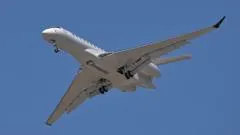
President Trump has said Bombardier will no longer be allowed to sell its private jets in the United States unless the Canadian manufacturer starts building them domestically, branding the company's aircraft "not good enough" in a Truth Social post and accusing Canada of treating America "like a piggybank." The threat, which the White House did not explain how it would enforce, emerged as part of a broader trade dispute between Washington and Ottawa and came just ahead of Canada introducing retaliatory tariffs against the US, though analysts doubt it can practically be carried out given how deeply integrated the two countries' aerospace industries are.
Bombardier's jets are certified by the US Federal Aviation Administration and comply with the USMCA trade deal Trump himself helped negotiate, and the Montreal-based firm already has a significant US footprint, employing 3,500 people, working with 2,800 American suppliers, building wings for its Global 8000 jet in Texas and preparing defence aircraft at a Kansas factory; roughly half its 5,100-strong customer fleet is based in the US. This is not the first such threat: in January Trump said Bombardier's Global Express jets would be decertified and floated 50% tariffs on Canadian-made aircraft, but neither materialised, and Canada went on to certify several rival Gulfstream planes the following month. Bombardier, which reported 6% quarterly revenue growth to $2.15 billion in July, did not respond to requests for comment, and the episode appears to have fizzled out much like the earlier January threat.
- Sources
- 2
- Outlets
- 2
- Left · Centre · Right
- 1 · 1 · 0
In short
- Trump threatened to ban Bombardier jet sales in the US
- Bombardier's jets are FAA-approved and USMCA-compliant, complicating enforcement
- Similar threat in January also went unenforced
How this story developed
- 2 months ago The dispute has sharpened further, with reports now pinning Canada's looming retaliation at roughly $20 billion in targeted American goods, underscoring an escalating tit-for-tat even as questions persist over how Trump could actually enforce a Bombardier ban.
- 2 months ago President Trump has threatened to shut Bombardier out of the US market unless the Canadian planemaker relocates production there, dismissing its aircraft on Truth Social as "not good enough" just as Ottawa prepares Tuesday retaliatory tariffs, even though the company's US-approved jets, thousands of American jobs and reliance on Honeywell and GE engines make the threat widely seen as unworkable and a repeat of an unfulfilled January warning.
Full account
President Donald Trump has said that Bombardier, the Montreal-based aircraft manufacturer, will be barred from selling its jets in the United States unless it relocates production there. In a post on his Truth Social platform on Monday, Trump declared that the firm would no longer be permitted to sell into the US market, accusing it of treating the country as a source of easy revenue rather than a genuine trading partner. He gave no detail on what legal or administrative mechanism might be used to enforce such a ban, and the White House did not immediately clarify how deliveries of Bombardier aircraft — which are certified by the US Federal Aviation Administration — might actually be blocked.
The threat lands at a moment of sharpening trade tension between Washington and Ottawa, with Canada preparing to bring in retaliatory tariffs on tens of billions of dollars of American goods. Bombardier itself did not engage directly with Trump's ultimatum, instead pointing to its substantial American presence: the company employs some 3,500 people in the US, works with thousands of domestic suppliers, and runs sites across states including Texas, Kansas, Arizona, Florida, Connecticut and California. It builds wings for its flagship Global 8000 jet in Texas and operates a Kansas plant that adapts Canadian-built aircraft for military and special-mission use. Roughly half of the 5,100 Bombardier aircraft in active service worldwide are based in the US, and the company said it intended to keep investing in its American workforce and communities.
Political reaction in Canada was swift. Quebec's premier described Bombardier as a point of pride and an economic flagship for the province, noting that she had personally offered the company government support and pledged not to meet provocation with provocation, while insisting that Quebec's businesses should not be told where to manufacture in order to reach a foreign market. The episode follows the breakdown of trade talks between the two countries at the end of last month, after which Washington imposed steep new tariffs on a range of Canadian goods; each side has blamed the other for the collapse in negotiations.
Industry observers were sceptical that Trump's threat could be made to stick. An aerospace analyst quoted by Reuters said he doubted any business-jet customers would actually cancel orders, pointing out that most Bombardier aircraft are fitted with American-made engines from Honeywell and GE, underlining how deeply integrated the two countries' aerospace industries already are — a sector in which the US currently runs a large trade surplus. Bombardier's jets also meet the terms of the North American trade agreement (known as USMCA in the US and CUSMA in Canada) that Trump signed during his first term. This is not the first time he has targeted the company: in January he claimed the US was withdrawing certification for Bombardier's Global Express jets and threatened tariffs on Canadian-built aircraft, but neither measure materialised before Canada went on to certify several rival planes from US manufacturer Gulfstream.
Where outlets differ
From the full account, which is AI-written from the sources:
The BBC-style report leads with reaction from Quebec premier Christine Fréchette and gives fuller detail on the Canada-US trade breakdown, including sterling/dollar conversions of Bombardier's economic contribution and the CUSMA/USMCA naming distinction.
Reuters includes analyst commentary (Richard Aboulafia) casting doubt on whether the ban is enforceable, details Bombardier's US engine suppliers (Honeywell, GE), and cites aerospace-sector trade-surplus figures not mentioned in the other account.
Reuters also provides more background on Trump's earlier January threat to decertify Bombardier jets and impose tariffs, which did not materialise, giving useful context that the ban may be more rhetorical than actionable.
Wording of Trump's quoted post differs slightly between reports, with Reuters including the additional line that Bombardier's 'products aren't good enough'.
Left-leaning outlets 1
Only here: canada, cannot, sell, unless, builds
Centre outlets 1
Only here: threatens, stop, sale, canadian, jets
Every side used: trump, bombardier
Headline columns compared word for word; nothing in them is AI-written.
Steelman: both sides, in good faith
The strongest fair case each way — we don't pick a winner.
The case for
Supporters of the administration's stance argue that trade agreements are only as good as their enforcement, and that if Canadian aerospace policy is seen as disadvantaging American manufacturing, using market access as leverage is a legitimate tool to secure more domestic production and jobs. They would say a president is entitled to push hard for reciprocal treatment and to prioritise American workers and factories, even if the immediate legal mechanism for such a ban is unclear, viewing the threat itself as a negotiating tactic rather than a literal policy commitment.
The case against
Critics, including trade analysts, would argue that Bombardier's aircraft are already FAA-certified, USMCA-compliant, and deeply embedded in the US economy through thousands of jobs, suppliers, and American-made engines, making a ban both legally dubious and self-defeating. They would contend that repeated, unenforced threats undermine confidence in US trade commitments, risk retaliation that harms the broader $109 billion aerospace trade surplus, and needlessly strain relations with a close ally and integrated industrial partner.
Explained simply
Bombardier is a Canadian aerospace manufacturer best known for business jets, and it has become a flashpoint in wider trade tensions between the United States and Canada. President Trump has repeatedly demanded the company shift production to American soil or face being shut out of the US market, framing it as part of a broader complaint that Canada benefits unfairly from trade with the US.
The dispute matters because the two countries' aerospace industries are closely intertwined. Bombardier's aircraft are certified by US aviation regulators and comply with the USMCA trade agreement, the company has thousands of American employees and suppliers, and roughly half of its customers are based in the US, meaning any restriction could affect businesses and workers on both sides of the border.
This is not the first time such a threat has been made, and a similar warning earlier this year did not lead to concrete action. The latest comments come as Canada prepares to introduce its own retaliatory tariffs, part of an ongoing back-and-forth over trade between the two neighbours.
Coverage · 2 sources
Bias meters
From 2 rated sources.