Balanga Secures First International Sales for History Doc ‘Beasts of the Colosseum,’ Ahead of Unifrance Rendez-Vous (EXCLUSIVE)
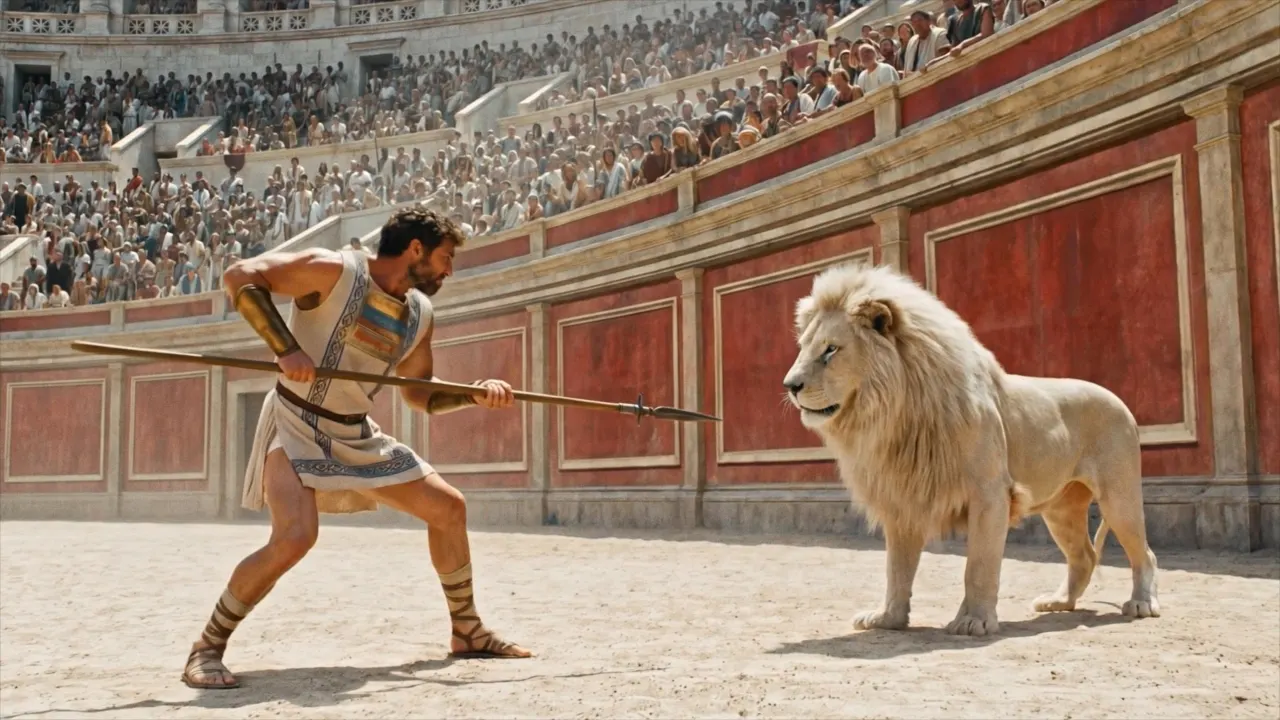
International distributor Balanga has secured its first major overseas sales for the history documentary "Beasts of the Colosseum," with Germany's ZDF/Terra X, Sweden's SVT and Canada's Radio-Canada all acquiring the film. The documentary explores the Venationes, ancient Roman spectacles in which exotic wild animals rather than gladiators took centre stage, and notably blends historical research with AI-generated reenactments, marking what its distributor calls a new approach to producing history documentaries more affordably and immersively.
The film was produced by Antoine Henriquet's AH! Production and Jean-Luc Berlot's Adline for France's Novo 19, in association with Italy's Mediaset, and uses AI to recreate capture expeditions, animal transportation and Colosseum arena scenes, all checked against historical research by experts. It premiered out of competition at the Cannes AI Film Festival and will screen for international buyers at the Unifrance Rendez-Vous in Le Havre on 8 September; producer Enora Contant said the project was partly inspired by wanting to explore where the arena's animals actually came from, a question she felt was less explored than the fate of human combatants.
In short
- Balanga sells "Beasts of the Colosseum" to broadcasters in Germany, Sweden and Canada
- Documentary uses AI reenactments alongside historical research on Roman animal spectacles
- Film screens for buyers at Unifrance Rendez-Vous in Le Havre on 8 September
Steelman: both sides, in good faith
The strongest fair case each way — we don't pick a winner.
The case for
AI generated reenactments can help audiences visualise ancient events that cannot be filmed, while making ambitious historical documentaries more affordable and immersive. If experts check the scenes against the evidence and the film is clear about how they were made, the technique can support historical research and bring an overlooked subject to a wider audience.
The case against
Reconstructed scenes may look more certain than the historical record allows, and viewers could mistake plausible AI imagery for documented fact even when experts have reviewed it. Using AI to lower production costs may also reduce opportunities for human craft, so the film’s value depends on transparency and careful limits on what it depicts.
Explained simply
The Colosseum was an arena in ancient Rome where public spectacles drew large crowds. Alongside gladiator contests, the Romans held venationes: events featuring wild animals, including creatures brought from distant parts of the empire.
The animals had to be captured, transported and brought into the arena, linking these spectacles to Rome’s trade and power across a vast territory. The documentary uses historical research and AI-generated scenes to reconstruct those journeys and events, with experts checking the reconstructions.