Nepal cracks down on online abuse against flood survivors
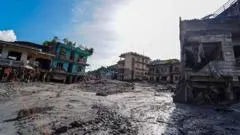
Nepal's government is cracking down on online abuse directed at survivors of deadly floods that struck last month, after people appealing for information about missing relatives or criticising the pace of search and rescue efforts were met with hostile and insulting comments. Prime Minister Balendra Shah said those who "belittle" suffering people or add to their pain at such a sensitive time are "criminals" and would face no leniency, while police say they are tracing the origin of abusive comments to identify those responsible. The move matters because it highlights how disaster survivors can face a secondary wave of harm through online harassment, and raises questions about balancing free speech with protection from abuse.
Cases cited include a woman whose brother has been missing for two weeks and who received "many nasty comments" after criticising slow rescue efforts, and a young woman whose viral video questioning the search for her missing husband drew cruel responses, including one telling her to "jump into the river". Police have set up a 10-member committee to investigate the comments, and offenders could face up to five years in jail and fines of up to 100,000 rupees (£490) under the Electronic Transactions Act. Dovan Rai of digital rights group Body & Data suggested some abuse stems from "rage baiting" for engagement, while other comments come from government supporters, further polarising online debate.
In short
- Nepal PM vows crackdown on abuse of flood survivors seeking help online.
- Police form committee to trace and identify abusive commenters.
- Offenders risk up to five years' jail or fines under existing law.
Steelman: both sides, in good faith
The strongest fair case each way — we don't pick a winner.
The case for
Authorities have a strong case for acting against targeted harassment of people already coping with bereavement and uncertainty: abuse can deepen their distress and deter survivors from seeking information or publicly questioning rescue efforts. Investigating threats and imposing proportionate penalties could protect people’s dignity and safety while allowing criticism of the government to continue.
The case against
A crackdown framed broadly around comments that “belittle” suffering risks giving officials discretion to punish harsh criticism or dissent, especially when the government’s own rescue response is being questioned. Protecting survivors matters, but vague rules, severe penalties or selective enforcement could chill legitimate speech; narrowly defined offences and fair procedures are important safeguards.
Explained simply
Floods in Nepal can leave people facing long searches for missing relatives as well as damage to homes and livelihoods. Survivors and their families may turn to social media to ask for information or speak about rescue efforts.
The government is led by Prime Minister Balendra Shah, while Nepal Police investigate suspected crimes. The Electronic Transactions Act is a law covering activity online, and can impose prison terms and fines for some offences.
The debate involves both protection from abuse and the right to criticise public authorities. Digital rights groups have also raised concerns about how political disputes and attempts to attract attention online can shape the comments people see.
Business Government Markets Politics World