If hackers cripple America’s water, the consequences could be catastrophic
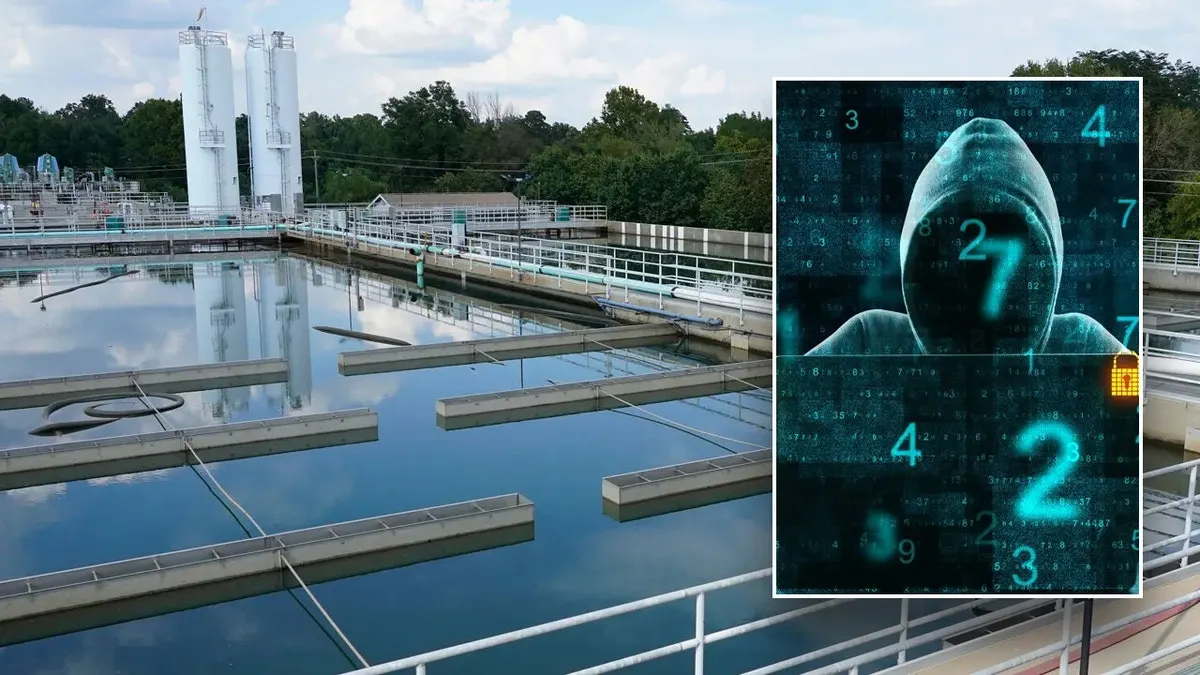
A Fox News opinion piece warns that America's water and wastewater systems have become prime targets for nation-state hackers and cybercriminals, arguing the threat is no longer hypothetical after a series of real intrusions. The author, a member of the House Science, Space, and Technology Committee, contends these systems are as critical to national security as the power grid, yet remain poorly defended due to ageing infrastructure and outdated assumptions about cybersecurity, meaning stronger innovation and coordinated defence are urgently needed rather than mere regulatory compliance.
The piece cites a January 2024 attack on the water system in Muleshoe, Texas, in which hackers manipulated industrial controls and spilled thousands of gallons of water into the streets, alongside a more recent Iran-linked breach claim against California Water Service, though no treatment or distribution systems were found compromised. It notes the US has over 50,000 community water systems, many run by small, under-resourced teams reliant on old control systems and third-party vendors, serving more than 324 million Americans, and argues that traditional defences like "air-gapping" networks are no longer sufficient against determined state-backed adversaries from Iran, China and Russia.
In short
- Fox opinion piece warns US water systems are major cyberattack targets.
- Cites Texas and California incidents involving Iran-linked hackers.
- Calls for innovation-led defence, not just more compliance regulation.
Steelman: both sides, in good faith
The strongest fair case each way — we don't pick a winner.
The case for
Water and wastewater systems serve nearly everyone, and disruption could threaten public health, essential services and national security. The reported intrusions show that vulnerabilities are already being probed, while ageing equipment, small operators and reliance on vendors can make systems difficult to defend; advocates therefore argue for stronger investment, innovation and coordinated security measures before a serious incident occurs.
The case against
The reported incidents do not establish that hackers have compromised water treatment or distribution or caused widespread harm, so the scale and immediacy of the danger may be uncertain. Broad new requirements could strain small systems with limited staff and budgets, and a more proportionate approach might prioritise practical support, targeted upgrades and evidence of specific risks over sweeping rules or alarmist framing.
Explained simply
Water systems collect, treat and deliver drinking water, while wastewater systems carry away used water for treatment. Many rely on industrial control systems, which monitor and operate equipment such as pumps and valves; some were installed before cyber threats became a routine concern.
In the US, more than 50,000 community water systems serve people across the country, and many are run by small teams with limited resources. They may depend on ageing equipment and outside technology providers, making it difficult to keep every part of the system secure.
A cyber intrusion could disrupt operations or interfere with equipment, with effects depending on what was accessed and how systems responded. The issue involves local water providers, federal agencies responsible for security and oversight, and hackers that may include criminals or state-linked groups.
Asia Cybersecurity Europe Middle East Technology World