China’s Xi Jinping warns Andy Burnham to ‘protect the rights and interests’ of Chinese investors in the UK after British Steel row
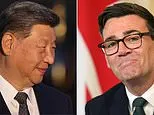
Chinese President Xi Jinping urged new UK Prime Minister Andy Burnham to "protect the lawful rights and interests of Chinese investors" during their first phone call since Burnham took office, following a dispute over the nationalisation of British Steel. The plant, formerly owned by China's Jingye Group, was brought into public ownership by Keir Starmer's government in July to safeguard steel production and supply chains, prompting Beijing to declare itself "strongly dissatisfied" and Jingye to demand compensation. The call signals China's intent to press the issue with the new premier while both sides publicly emphasised continued cooperation.
According to China's Foreign Ministry readout, Xi said Britain and China had "more common interests than disagreements" and called for mutual trust and broader cooperation. Downing Street's account said the two leaders affirmed a "long-term and consistent comprehensive strategic partnership" and discussed economic growth, while Burnham said he raised domestic security, Russia's war in Ukraine, Hong Kong, human rights and consular cases, including that of imprisoned British citizen Jimmy Lai. The approach echoes Starmer's earlier strategy of engaging pragmatically with Beijing—he became the first British PM to visit China since 2018 during a January trip—despite pressure from within Labour to take a tougher stance on issues such as the treatment of Uighurs.
In short
- Xi Jinping pressed Burnham to protect Chinese investors after British Steel row.
- British Steel was nationalised in July, angering former owner Jingye Group.
- Burnham raised human rights, Hong Kong and Jimmy Lai's imprisonment.
Steelman: both sides, in good faith
The strongest fair case each way — we don't pick a winner.
The case for
China’s position is that investors should be able to rely on lawful protections and fair treatment, even when a government decides that public interests require taking a business into public ownership. Clear, consistent rules and appropriate compensation could preserve confidence among Chinese and other foreign investors, while continued dialogue allows both governments to address the dispute alongside shared economic and diplomatic interests.
The case against
The UK government’s strongest case is that it had a duty to safeguard a strategically important steel plant and supply chain when it judged those interests to be at risk. Public ownership can provide greater assurance of continuity, and the decision need not deny investors fair legal process; Britain can pursue that process while maintaining engagement with China and raising security and human rights concerns.
Explained simply
British Steel is a major steelworks in northern England. It was owned by Jingye Group, a Chinese company, until the UK government took it into public ownership to keep steel production and supply chains operating. Jingye has sought compensation, and China has objected to the move.
Xi Jinping is China’s president, and Andy Burnham is the UK’s new prime minister. The two governments have different accounts of what they discussed: China has stressed protecting its investors, while the UK says topics included economic growth, security, Hong Kong and human rights. Their exchanges reflect efforts to maintain cooperation while addressing areas of disagreement.
Asia Government Politics UK World