EUAN McCOLM: The MSPs now griping about Holyrood are the very same people who helped erode democratic standards
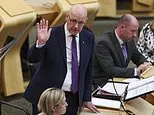
Columnist Euan McColm criticises a new IPPR Scotland report in which former MSPs, speaking anonymously, complained of "deep frustration and disillusionment" with how the Scottish Parliament operates. He argues it is hypocritical for politicians who served at Holyrood between 2021 and 2026 to now blame their colleagues for declining standards, when they themselves were part of the institution during that period and, in his view, did little to challenge those failings while in office.
The IPPR report, based on "exit interviews" with former parliamentarians ranging from senior cabinet figures to backbenchers, catalogued complaints about poor-quality answers from cabinet secretaries, weak questioning by opposition members, a dysfunctional committee system, and a low standard of debate. McColm notes that he and other commentators raised similar criticisms throughout the last parliamentary term without seeing any acknowledgement or change from MSPs at the time, and argues that Holyrood's committee system in particular was rendered powerless because convenors prioritised loyalty to the SNP government over effective scrutiny and legislation.
In short
- IPPR Scotland report finds former MSPs frustrated with Holyrood's functioning
- Columnist says these same MSPs ignored the criticisms while serving (2021-2026)
- Report highlights weak scrutiny, poor debate quality and a broken committee system
Steelman: both sides, in good faith
The strongest fair case each way — we don't pick a winner.
The case for
The former MSPs’ criticisms may deserve a hearing because their experience across roles could reveal institutional problems that are hard to see from outside Holyrood. Weak ministerial answers, ineffective questioning and committees unable to scrutinise government properly would undermine accountability, whatever the party responsible. Speaking anonymously after leaving office may also make it easier to describe problems candidly.
The case against
McColm’s charge is that former MSPs cannot fairly present these failures as someone else’s responsibility when they served during the period in question. If they saw standards slipping, they had opportunities to challenge colleagues, press for stronger scrutiny and make the case publicly; their silence, if that is what occurred, weakens their present criticism. The timing may therefore look like an attempt to shift blame rather than account for their own part in the institution.
Explained simply
Holyrood is the Scottish Parliament, where elected Members of the Scottish Parliament (MSPs) debate laws and question the Scottish Government. The government is led by a first minister and cabinet secretaries; MSPs who are not in government can scrutinise its decisions through questions, debates and parliamentary committees.
IPPR Scotland is a policy research organisation. Its report draws on interviews with former MSPs from the 2021–26 parliamentary term about how the institution worked, including its debates and committees. Committees examine policy and proposed laws in detail, so their ability to scrutinise government is central to how the parliament holds it to account.