Culture news and discussion on TalkFuse.
Riot, after 17 years, finally adds team voice chat to League of Legends
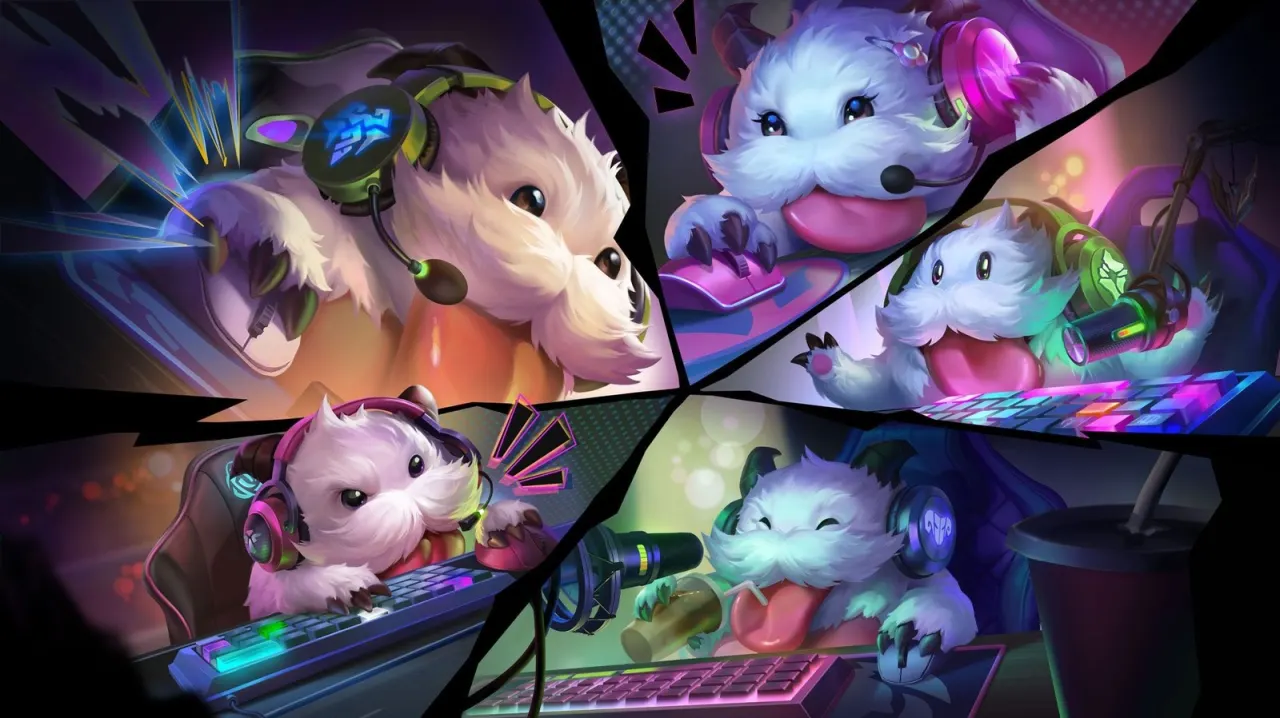
Riot Games has introduced team-wide voice chat to League of Legends, 17 years after the game's launch. Previously, built-in voice communication was restricted to premade groups who queued together, meaning players matched into a team mid-queue had no way to talk to one another despite the game's heavy reliance on split-second coordination. The change, seen as long overdue by many players, will hinge on how effectively Riot manages moderation and abuse.
The feature rolls out with Patch 26.20, initially for North America and Oceania, with other regions such as Korea, Latin America and Brazil potentially following if the trial goes well. Access to speak requires an Honor level of 3 or higher, League's behaviour-based reputation system, while lower-ranked players can only listen; Riot says it will continue refining this safeguard. The update also introduces customisable "voice skins," improved noise cancellation, faster connections and greater stability, and community reaction so far has been cautiously positive.
In short
- Riot adds team-wide voice chat to League of Legends after 17 years.
- Launches in North America and Oceania via Patch 26.20.
- Speaking requires Honor level 3+; other regions may follow later.
Steelman: both sides, in good faith
The strongest fair case each way — we don't pick a winner.
The case for
Team voice chat could make coordination quicker and more natural in a game where timing and teamwork matter, helping matched players communicate as readily as premade groups. After years of requests, extending access may improve the experience for players who want to collaborate, while the Honor threshold and technical improvements offer some safeguards.
The case against
Open voice chat could expose players to harassment, abuse and unwanted contact, making matches less welcoming, particularly for people who already face hostility online. The Honor threshold may reduce some risks but cannot guarantee respectful behaviour, and limiting the feature to selected regions at first may also make access uneven while Riot assesses whether moderation is effective.
Explained simply
League of Legends is a team-based online game from Riot Games, in which five players work together against another team. Players often need to coordinate their moves quickly, but until now the game’s built-in voice chat was limited to friends who had queued together.
Riot Games makes and runs League of Legends. Its Honor system tracks player behaviour, and the game uses Honor levels to set some access to features. Team voice chat raises questions about how players can communicate while Riot manages abusive behaviour; its availability may also vary between regions.
Art Culture Entertainment Gaming