World news and discussion on TalkFuse.
7 compression socks to try if you sit or stand all day, according to the experts
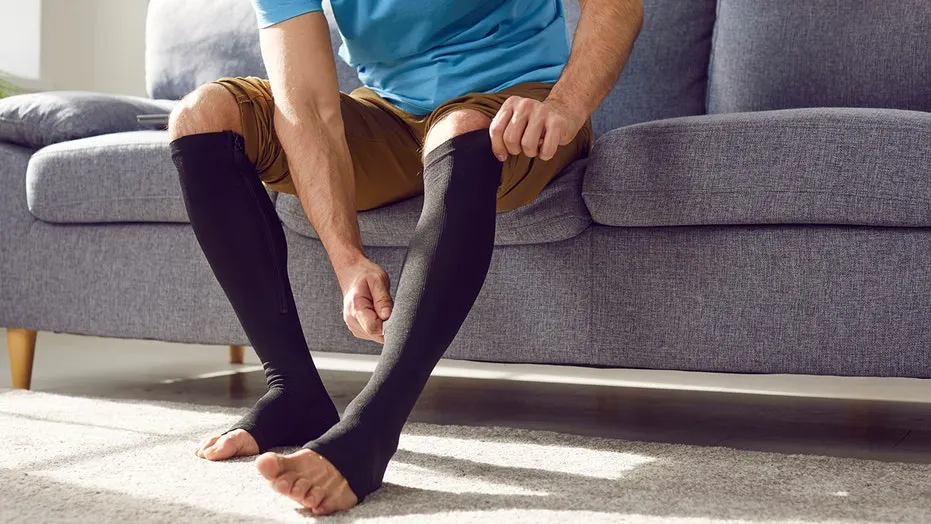
Compression socks are recommended by podiatrists and vein specialists for people who spend long periods sitting or standing, such as office workers, nurses, flight attendants and travellers, as they can help improve circulation and reduce swelling, aching and heaviness in the legs. Experts explain that inactivity causes blood to pool in the legs, and external pressure from the socks helps push blood back towards the heart, easing discomfort and potentially lowering the risk of blood clots; pregnant and postpartum women, athletes and those with chronic leg pain may also benefit.
Specialists say compression strength matters more than brand: 15–20 mmHg socks offer moderate, everyday support, while 20–30 mmHg versions provide firmer pressure suited to pain management. Recommended options include Sigvaris, favoured for medical conditions such as lymphedema and ulcers; Sockwell, praised for its stylish, dress-sock look suitable for daily office wear; and Nurse Yard, popular among nurses for its breathable, toe-pressure-free design, alongside various affordable multi-packs.
In short
- Compression socks aid circulation for those sitting or standing long hours
- Experts say compression level (15–30 mmHg) matters more than brand
- Sigvaris, Sockwell and Nurse Yard are top expert-recommended brands
Explained simply
Compression socks are close-fitting socks that apply measured pressure to the legs. They are used by people who sit or stand for long periods, including office workers, nurses and travellers, and may also suit some pregnant people, athletes and people with ongoing leg discomfort.
When someone stays still for a long time, blood can collect in the legs, sometimes causing swelling, aching or heaviness. The socks’ pressure can help blood return towards the heart; the strength is measured in mmHg, with 15–20 mmHg generally offering everyday support and 20–30 mmHg providing firmer compression.
Podiatrists and vein specialists advise choosing a suitable compression level, since needs vary. Brands differ in fit, fabric and appearance, and some people with medical conditions may need advice from a health professional before using compression socks.