Science news and discussion on TalkFuse.
Legendary sports agent warns MLB lockout would be ‘remarkably self-destructive’ with CBA set to expire
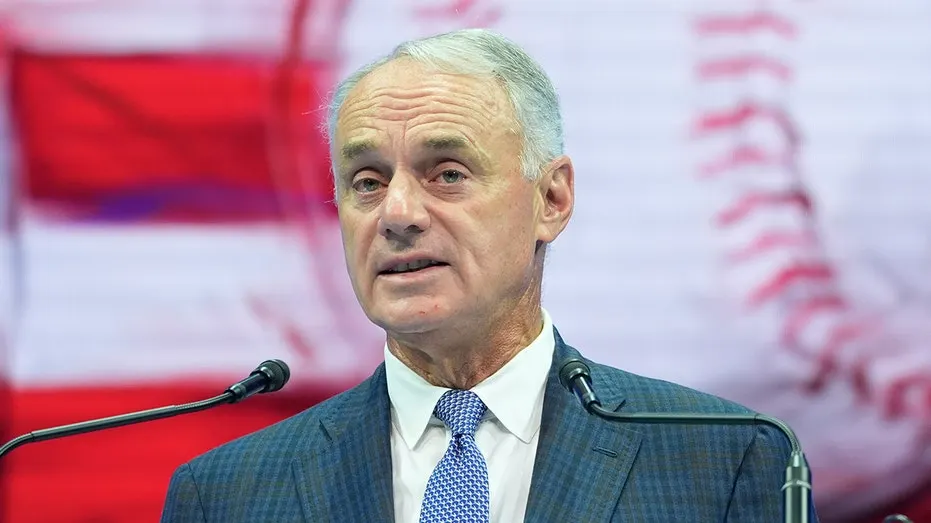
Veteran sports agent Leigh Steinberg has warned that a lockout would be "remarkably self-destructive" for Major League Baseball as the current collective bargaining agreement between MLB and the players' union nears its December expiry. He described the present standoff as the "murkiest" environment the sport has faced since the 1994 strike, with owners reportedly determined to push for a salary cap while players remain firmly opposed, raising the prospect of a work stoppage disrupting the game just as it heads into its postseason.
Steinberg linked owners' renewed appetite for a cap to big-money free-agent deals by the Los Angeles Dodgers, notably Kyle Tucker's four-year, $260 million contract and Edwin Díaz's three-year, $69 million deal, both of which have underperformed this season. He noted that the 1994-95 strike caused league revenues to fall by 40%, taking years and a controversial home run race to recover, and argued a repeat would be baffling given baseball's current financial health, with strong income from television, attendance, merchandising and gambling. Both sides have exchanged proposals but talks have so far shown little real progress, with the previous lockout in 2021-22 lasting 99 days before a new deal was ratified in March 2022.
In short
- Agent Leigh Steinberg warns MLB lockout would be "self-destructive"
- CBA expires in December; owners want a salary cap, players oppose it
- 1994 strike cut league revenue 40%; talks show little progress so far
Steelman: both sides, in good faith
The strongest fair case each way — we don't pick a winner.
The case for
Owners could argue that a salary cap would bring more predictable costs and limit the risk that a small number of clubs’ expensive contracts distort competition. With the agreement nearing expiry, they may see this as a rare chance to address those concerns and secure a model they believe is sustainable over the long term.
The case against
Players could argue that a cap would restrict their bargaining power and share of the sport’s substantial revenues, while the reported financial health of baseball gives little reason to risk a damaging stoppage. A lockout could cost both sides income and alienate fans, repeating the severe losses of 1994-95 without resolving the underlying dispute.
Explained simply
Major League Baseball (MLB) is the top professional baseball league in the United States and Canada. Its players’ union represents players in negotiations with team owners over pay and working conditions; the agreement that sets those terms is known as a collective bargaining agreement.
A salary cap would limit how much teams can spend on player salaries. Owners and players have disagreed over whether to introduce one, a dispute that could affect players’ earnings and how teams compete to sign them.
A previous dispute led to the 1994–95 strike, which interrupted the season and was followed by a sharp fall in league revenue. More broadly, labour stoppages can disrupt baseball’s schedule and affect income from matches, broadcasting and other business.