Video games news, releases, esports and culture — all the biggest gaming stories in one place.
Corporations want to kill physical media because it suits them, but Big Box PC game packaging just got a second chance
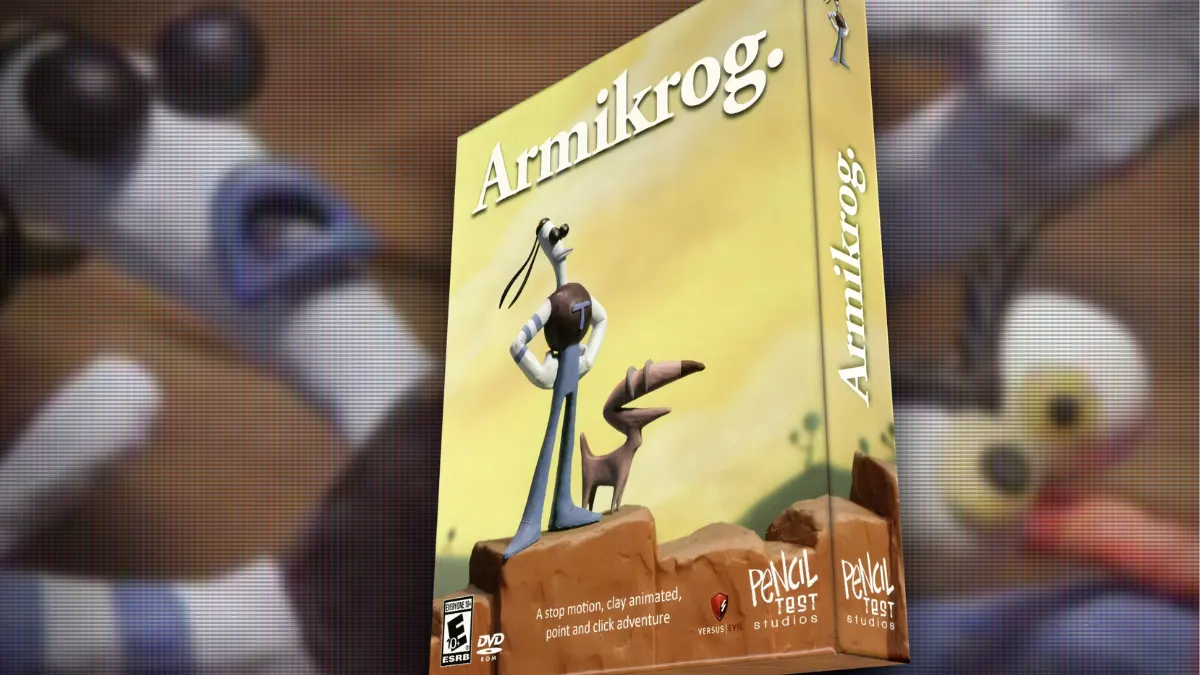
PC Gamer discusses how Big Box-style physical packaging for PC games is seeing a revival, even as major corporations continue to push digital-only distribution because it better serves their commercial interests, such as tighter platform control and higher margins. The piece frames this as a rare win for physical media enthusiasts, arguing that the shift away from discs and boxed copies has largely been driven by industry convenience rather than consumer demand, and that renewed interest in collectible packaging pushes back against that trend.
The article highlights that boutique publishers and collector-focused releases are bringing back elaborate box art, manuals and physical extras reminiscent of the PC gaming market's earlier decades, offering an alternative for players who value ownership and tangible collectibles over purely digital libraries. It positions this resurgence as a niche but meaningful counterpoint to the broader industry trend of phasing out physical formats for both convenience and cost reasons.
In short
- Big Box PC game packaging is making a comeback
- Corporations favour digital-only for their own convenience and profit
- Revival gives collectors a physical alternative to digital distribution
Steelman: both sides, in good faith
The strongest fair case each way — we don't pick a winner.
The case for
Physical editions give players a tangible sense of ownership, lasting access that is less dependent on a platform or account, and artwork and extras that can make games culturally meaningful collectibles. The revival of boxed PC releases offers an option for people who value these qualities and shows that some consumer demand remains, even if the market is niche.
The case against
Digital distribution can make games easier to buy, access and update, while avoiding the costs and environmental footprint of manufacturing, shipping and storing boxes. Publishers may reasonably prioritise formats that reach more players and support their businesses, and a boutique revival can coexist with digital-first releases without showing that most consumers want physical copies.
Explained simply
PC games were once commonly sold in large boxes, with printed manuals and other extras alongside the game discs. Over time, publishers shifted towards downloads and online shops, which can reduce production and distribution costs and give companies more control over how games are sold and accessed.
Physical editions still appeal to players who value owning a boxed copy or collecting its artwork and extras. Smaller publishers now offer some PC games in elaborate packaging, though these releases serve a limited audience compared with digital distribution.
The debate matters because it reflects different ideas of what buying a game means: access through a digital service, or a physical item that can be kept and displayed. Both formats have practical trade-offs, including storage and convenience for physical copies and dependence on platforms for digital ones.