World news and discussion on TalkFuse.
Navy reveals lessons learned from USS Abraham Lincoln’s grueling 200 days in war zone as next carrier prepares to head into Iran war
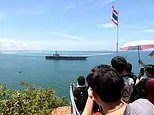
The USS Abraham Lincoln is returning to the United States after a gruelling deployment of more than 200 days in the Middle East, during which it played a key role in operations linked to the war with Iran. Its return comes as the US Navy prepares the USS Theodore Roosevelt for its own deployment, with officials saying lessons from the Lincoln's punishing patrol are being used to better equip the next carrier group heading into the region.
The Lincoln spent 280 days at sea and 200 days in combat zones, far exceeding the usual 30-to-45-day cycle between port calls, with crew enduring 12-hour shifts seven days a week, shrinking food rations and a two-month WiFi blackout for operational security. Despite the strain, which reportedly triggered mental health crises among some sailors, the crew shot down over 200 Iranian drones and flew more than 10,000 missions before finally getting a rest stop in Pattaya, Thailand. As a direct result, the Theodore Roosevelt will now depart San Diego carrying extra supplies to remain self-sufficient for longer.
In short
- USS Abraham Lincoln heads home after 200+ days in Iran war zone
- Crew endured gruelling conditions, shot down 200+ Iranian drones
- Navy sending USS Theodore Roosevelt with extra supplies, lessons learned
Steelman: both sides, in good faith
The strongest fair case each way — we don't pick a winner.
The case for
The extended deployment can be defended as necessary to sustain operations during a serious conflict, protect US forces and partners, and counter Iranian drone attacks. Sending the Lincoln home while preparing the Roosevelt with extra supplies may help maintain that presence while applying lessons from the strain on the crew.
The case against
A deployment of this length, with relentless shifts, reduced rations and limited contact with home, raises serious questions about whether operational needs were balanced against sailors’ health and readiness. Critics could argue that relying on such an overextended crew risks harm to personnel and may weaken effectiveness, so the Navy should prioritise relief and sustainable rotations even if that limits its immediate presence.
Explained simply
US aircraft carriers are large warships that serve as mobile bases for aircraft and are usually accompanied by other ships in a carrier group. The USS Abraham Lincoln and USS Theodore Roosevelt are two such carriers, operated by the US Navy.
The Middle East is a region where the United States has deployed naval forces amid conflict involving Iran. Carrier groups can support military operations from the sea, while their distance from regular ports affects how often crews can rest and replenish supplies.
Long deployments can put pressure on sailors and make food, communications and other supplies harder to manage. The experience of one carrier’s crew can inform how the Navy prepares another ship and its crew for a similar deployment.