Trump’s pressure campaign has Iran reeling. America can’t hesitate now
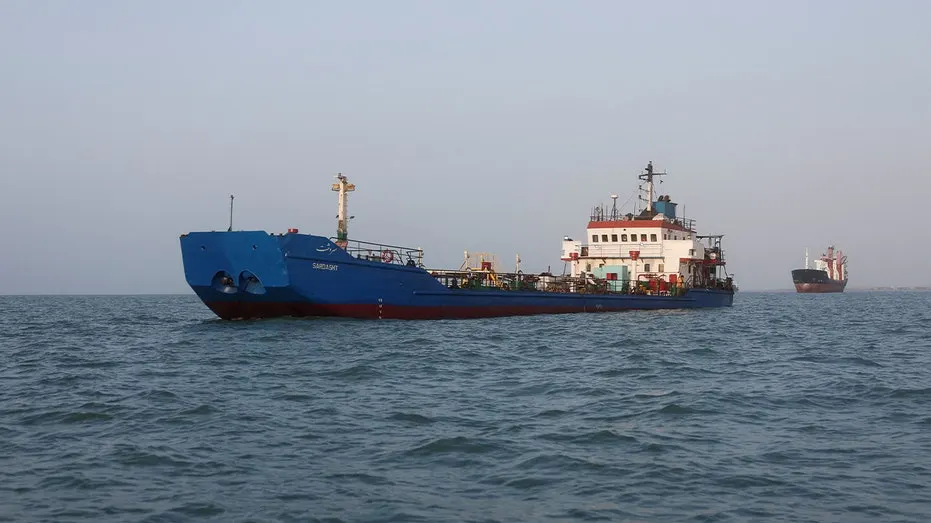
This Fox News opinion piece argues that President Donald Trump's combined military and economic pressure campaign has left Iran's regime severely weakened, contending that any threatened Iranian escalation would stem from desperation rather than strength. The author credits US Central Command strikes on Iranian tankers, alongside a naval blockade and sanctions, with crippling Tehran's capacity to harm the United States or its allies, and urges Washington to maintain rather than ease this pressure.
The piece cites specific incidents: a 5 September US strike on three Iranian tankers after the Islamic Revolutionary Guard Corps allegedly fired at US Navy ships, followed three days later by the destruction of five more tankers after further missile threats against a US warship. It notes that roughly half of 25 ballistic missiles Iran reportedly fired towards Jordan failed to reach Jordanian airspace, taken as evidence of the regime's declining military effectiveness. The author dismisses a short-lived memorandum of understanding that had allowed Iranian oil sales, calls diplomacy premature given the regime's stance, and expresses concern about continued, if limited, support for Iran from Russia and China.
In short
- Opinion piece says US pressure has severely weakened Iran's regime.
- Cites US strikes on Iranian tankers and failed missile attacks.
- Author urges Trump to keep up sanctions and military pressure.
Steelman: both sides, in good faith
The strongest fair case each way — we don't pick a winner.
The case for
Supporters of sustained pressure argue that Iran’s attacks on US ships and missile launches show that easing sanctions or restrictions could give the regime room to rebuild its military capacity and threaten US forces and allies. They see strikes, sanctions and a blockade as a way to deter further aggression, while arguing that diplomacy is unlikely to succeed unless Tehran faces meaningful costs; continued support from Russia and China strengthens the case for vigilance.
The case against
Critics argue that military strikes, a naval blockade and economic pressure can deepen conflict, endanger shipping and civilians, and prompt Iran to retaliate or escalate rather than concede. They may see the reported missile failures as insufficient evidence that Iran is no longer dangerous, and favour preserving diplomatic openings such as the oil-sales memorandum to reduce immediate risks and seek limits on Iran’s actions.
Explained simply
Iran is governed by the Islamic Republic, whose military includes the Islamic Revolutionary Guard Corps (IRGC), a powerful force involved in the country’s security and regional policy. The United States and Iran have long been rivals, with disputes over Iran’s nuclear programme, its regional influence and attacks on US forces and partners.
Washington has used sanctions to restrict Iran’s trade and access to money, as well as military deployments and strikes in the region. Iran has its own missiles and other forces, and has links with groups and governments opposed to US influence; Russia and China also maintain ties with Tehran.
These tensions matter because a clash could spread across the Middle East and affect shipping, energy supplies and the security of US allies. The balance between military pressure, economic restrictions and diplomacy shapes the risk of further conflict.
Americas Elections Europe Middle East Politics World