NBA star Jaylen Brown says in ridiculous interview he’s an influencer, not an entertainer for fans
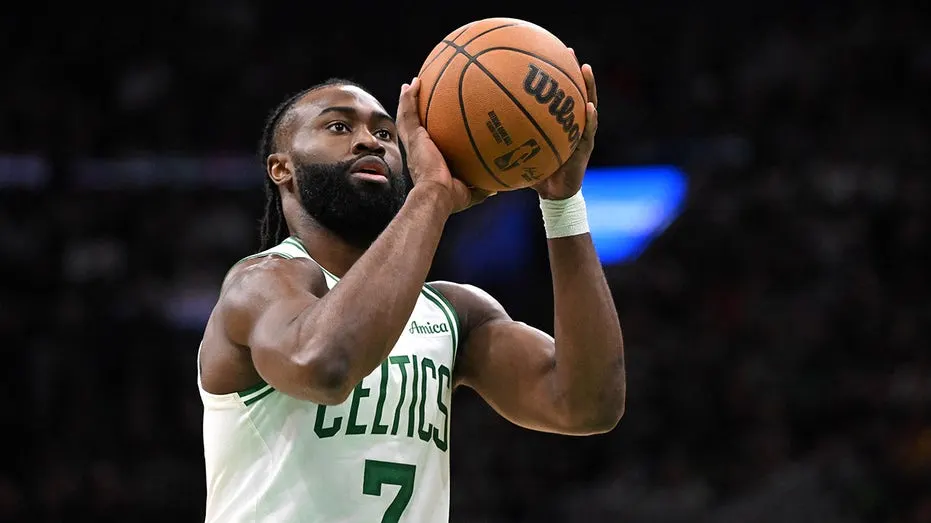
Philadelphia 76ers forward Jaylen Brown drew criticism after telling The Hollywood Reporter, in an interview with actor Mahershala Ali, that he rejects being seen purely as an entertainer for fans, instead describing himself as a person of influence. The comments have reignited long-running criticism that Brown positions himself as an intellectual and cultural commentator rather than focusing on basketball, with critics arguing that fans who pay for tickets and merchandise are primarily interested in watching him play.
The Outkick opinion piece traces a pattern of similar remarks from Brown, including a 2022 comment to The Ringer about people being "amazed" by his intellect, and a response on Instagram Live dismissing NBA colleagues by saying "the bar is f***ing low." The article also revisits past controversies, including Brown saying he was "undecided" on whether the Earth was flat, his defence of Kyrie Irving's promotion of an antisemitic film, his continued association with Kanye West's Donda Sports, and his wearing of a magnetic necklace marketed with unproven health claims. It also notes a 2017 Guardian interview in which Brown complained athletes were expected to "shut up and dribble."
In short
- Jaylen Brown says he's an influencer, not just an entertainer
- Fox Sports' Outkick criticises this as self-important posturing
- Piece cites past controversial comments, including flat-Earth remarks
Steelman: both sides, in good faith
The strongest fair case each way — we don't pick a winner.
The case for
Supporters of Brown's stance would argue that athletes are public figures whose platforms extend well beyond the court, and that reducing them to mere entertainers denies their right to be full citizens with opinions, business interests and cultural influence. They would point to a long tradition, from Muhammad Ali to Colin Kaepernick, of sportspeople using their visibility to engage with ideas and causes, arguing that demanding players simply perform for fans without comment on wider life is itself a diminishing and outdated expectation. From this view, Brown asserting his own identity and refusing to be defined solely by his jump shot reflects legitimate self-determination rather than arrogance.
The case against
Critics would argue that fans who buy tickets, jerseys and subscriptions are primarily investing in Brown's basketball performance, and that it is reasonable to expect humility and focus from someone whose platform derives from that skill rather than from expertise in other fields. They would say that public commentary carries responsibility, and that remarks entertaining flat-earth scepticism, defending the promotion of antisemitic material, or endorsing products with unproven health claims deserve scrutiny precisely because fame can lend undue credibility to poorly founded views. On this view, the objection is not to athletes having opinions, but to a pattern of statements seen as self-aggrandising or careless with influence that many people did not ask them to wield.
Explained simply
Jaylen Brown is a professional basketball player who has also spoken publicly about culture, education and social issues. In an interview with actor Mahershala Ali for The Hollywood Reporter, Brown said he sees himself as someone with influence rather than someone whose role is simply to entertain fans.
The comments have renewed a debate about what fans expect from high-profile athletes. Some critics say supporters mainly want to watch players compete, while Brown has previously objected to the idea that athletes should limit themselves to sport.
The disagreement matters because modern players can use their fame to speak on issues beyond basketball, while their teams and leagues also depend on public support. Brown’s remarks have drawn attention in that wider discussion about athletes’ public roles.
Americas Basketball Celebrity Entertainment Sport World