World news and discussion on TalkFuse.
US Open winner Andy Roddick defends late finishes amid criticism after Ben Shelton-Carlos Alcaraz thriller
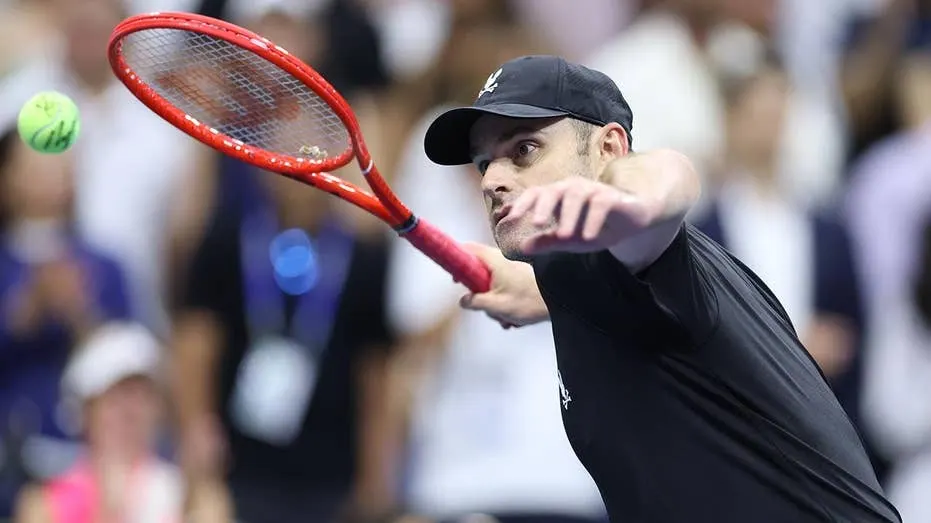
Retired US Open champion Andy Roddick has defended the tournament's late-night scheduling after Ben Shelton's dramatic five-set win over Carlos Alcaraz finished shortly after 3:30am ET on Wednesday. The victory made Shelton the first American man to beat either Alcaraz or Jannik Sinner at a Grand Slam, and combined with Frances Tiafoe's five-set win over Alex Michelsen, it guaranteed an American finalist at the 2026 US Open for the first time since Roddick himself won the title in 2003. Roddick's comments, made on his "Served" podcast, came amid criticism of the tournament's logistics and the toll such late finishes take on players, spectators and broadcast staff.
Roddick argued that clearing and reseating 25,000 spectators safely makes an earlier start impractical, and noted that the schedule was constrained by the preceding Tiafoe-Michelsen match. While acknowledging podcaster Bill Simmons' complaint that five-hour matches are excessive, Roddick said he valued tennis's capacity for gruelling, long-form contests and was reluctant to shorten the format, even as he sympathised with those who had to stay up into the early hours or forgo sleep for work the next day. Tiafoe and Shelton are set to meet in the semi-final on Arthur Ashe Stadium's centre court on Friday.
In short
- Ben Shelton beat Carlos Alcaraz in a five-set thriller ending after 3:30am ET
- Andy Roddick defended the US Open's late-night match scheduling
- Tiafoe and Shelton to meet Friday, guaranteeing an American finalist
Steelman: both sides, in good faith
The strongest fair case each way — we don't pick a winner.
The case for
Late finishes can be a consequence of preserving full-length matches and letting play unfold, especially when an earlier five-set contest pushes the schedule back. Roddick’s defence also recognises the practical challenge of safely clearing and reseating a stadium of 25,000 people, while valuing the endurance and drama that long matches can bring.
The case against
A match ending after 3:30am raises reasonable concerns about players’ recovery and the wellbeing of spectators and broadcast staff who must remain at work or travel home at very late hours. Organisers could be expected to weigh those costs against tradition and spectacle, and consider whether scheduling or format changes might reduce the chance of such extreme finishes.
Explained simply
The US Open is one of tennis’s four Grand Slam tournaments, held each year in New York. Its men’s singles matches are played as best of five sets, so a close contest can last several hours.
Andy Roddick won the US Open in 2003 and is now a retired player and podcast host. Ben Shelton and Frances Tiafoe are American players; Carlos Alcaraz and Jannik Sinner are among the leading players of their generation.
Arthur Ashe Stadium, the tournament’s main court, seats about 25,000 people. Late matches raise practical questions about when play should begin and how long players, spectators and broadcast crews may have to stay, while changes to match length could affect the format of the sport.