Barry Melrose, Kings coach and ESPN analyst, dies aged 70
Developed over time first seen 2 months ago
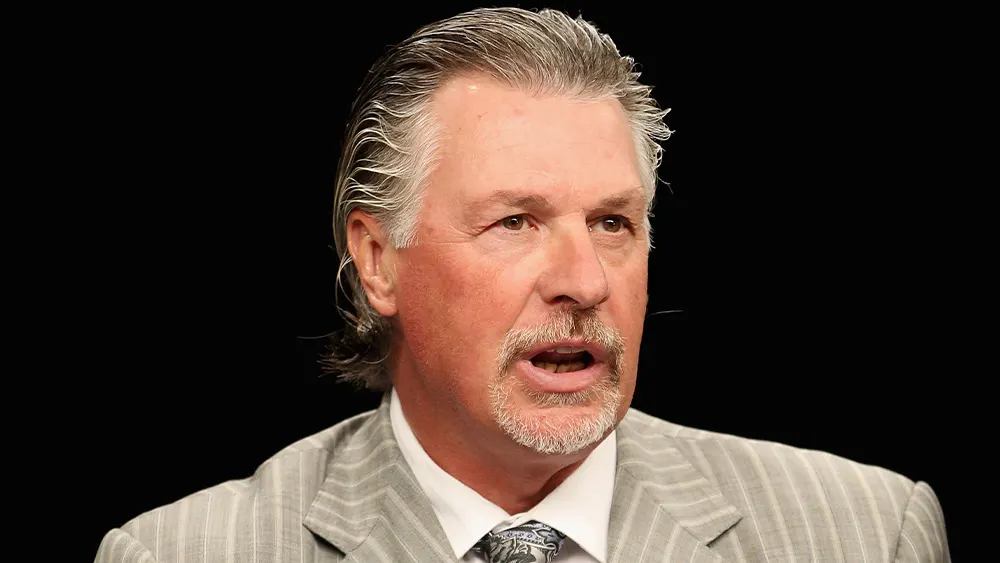
Barry Melrose, the former Los Angeles Kings coach who became one of hockey's best-known television analysts, has died at the age of 70. NHL commissioner Gary Bettman confirmed the news, paying tribute to Melrose's distinctive style, from his mullet to his flared suits, and to his ability to deepen fans' love of the game both at the rink and on screen. A cause of death was not given, though Melrose had revealed in October 2023 that he was suffering from Parkinson's disease and was stepping back from his career to focus on his health and family.
Melrose led the Wayne Gretzky-era Kings to the franchise's first Stanley Cup Final in 1993 before being sacked in 1995, after which he swiftly joined ESPN as an analyst, becoming a fixture of the network's hockey coverage for nearly three decades, including every Stanley Cup Final from 1994 to 2022 alongside broadcaster Steve Levy. He briefly left ESPN in 2008 to coach the Tampa Bay Lightning but was fired after just 16 games and returned to the network in 2009. Born in the small Saskatchewan farming town of Kelvington in 1956, he played 300 NHL games as a hard-hitting defenceman for Winnipeg, Toronto and Detroit before moving into coaching and broadcasting, where colleagues including Levy remembered him as "the unquestioned face and voice of hockey in the United States."
- Sources
- 2
- Outlets
- 2
- Left · Centre · Right
- 0 · 0 · 0
In short
- Former Kings coach and ESPN hockey analyst Barry Melrose has died, aged 70
- Diagnosed with Parkinson's disease in 2023, prompting his retirement
- Known for mullet, flashy suits and nearly 30 years at ESPN
How this story developed
- 2 months ago Coverage broadened beyond Bettman's initial statement as ESPN colleagues and other figures across the hockey world shared personal tributes, remembering Melrose as a generous mentor whose infectious enthusiasm left a lasting mark on those who worked alongside him.
- 2 months ago Barry Melrose, the former Los Angeles Kings coach turned longtime ESPN hockey analyst, has died at 70, with NHL commissioner Gary Bettman confirming the news and paying tribute to his signature mullet, flared suits and passion for the sport.
Full account
Barry Melrose, the ice hockey coach who guided Wayne Gretzky's Los Angeles Kings to their first Stanley Cup Final and later became one of the sport's best-known American broadcasters, has died at the age of 70. His death was announced on Wednesday, with NHL commissioner Gary Bettman among those paying tribute; no cause of death has yet been disclosed.
Melrose, a defenceman during his own playing career, took charge of the Kings for the 1992-93 season and led them to the franchise's first appearance in the Stanley Cup Final, with Gretzky then in his fifth season in Los Angeles following his blockbuster move from Edmonton. Recognisable for his mullet hairstyle and flamboyant pinstriped suits, Melrose spent three seasons behind the Kings' bench before being dismissed in April 1995. He later had a brief return to coaching with the Tampa Bay Lightning in 2008, a stint that lasted only sixteen games.
It was in television, however, that Melrose became most widely known to American sports fans. He joined ESPN as a studio analyst within hours of leaving the Kings, moving into a full-time role by the mid-to-late 1990s and going on to become the network's principal voice on hockey for close to three decades, working regular-season and playoff coverage alongside colleagues such as Steve Levy and John Buccigross. His larger-than-life persona also led to cameo appearances beyond sports broadcasting, including a role in the 1999 film Mystery Alaska, a guest spot on the sitcom Spin City, and a part in Slap Shot 2. Melrose stepped back from broadcasting in October 2023 after revealing he had been diagnosed with Parkinson's disease, saying at the time that he wished to focus on his health and his family, including his wife, Cindy.
Tributes flowed from across the hockey world following news of his death. Bettman described Melrose as an unmistakable figure at the rink and on screen, while Levy called him the face and voice of hockey in the United States for more than three decades and said he had never forgotten his working-class roots. Buccigross wrote that Melrose had been like a brother to him, noting the poignancy of learning of his friend's death while at an ice rink preparing for the new season. Born in the small Saskatchewan town of Kelvington and raised on a farm, Melrose was remembered by colleagues not only for his distinctive style but for a warmth and enthusiasm that, they said, drew millions of viewers closer to the game he loved.
Where outlets differ
From the full account, which is AI-written from the sources:
The two accounts differ on the length of Melrose's ESPN tenure — one describes it as 'almost two decades', the other as 'nearly three decades' (he was with the network, on and off, from 1994 to 2023).
Only one source details his brief second coaching stint with the Tampa Bay Lightning in 2008-09 and his Saskatchewan upbringing/family background.
Only one source carries Gary Bettman's tribute and confirms the cause of death has not been made public; the other focuses more on colleague John Buccigross's personal tribute and Melrose's film/TV cameo appearances (Mystery Alaska, Spin City, Slap Shot 2).
Explained simply
Barry Melrose was a Canadian former ice hockey player and coach who became a familiar face and voice in North American hockey broadcasting. He played as a defenceman in the NHL before moving into coaching, most notably guiding the Los Angeles Kings, then featuring stars including Wayne Gretzky, to the franchise's first Stanley Cup Final in 1993. He was sacked two years later, then had a brief, unsuccessful second stint as an NHL head coach with the Tampa Bay Lightning in 2008.
After leaving the Kings, Melrose joined ESPN as a hockey analyst, a role he held for nearly three decades and which made him far better known to casual sports fans than his playing or coaching career alone would have. He became instantly recognisable for his mullet hairstyle and flamboyant suits, and was a regular fixture of ESPN's Stanley Cup Final coverage alongside broadcaster Steve Levy.
He had stepped back from broadcasting in October 2023 after disclosing he had Parkinson's disease, a condition affecting movement, in order to focus on his health and family. His death at 70 has prompted tributes from figures including NHL commissioner Gary Bettman, reflecting his standing as one of the sport's most distinctive on-screen personalities.