World news and discussion on TalkFuse.
Burnham meets JP Morgan boss amid bank tax policy uncertainty
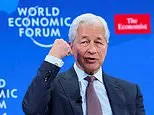
Andy Burnham held talks in Downing Street with Jamie Dimon, chief executive of JP Morgan, a vocal critic of proposals for a wealth tax on banks, ahead of Chancellor John Healey's first Budget on 28 October. The meeting has fuelled speculation that the government could soften its stance on taxing bank profits, which have swelled amid an oil price surge linked to Trump's war with Iran, at a time when Healey faces pressure to raise revenue without breaching fiscal rules.
Dimon has previously warned that a higher windfall tax could drive jobs, investment and capital away from Britain, citing the recent exodus of firms from London's stock market, and reportedly repeated these arguments to senior politicians during the visit. Downing Street declined to detail what was discussed, saying only that the PM "routinely engages" with business leaders. The talks came as TUC general secretary Paul Nowak urged Labour to press ahead with wealth taxes on firms despite economic pressures, while experts including Niesr have warned Healey he must raise taxes or cut spending, having promised his Budget will be built on "fiscal discipline".
In short
- Burnham met JP Morgan boss Jamie Dimon, a wealth tax critic, in No10
- Speculation grows of a possible U-turn on taxing bank profits
- Healey's first Budget, on 28 October, faces pressure to raise revenue
Steelman: both sides, in good faith
The strongest fair case each way — we don't pick a winner.
The case for
A higher tax on banks could help raise revenue for public services and meet fiscal commitments, particularly when bank profits have risen sharply. Supporters may argue that firms benefiting from unusual economic conditions can contribute more, and that the tax is justified if designed to avoid undue harm to investment.
The case against
A higher windfall tax could make Britain less attractive for investment and encourage banks to move jobs, capital or activity elsewhere, weakening the tax base over time. Critics may argue that policy uncertainty itself deters investment and that raising revenue through broader spending restraint or other tax measures would pose less risk to the City’s competitiveness.
Explained simply
A Budget is the government’s plan for taxes and public spending. Chancellor John Healey is due to present his first Budget on 28 October, amid pressure to raise money while keeping within the government’s fiscal rules, which set limits on borrowing and debt.
Andy Burnham is a senior Labour politician, and Jamie Dimon leads JP Morgan, one of the world’s largest banks. Dimon has argued that higher taxes on banks could prompt firms to move jobs and investment out of Britain; trade union leader Paul Nowak has urged Labour to tax companies more to help raise revenue.
The debate concerns how to fund public services and manage the public finances, while weighing the effect of taxes on businesses and investment. Banks’ profits have risen amid a surge in oil prices linked to the US–Iran war, adding to discussion of whether they should face additional tax.
Americas Business Markets World
Read the full article at the source →
Originally published by Daily Mail as “Is Burnham preparing to U-turn over wealth tax on banks? PM holds talks with levy critic JP Morgan boss in No10”.