Business news and discussion on TalkFuse.
England’s mayors to be given power to introduce tourist tax
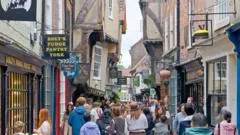
The UK government is granting mayors in England the power to introduce a "tourist tax" on overnight stays, allowing local leaders to charge an uncapped levy calculated as a percentage of accommodation costs rather than a flat fee. Ministers say this will let regions reinvest in high streets, transport and local attractions, but hospitality bosses have warned it risks jobs and could add significantly to family holiday costs, setting up a clash between devolved fundraising powers and industry concerns.
Local Government Secretary Angela Rayner said the levy would let mayors "raise and reinvest funding where it's needed most," with low-cost accommodation guaranteed the lowest rate and exemptions possible for things like campsites, though whole areas cannot be exempted. UKHospitality's Allen Simpson estimated the tax could add £100 to £120 to an average family holiday, while political reaction split along party lines, with Conservatives calling it a "double whammy" alongside VAT and Reform UK vowing its mayors won't introduce it. Several Labour mayors, including in Liverpool, West Yorkshire, London and the West of England, have signalled support, with Liverpool's Steve Rotheram suggesting the levy could raise up to £18m a year; a bill will be brought to Parliament "in due course."
In short
- Mayors in England get power to levy an uncapped "tourist tax" on stays
- Hospitality industry warns of job losses and higher family holiday costs
- Some Labour mayors back it; Reform UK mayors say they'll refuse
Steelman: both sides, in good faith
The strongest fair case each way — we don't pick a winner.
The case for
Giving mayors this power could help destinations fund the transport, public spaces and attractions that residents and visitors rely on, while allowing local areas to set a levy suited to their needs. A percentage-based charge, with lower rates for cheaper accommodation and possible exemptions, could raise substantial revenue without placing the same burden on every visitor.
The case against
An uncapped levy could make stays in England more expensive for families and weaken the competitiveness of hotels and other accommodation, potentially reducing visitor numbers and putting jobs at risk. Because the charge would be added to existing holiday costs, critics argue it could burden households while leaving businesses to absorb any loss of demand.
Explained simply
A tourist tax is a charge on people staying overnight in hotels and other accommodation. Local authorities in parts of the UK already use such levies, but England’s mayors have not had this power; they are elected leaders of combined local areas, such as city regions.
Mayors could set a charge linked to the price of a stay, with lower-cost accommodation paying the lowest rate. The idea is to give local areas another way to fund services and attractions that visitors use, while the cost would be paid by visitors and could affect tourism businesses.
The debate is about how to balance local funding with the cost of holidays and the effect on hospitality jobs. Mayors may take different approaches, so the impact could vary between areas.
Business Culture Economy Health Medicine Sheffield Travel UK World