Entertainment news and discussion on TalkFuse.
Nintendo funds sale with $300m in tariff refunds withheld from customers
Developed over time first seen 2 months ago
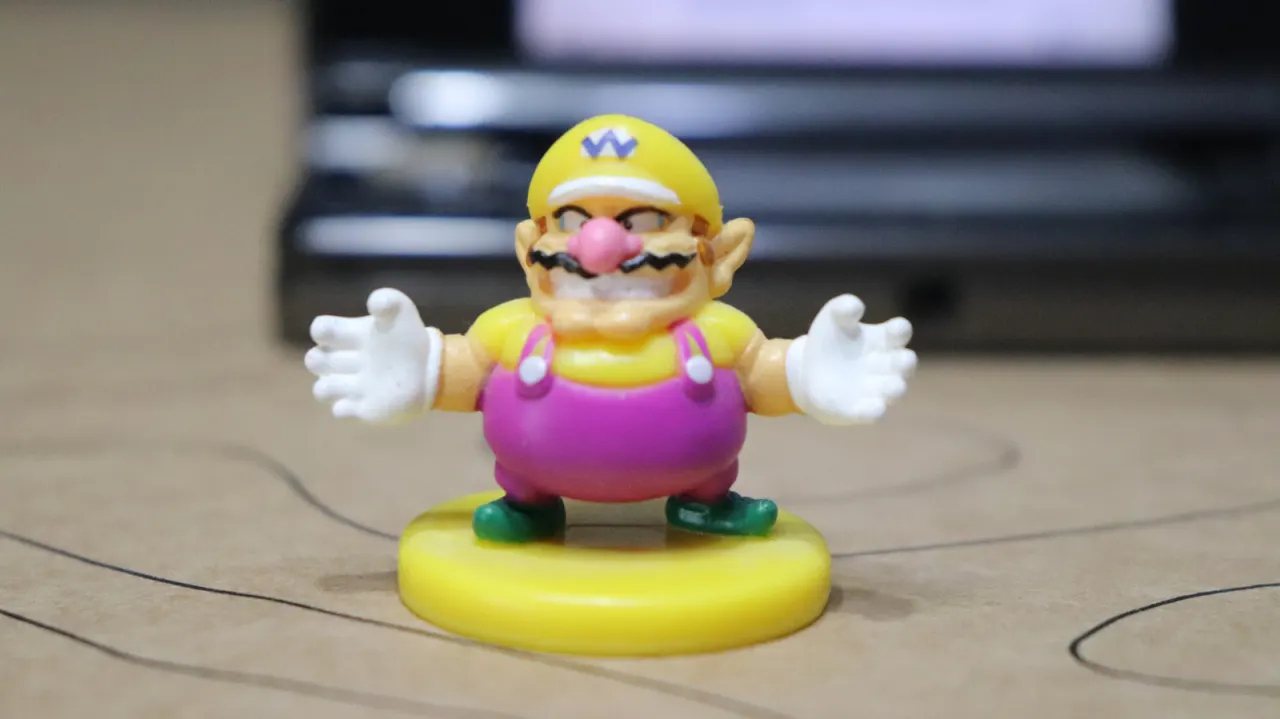
Nintendo has confirmed that its "Customer Appreciation Sale", described as one of its largest promotions ever, is funded in part by roughly $300 million in tariff refunds it received from the US government but chose not to pass on to customers. The company said the discounts were "made possible in part by tariff-related refunds", despite having previously raised Switch and Switch 2 prices in the US, Canada and Europe citing tariffs, and it now faces a consumer lawsuit, alongside Sony and Amazon, over its refusal to return those refunds to buyers who paid the higher prices.
The sale ran from midnight ET on 13 September to 26 September across the eShop, Nintendo Store and retailers, offering 30% off dozens of digital games, bundles, DLC, physical games, Amiibo and other merchandise. Nintendo obtained the refunds after suing the US government following a Supreme Court ruling that the Trump administration's global tariffs were illegal, and it disclosed the $300 million figure in an earnings report, stating the related costs had mostly been absorbed by the company rather than passed to consumers. In a July motion to dismiss the lawsuit, Nintendo argued it was not legally obliged to repay the refunds, saying buyers "received exactly what they bargained and paid for". By contrast, Playdate maker Panic returned its tariff refunds directly to customers.
- Sources
- 2
- Outlets
- 2
- Left · Centre · Right
- 0 · 0 · 0
In short
- Nintendo's sale is partly funded by $300m in undisclosed tariff refunds
- Discounts run 13-26 September with 30% off games, DLC and merch
- Nintendo faces a lawsuit, like Sony and Amazon, over withheld refunds
How this story developed
- 2 months ago Coverage reaffirmed the scale and rationale behind the promotion, with Nintendo explicitly branding the discounts as "made possible in part by tariff-related refunds" and reports again drawing the contrast with Playdate maker Panic, which passed its own tariff refunds straight back to customers rather than folding them into a sale.
- 2 months ago Attention shifted to the sale itself going live, with Nintendo cutting prices by 30% across the eShop, Nintendo Store and retailers from midnight ET on 13 September through 26 September, spanning digital games, bundles, DLC, physical titles, Amiibo and accessories, while it maintained in court that customers "received exactly what they bargained and paid for."
- 2 months ago Nintendo confirmed that its "Customer Appreciation Sale", one of its largest promotions ever, is being partly funded by roughly $300 million in tariff refunds it received from the US government but kept rather than passing on to customers, prompting a consumer lawsuit against Nintendo, Sony and Amazon over the withheld refunds.
Full account
Nintendo has confirmed a wide-ranging "Customer Appreciation Sale" that it says was made possible, in part, by roughly $300 million in tariff refunds the company recently recovered from the US government. The promotion, which Nintendo describes as one of its largest ever, is due to begin at midnight Eastern Time on 13 September and run until 26 September across the Nintendo eShop, the Nintendo Store and participating retailers. It offers 30 per cent reductions on a broad range of digital games and bundles, downloadable content, physical titles, Amiibo figures, accessories and other merchandise.
The sale follows a turbulent period of pricing changes at Nintendo. After tariffs were imposed on goods imported into the United States, the company raised prices on the Switch and related products in August 2025, and it increased Switch 2 pricing in the US, Canada and Europe again only last week, citing shifting market conditions on both occasions. Separately, Nintendo took legal action against the US government earlier this year to reclaim tariff payments after the Supreme Court found the administration's global tariff regime to be unlawful. In an earnings update last month, the company disclosed it had received about $300 million in refunds, while maintaining that it had largely absorbed tariff costs itself rather than passing them on through higher prices.
That claim sits awkwardly alongside a class-action lawsuit Nintendo is currently fighting in the US, brought by customers who argue they are owed a share of the refunded tariff money after paying higher prices during the period the levies were in effect. Nintendo has filed a motion to dismiss the case, contending it has no legal duty to redistribute the refunds and that buyers received exactly what they paid for at the time of purchase. The company is not alone in taking this position: Sony and Amazon face similar consumer lawsuits over withheld tariff refunds, and reporting indicates Microsoft has also pushed back against calls to return such money to customers.
Coverage of the announcement has been broadly critical of Nintendo's framing, with commentators and social media users questioning why a sale funded by refunds tied to price rises is being presented as a gesture of thanks rather than, for instance, a permanent price reduction. One account highlighted a smaller device maker, Playdate creator Panic, as a contrasting example of a company that simply returned tariff refunds directly to its customers. At the same time, some observers noted a more forgiving reading: whatever its motivation, the sale still offers real, if temporary, discounts to Switch owners during a period when new games and hardware remain expensive.
Where outlets differ
From the full account, which is AI-written from the sources:
Source 1 is more overtly critical, explicitly calling Nintendo's framing 'deeply gross' and contrasting it unfavourably with Panic, which returned Playdate tariff refunds directly to customers, and it also notes Sony and Amazon face similar refund lawsuits.
Source 2 leads with the reaction rather than the announcement itself, quoting specific social media posts (X/Twitter and Bluesky) mocking Nintendo's wording, and adds that Microsoft is also resisting tariff-refund claims alongside Sony and Nintendo — a detail not mentioned in Source 1.
Source 2 more explicitly presents a 'counter argument' or balanced take (a genuine discount is still a discount), giving more space to the case for viewing the sale positively, whereas Source 1's framing is almost entirely negative.
Steelman: both sides, in good faith
The strongest fair case each way — we don't pick a winner.
The case for
Nintendo received unexpected tariff refunds after legal action, which became a business asset independent of customer purchases. The company fulfilled its legal obligations—customers received the exact products they paid for at the agreed prices, with no contractual obligation to return subsequent business windfalls. Rather than attempting administratively complex retroactive refunds to past purchasers, Nintendo invested these funds in a customer appreciation sale offering substantial discounts to all customers across multiple product categories. This approach benefits the broader customer base significantly and represents a reasonable business decision about deploying recovered funds.
The case against
Nintendo deliberately raised consumer prices citing tariffs, then recovered $300 million in refunds when those tariffs were ruled illegal, yet chose not to return this money to the customers who bore the original cost increase. The refunds directly offset the tariff-based price hikes that customers funded, making equity suggest returning the benefit to those who paid higher prices—either through direct refunds or price reductions. Competitor Panic demonstrated that returning tariff refunds directly to customers is both feasible and the more principled approach, suggesting Nintendo's decision prioritises corporate gain over customer fairness after having specifically invoked tariffs to justify higher prices.
Explained simply
Nintendo, Sony and Amazon are being sued by consumers after refusing to hand back money the US government owes them. The saga began when the Trump administration imposed tariffs on imported goods, prompting Nintendo to raise the prices of its Switch and Switch 2 consoles in the US, Canada and Europe, citing those extra costs. The Supreme Court later ruled that these global tariffs were unlawful, and Nintendo, having sued the government, has since recovered around $300 million in refunds.
The dispute is over what happens to that money. Nintendo argues customers who paid the higher, tariff-inflated prices are not owed anything back, saying they got what they paid for, while the customers taking legal action say they overpaid because of a tariff that was later found to be illegal. Other companies have handled this differently: gadget maker Panic chose to pass its own tariff refund directly on to customers who had bought its Playdate device.
This background matters because Nintendo has now launched a major promotional sale, and has said the discounts are partly funded by these same tariff refunds, rather than by returning the money to the customers who originally paid the higher prices.
Coverage · 2 sources
Read the full article at the source →
Originally published by Engadget as “Nintendo’s latest sale is ‘made possible’ by the tariff refunds it’s hoarding”.