Federal appeals court compares Trump migrant detention policy to Japanese American internment
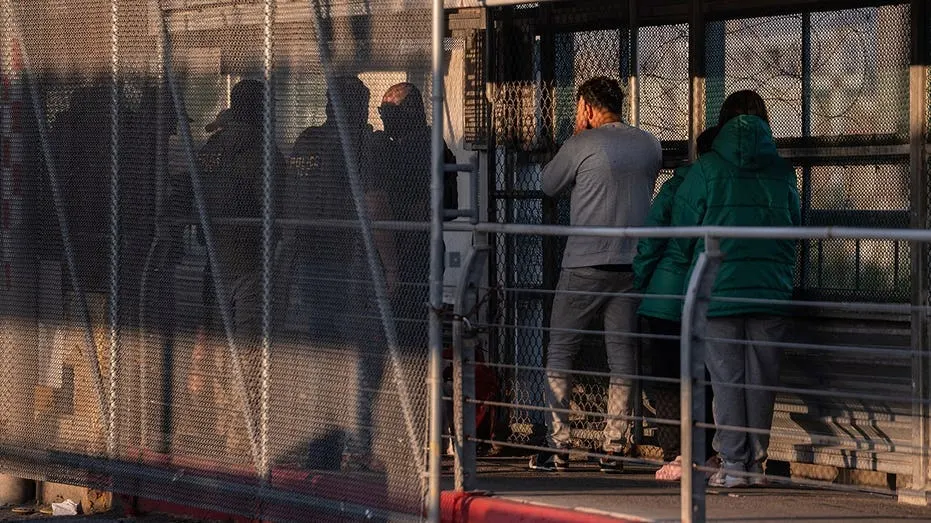
A federal appeals court has struck down a Trump administration policy requiring mass detention of migrants without the possibility of bond, with the majority opinion drawing a striking parallel to the internment of Japanese Americans during the Second World War. The 4th US Circuit Court of Appeals ruled 2-1 against the measure, which forms a central part of President Trump's mass deportation agenda, warning that detaining marginalised people without due process "harkens back to some of the darkest moments in our country's history." The ruling adds to mounting judicial resistance to the policy and increases the likelihood that the Supreme Court will ultimately have to settle the matter.
Nine federal appeals courts have now found ICE's mandatory detention policy, introduced in July 2025, to be unlawful when applied to migrants living elsewhere in the country rather than those recently arrived near the border, while two other courts have upheld it. Writing for the majority, Judge Nicole Berner invoked the wartime internment as a caution against unchecked executive detention power, while the ACLU welcomed the decision as a rejection of a "cruel policy." The Department of Homeland Security expressed disappointment, pointing to a pending Supreme Court review of a similar Sixth Circuit ruling and defending the policy as lawful enforcement.
In short
- Appeals court blocks Trump's mass migrant detention policy without bond
- Judges liken it to WWII Japanese American internment
- Split among appeals courts likely means Supreme Court will decide
Steelman: both sides, in good faith
The strongest fair case each way — we don't pick a winner.
The case for
Supporters of the policy argue that mandatory detention is a lawful tool for enforcing immigration rules and ensuring that people subject to removal proceedings appear when required. They may also contend that elected officials need latitude to manage detention and deportation, and that wartime internment is a poor comparison to a policy applied under immigration law.
The case against
Opponents argue that detaining migrants without bond hearings denies them an individual chance to show why detention is unnecessary, undermining due process and imposing severe hardship. They see the courts’ rulings as a safeguard against broad executive power over marginalised people, and invoke the internment comparison as a warning about the consequences of unchecked detention authority.
Explained simply
The United States has long allowed immigration authorities to detain some people while their cases are considered. A bond hearing gives a detained person the chance to ask a judge to release them, usually on condition they pay money and attend future hearings.
The Immigration and Customs Enforcement agency, known as ICE, carries out immigration detention and enforcement. The Trump administration’s mass deportation agenda includes a policy requiring detention without bond for some migrants already living in the country, not only people recently arriving at the border.
Japanese Americans were forcibly removed from their homes and held in camps by the US government during the Second World War, a policy later recognised as a grave injustice. Courts are divided over how far the government can use immigration detention without an individual hearing, making the issue important for migrants and for the limits on executive power.
Asia Business Government Markets Politics World