The state pension triple lock is both affordable and well secured for future years, says former MP JOHN REDWOOD – here’s how…
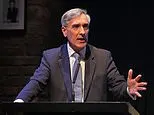
Former Conservative MP and peer John Redwood argues that the state pension "triple lock" is affordable and financially secure, crediting Rachel Reeves's increase in employers' National Insurance contributions (NICs) for boosting the National Insurance Fund, which pays out state pensions. He contends that although he opposed the NICs rise as damaging to business and jobs, it has left the Fund with a substantial and growing surplus, meaning there is no immediate risk to pension payments or future triple lock increases.
According to the Government Actuary's latest report, the Fund holds a £101billion surplus, above the required minimum reserve, and this is forecast to grow to £164billion by 2031, with annual surpluses of around £15billion expected over the next four years. Redwood explains that NICs, unlike general taxation, are largely ring-fenced: about 24 per cent goes to the NHS, while the rest funds the National Insurance Fund on a pay-as-you-go basis, with current workers' contributions funding today's pensioners. He warns, however, that the government could still change legislation to draw down the growing surplus rather than preserve it for future contributors.
In short
- Redwood says NICs rise has secured triple lock pension funding
- National Insurance Fund surplus of £101billion, forecast to hit £164billion by 2031
- Government could still legislate to reduce the growing surplus
Steelman: both sides, in good faith
The strongest fair case each way — we don't pick a winner.
The case for
The triple lock protects pensioners’ incomes from being eroded by inflation or wage growth, and the reported National Insurance Fund surplus suggests the scheme is affordable in the near term. Supporters can argue that a predictable income floor is especially important for older people, while the Fund’s projected surpluses provide a buffer for future increases.
The case against
A large projected surplus does not by itself establish that the triple lock is affordable over the long term: pension costs depend on future demographics, earnings and contribution receipts, and forecasts can change. Critics can also argue that tying increases to the highest of inflation, wage growth or 2.5 per cent may raise spending faster than the economy can sustain, leaving less room for other priorities or requiring higher taxes.
Explained simply
The state pension is a regular payment from the government to people who have reached pension age. It is mainly funded through National Insurance contributions paid by workers and employers, with today’s contributions helping to pay today’s pensions.
The triple lock is a rule for raising the state pension each year. It increases it by the highest of earnings growth, inflation or 2.5 per cent, so the payment keeps pace with prices or wages. The rule affects both pensioners’ incomes and the cost to the public finances.
The National Insurance Fund collects most contributions and pays for state pensions and some other benefits; a portion of contributions goes to the NHS. The fund’s balance and the rules governing its use are relevant to whether pension payments can be maintained, though Parliament can change those rules.
Cricket Government Politics Sport World