Entertainment news and discussion on TalkFuse.
Venice Film Festival Takeaways: Malkovich Storms the Oscar Race, Political Movies Dominate Buzz and More
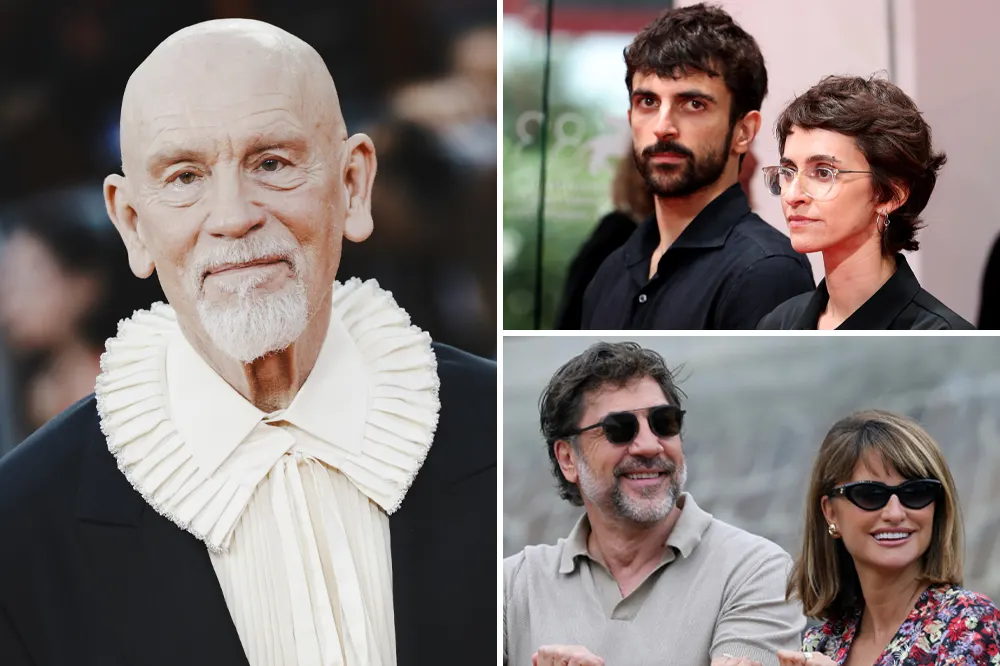
The 83rd Venice Film Festival concluded with a striking mix of record-breaking audience receptions and an unusually political line-up, with artistic director Alberto Barbera calling it "the most political ever". Standout moments included George Clooney receiving the Golden Lion for Lifetime Achievement without a film to promote, and John Malkovich generating strong Oscar buzz for Martin McDonagh's dark comedy "Wild Horse Nine", drawing comparisons to previous McDonagh films that led their casts to Academy Award recognition.
Ovations reached unprecedented lengths this year: "Wild Horse Nine" received 13 minutes of applause, Penélope Cruz and Javier Bardem's "Bunker" earned 15.5 minutes, and the Gaza documentary "NAZA" was met with 24.5 minutes of applause, reportedly the longest ovation ever recorded at a major film festival. Politically charged films dominated the programme, covering topics such as right-wing media figures, online trolling and immigration enforcement, with jury president Maggie Gyllenhaal defending cinema's political nature and arguing it fosters empathy, in contrast to remarks made earlier this year by Berlin jury president Wim Wenders urging filmmakers to "stay out of politics".
In short
- Venice Film Festival 2026 hailed as its "most political" edition yet
- Gaza documentary "NAZA" received a record 24.5-minute standing ovation
- George Clooney won the Golden Lion; Malkovich tipped for Oscar buzz
Steelman: both sides, in good faith
The strongest fair case each way — we don't pick a winner.
The case for
Political films can bring urgent public issues into view and help audiences understand lives and experiences beyond their own. As Maggie Gyllenhaal argued, cinema can foster empathy, while the strong receptions for several politically engaged films suggest viewers are willing to engage with that work.
The case against
Some may argue that films are most effective when they leave room for audiences to reach their own conclusions, rather than foregrounding a political position. Keeping filmmaking at a distance from current political disputes may also help preserve space for ambiguity, artistic independence and shared cultural experience across differing views.
Explained simply
The Venice Film Festival is one of the world’s major film events, where new films are shown to critics, audiences and industry figures before their wider release. Its top prize is the Golden Lion, while a separate award can recognise a filmmaker’s career.
The festival’s artistic director, Alberto Barbera, selects much of the programme, and a jury chooses the main competition awards. Long applause at screenings can attract attention, but it is an informal audience response rather than an award or a measure of how a film will perform later.
Films at festivals often touch on current affairs, and Venice has become a place where filmmakers and industry figures discuss cinema’s relationship with politics. Those debates matter because festivals help shape which films gain attention and how audiences encounter difficult subjects.