Biggest clue yet Trump is bracing for midterm wipeout: ‘It’s not as dire’
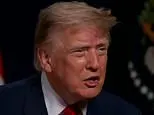
Donald Trump has signalled he does not intend to campaign at full intensity ahead of November's US midterm elections, telling Fox News host Laura Ingraham he will not match the effort of his 2024 presidential run. His comments suggest he is already preparing for the likelihood that Republicans lose control of one or both chambers of Congress, and is instead framing his final two years in office around blocking Democratic legislation and striking occasional deals with them.
Prediction market Kalshi gives Republicans only a 52 percent chance of holding the Senate, where Democrats need to flip four seats, while Democrats are given an 86 percent chance of winning the House. Trump told Ingraham he campaigned relentlessly in 2024, taking no days off over 120 days, but said this contest is "never as important," predicting he would end up "a blocker" against Democratic priorities and possibly negotiate with them. Some Republican allies in Congress have voiced concern over the party's midterm prospects, and a Democratic sweep could bring aggressive congressional investigations into Trump, his administration and his business network.
In short
- Trump says he won't campaign at 2024 intensity for the midterms.
- Prediction markets favour Democrats retaking the House, tight Senate race.
- Trump expects to be a "blocker" and dealmaker as a lame duck.
Steelman: both sides, in good faith
The strongest fair case each way — we don't pick a winner.
The case for
Trump’s lower-key approach could reflect a realistic choice to focus on governing rather than repeat an exhausting presidential campaign, especially when midterms are shaped by local candidates and conditions as well as the president. Preparing to block policies he opposes while remaining open to deals could also be a pragmatic way to work with a Congress that may be divided.
The case against
A president’s campaigning can help unify and motivate his party, so signalling less effort may weaken Republican candidates when control of Congress is at stake. If Republicans lose one or both chambers, Democrats could gain greater power to investigate the administration, while Trump’s emphasis on blocking legislation may deepen gridlock and leave voters with less progress on shared concerns.
Explained simply
US midterm elections take place halfway through a president’s four-year term. Voters choose all 435 members of the House of Representatives and about a third of the Senate, which can change which party controls Congress.
Congress passes federal laws and oversees the government, while the president can veto legislation. If Democrats win control of either chamber, they could make it harder for Trump to advance his agenda and use congressional hearings to investigate his administration and business interests.
Trump is a Republican, and his party currently controls Congress. The balance of power matters for his final two years in office, when he may need to work with lawmakers from both parties to pass legislation.
Elections Government Politics World