Entertainment news and discussion on TalkFuse.
The vapid 2000 movie Guy Ritchie refused to direct: “The studio system is a beguiling thing”
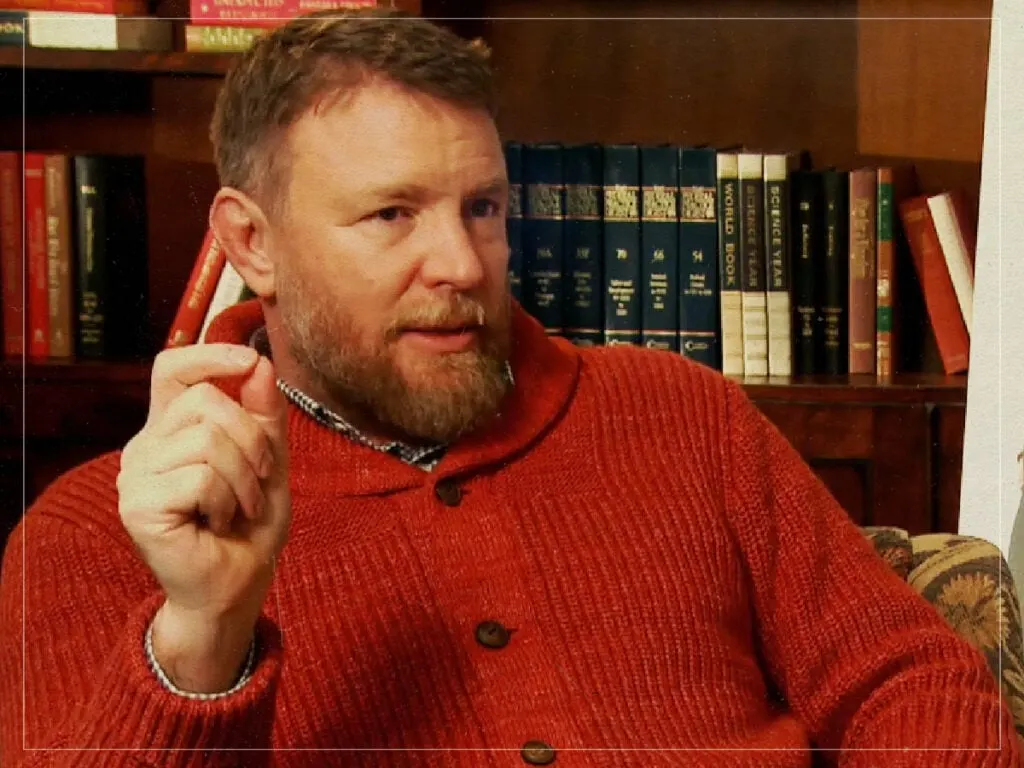
Guy Ritchie turned down the chance to direct the 2000 blockbuster Charlie's Angels shortly after his breakout with Lock, Stock and Two Smoking Barrels, choosing instead to make his own gangster classic Snatch. Ritchie has explained that he avoided the studio picture because it would have stripped him of creative control, preferring instead to keep making low-budget, distinctly British films that let him retain authorship over his work.
Ritchie said he might have accepted the Charlie's Angels job had it been offered before he had established his name, but by that point he was unwilling to cede control to a major studio. He noted that Charlie's Angels cost more than ten times the budget of Snatch, and argued that big-budget films leave directors "at the mercy of the studio's whims", whereas his cheaper productions allowed studios to leave him alone. Making Snatch instead let him build on his signature style, blending British and Hollywood actors, before he later moved into bigger studio fare such as Sherlock Holmes in 2009.
In short
- Guy Ritchie rejected directing Charlie's Angels (2000) to keep creative control.
- He chose to make Snatch instead, extending his Lock, Stock style.
- Ritchie said big studio budgets sacrifice a director's independence.
Steelman: both sides, in good faith
The strongest fair case each way — we don't pick a winner.
The case for
Turning down Charlie’s Angels let Ritchie protect the creative control that had helped define his emerging work. Choosing the lower-budget Snatch gave him room to develop a distinctive style and make a film on his own terms, while avoiding the risk that studio priorities would reshape his vision.
The case against
Taking the Charlie’s Angels role could have offered Ritchie a chance to work at much greater scale and reach a broad audience early in his career. Studio collaboration can bring substantial resources and wider exposure, and accepting the job would not necessarily have prevented him from making more personal films later.
Explained simply
Guy Ritchie is a British film director who became known for fast-paced crime films, including Lock, Stock and Two Smoking Barrels and Snatch. Both films helped establish a style built around gangsters, sharp dialogue and a mix of British and American performers.
Charlie’s Angels is an action comedy based on a 1970s television series, about a team of women working as private investigators. Its 2000 film adaptation was backed by a major Hollywood studio and had a far larger budget than Snatch, reflecting the different scale of the two kinds of production.
Directors making large studio films often work with more people involved in creative and financial decisions. Smaller productions can give a director greater control, while offering less money and reach; Ritchie later went on to direct larger studio films, including Sherlock Holmes.