Video games news, releases, esports and culture — all the biggest gaming stories in one place.
34 Years Later, the Best ‘Calvin and Hobbes’ Quote About the Meaning of Life Is Still Second to None
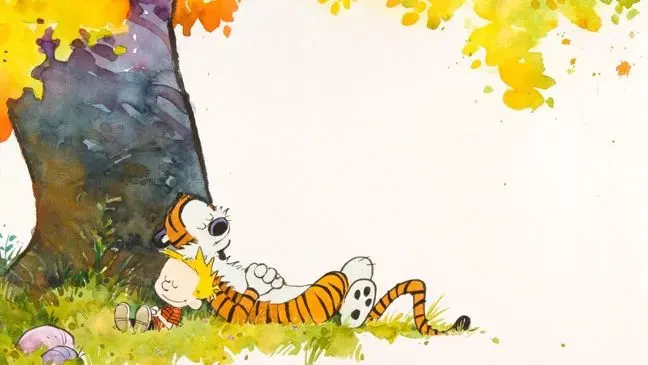
A Polygon writer revisits Bill Watterson's "Calvin and Hobbes" to identify the strip's best quote on the meaning of life, marking 34 years since it first appeared. The exercise matters as a piece of cultural reflection, showing how a children's comic strip could carry genuine philosophical weight and continues to resonate with readers decades after its 1995 conclusion.
The author considers several candidates, including Calvin's grief-stricken lines from the 1987 "Baby Raccoon Story" and reflections on friendship and stargazing, before settling on a 1992 Sunday strip in which Calvin questions why humans evolved a sense of humour. Hobbes's reply — "I suppose if we couldn't laugh at things that don't make sense, we couldn't react to a lot of life" — is chosen as the definitive quote, praised for balancing optimism and sadness while addressing life's absurdity.
In short
- Writer picks the best "Calvin and Hobbes" quote on life's meaning
- 1992 strip: Hobbes on laughing at life's absurdity wins
- Other contenders included 1987's poignant "Baby Raccoon Story"
Explained simply
Comic strips rarely get treated as sources of serious philosophy, but "Calvin and Hobbes" has long been an exception. Created by American cartoonist Bill Watterson, the strip ran in newspapers from 1985 to 1995 and followed six-year-old Calvin and his stuffed tiger Hobbes, who comes to life in Calvin's imagination. Beneath the humour and fantastical adventures, the strip often touched on weighty subjects such as mortality, morality and the nature of existence.
The strip formally ended in 1995, and Watterson himself has remained famously private, giving few interviews and never licensing merchandise. Even so, "Calvin and Hobbes" continues to be widely read, quoted and discussed decades later, with fans and critics regularly revisiting old strips to highlight lines they consider especially profound or moving.
This particular exercise, from the entertainment site Polygon, is one such retrospective: an attempt to single out the strip's finest reflection on the meaning of life, drawing on specific strips from the late 1980s and early 1990s. It matters less as news and more as a reminder of how a strip aimed at newspaper readers of all ages managed to combine comedy with genuine emotional and philosophical depth.