The 10 Best Opening Lines in Book History, Ranked
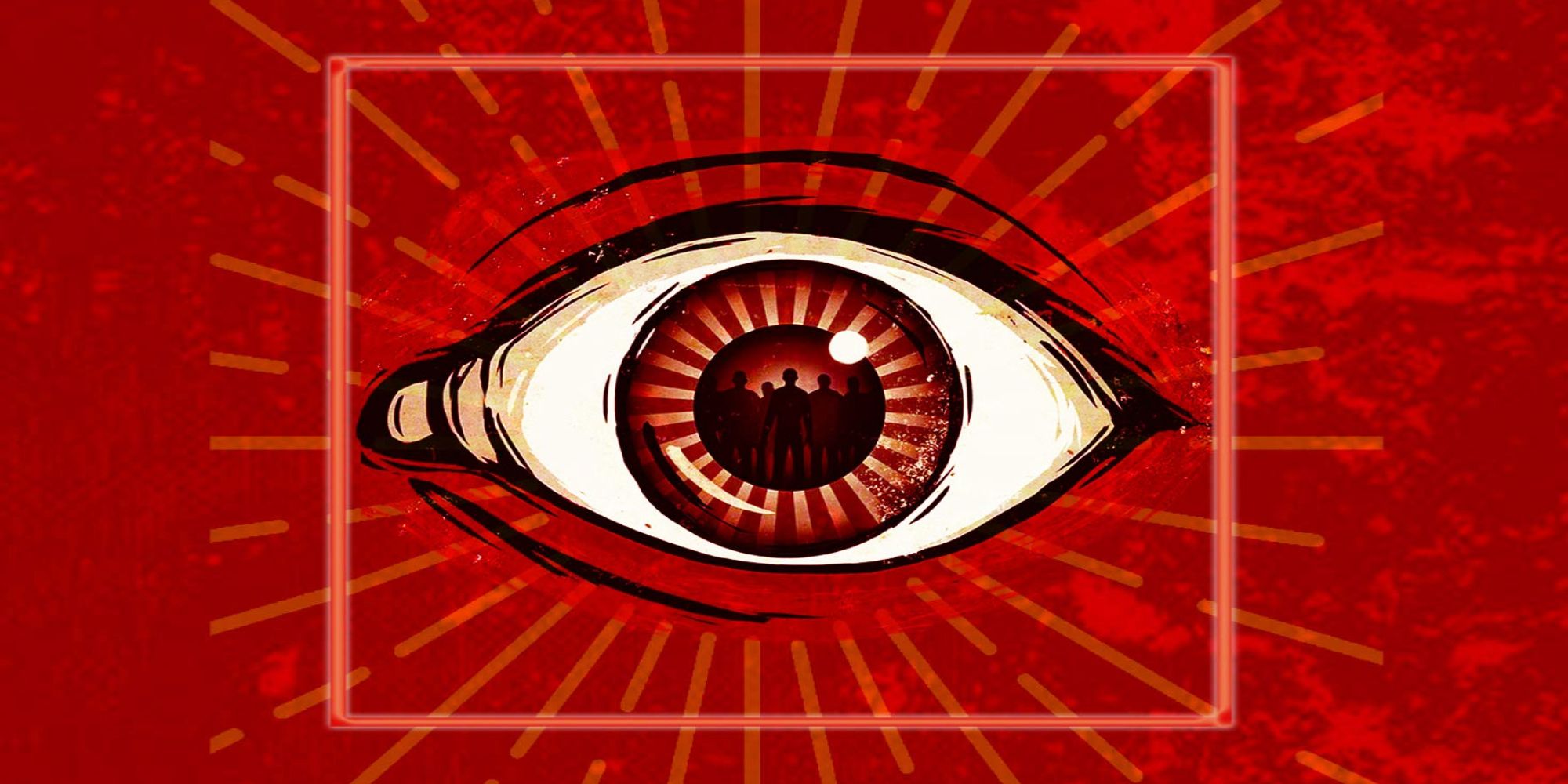
Collider presents a ranked list of the ten best opening lines in book history, celebrating how a strong first sentence can hook a reader and hint at the story to come. The article argues that opening lines deserve as much attention as final lines, since some readers abandon books before finishing, making that crucial first impression especially important.
Entries include House of Leaves' unsettling "This is not for you," George Orwell's Nineteen Eighty-Four with its ominous "It was a bright cold day in April, and the clocks were striking thirteen," and Thomas Pynchon's Gravity's Rainbow, which opens with "A screaming comes across the sky." The list also nods to Herman Melville's famous "Call me Ishmael" from Moby-Dick, with the author explaining the reasoning behind each selection, including thematic links to titles and how the lines set tone or mood.
- Collider ranks the ten best opening lines in literary history.
- Featured picks include Nineteen Eighty-Four, Moby-Dick and Gravity's Rainbow.
- Article stresses first lines are as vital as strong endings.
New here? Start with this
Book collectors and casual readers alike often talk about the "first line" of a novel as a kind of test: does it grab you enough to keep going? Some readers give up on a book within the first page or two, so the opening sentence carries real weight in deciding whether a story gets read at all.
This piece is a magazine-style ranked list from the entertainment site Collider, picking out ten opening lines it considers the best in literary history. It draws on well-known novels, including George Orwell's dystopian classic Nineteen Eighty-Four, Herman Melville's seafaring epic Moby-Dick, Thomas Pynchon's postmodern Gravity's Rainbow, and the horror novel House of Leaves, explaining what makes each line effective, whether through mood, mystery or a connection to the book's title.
Lists like this are a familiar feature of entertainment and books journalism rather than hard news. They reflect one writer's or outlet's opinion and are meant to spark discussion among readers about their own favourite books and openings, rather than report on any factual development.