What was the PSX? The souped-up PS2 rarely sold outside of Japan
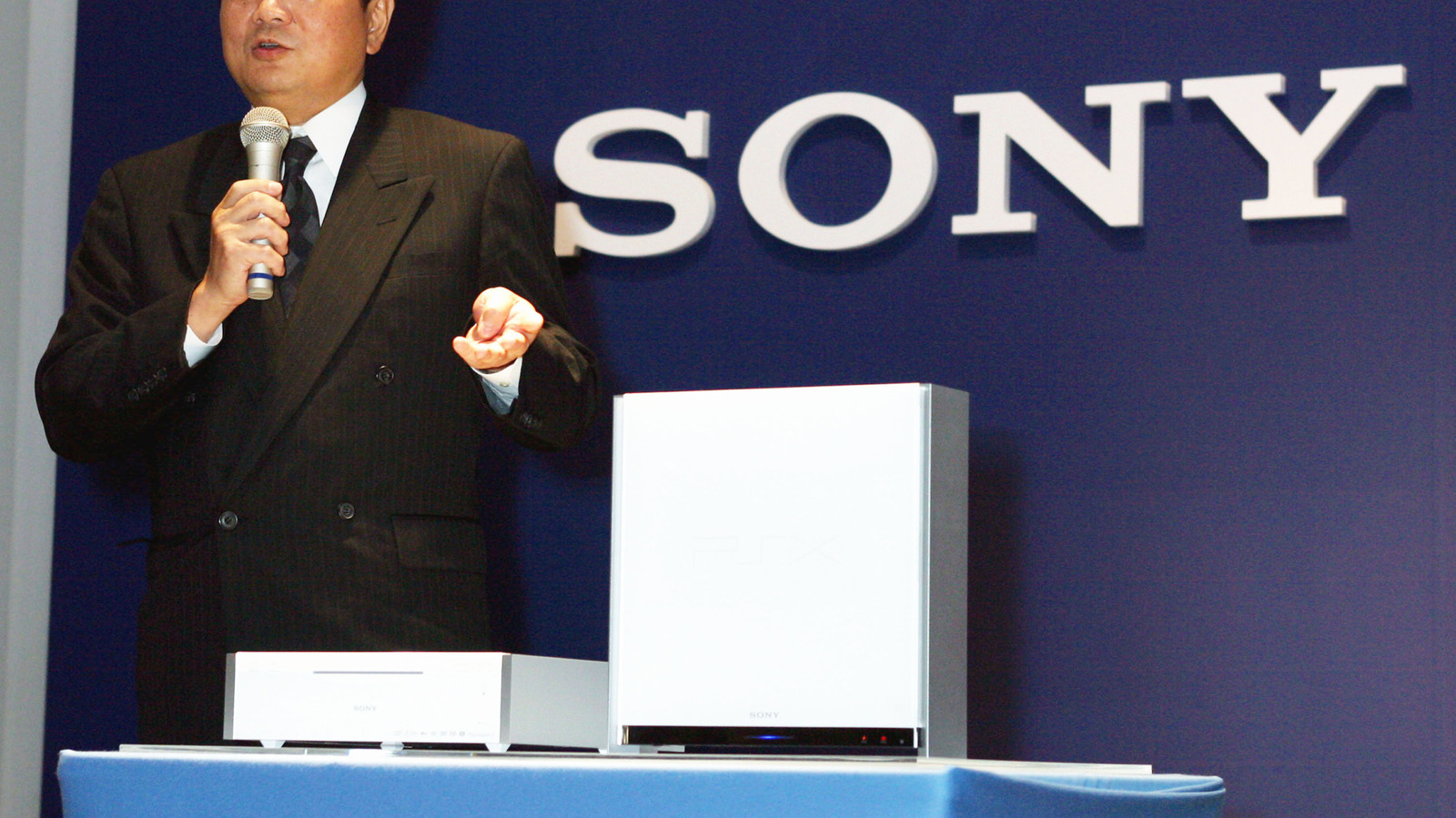
The Sony PSX was a quirky hybrid console released only in Japan in December 2003, combining a fully functional PlayStation 2 with a DVR, DVD burner, TV tuner and broadband capability. It matters as a curious footnote in gaming history because, despite its ambition, it flopped commercially and was quietly phased out by early 2005, while its home menu, the XrossMediaBar, went on to become a defining feature of the PS3.
The machine launched with either a 160GB or 250GB hard drive and sold 100,000 units in its first week, but demand quickly dried up and Sony never released reliable lifetime sales figures. Reported internal conflict between Sony's games and Blu-ray divisions reportedly hampered development, while steep pricing (around $730-$910 versus roughly $179 for a PS2 at the time) and Japan-specific broadcasting features that complicated an international release all contributed to its downfall.
- Sony's PSX combined a PS2, DVR and DVD burner, Japan-only in 2003
- It sold poorly and was discontinued by early 2005
- Its XMB menu later became a defining PS3 feature
New here? Start with this
Sony's PSX was a Japan-only console that launched in December 2003, blending a working PlayStation 2 with a hard-disk video recorder, DVD burner, TV tuner and internet features. Sony built it in two versions, with 160GB or 250GB of storage, aiming to turn a games machine into an all-in-one home entertainment hub for Japanese living rooms.
It was never sold outside Japan, partly because its TV recording functions were tailored to Japanese broadcasting standards, and it cost far more than a standard PS2 at the time. Sales were strong in its first week but fell away quickly, and Sony wound the product down within about a year, without ever confirming total sales figures.
The PSX is remembered today mainly because it introduced the XrossMediaBar, a menu system for navigating media and settings that Sony later carried over to the PlayStation 3, giving the device a lasting legacy despite its own commercial failure. Reports have also pointed to friction between different divisions within Sony as a factor in how the project developed.