“A lot of people think they’ll lose their jobs if they get creative. But our career is based on doing what we want”: When Opeth gambled on their future by ditching metal and embracing prog on Heritage
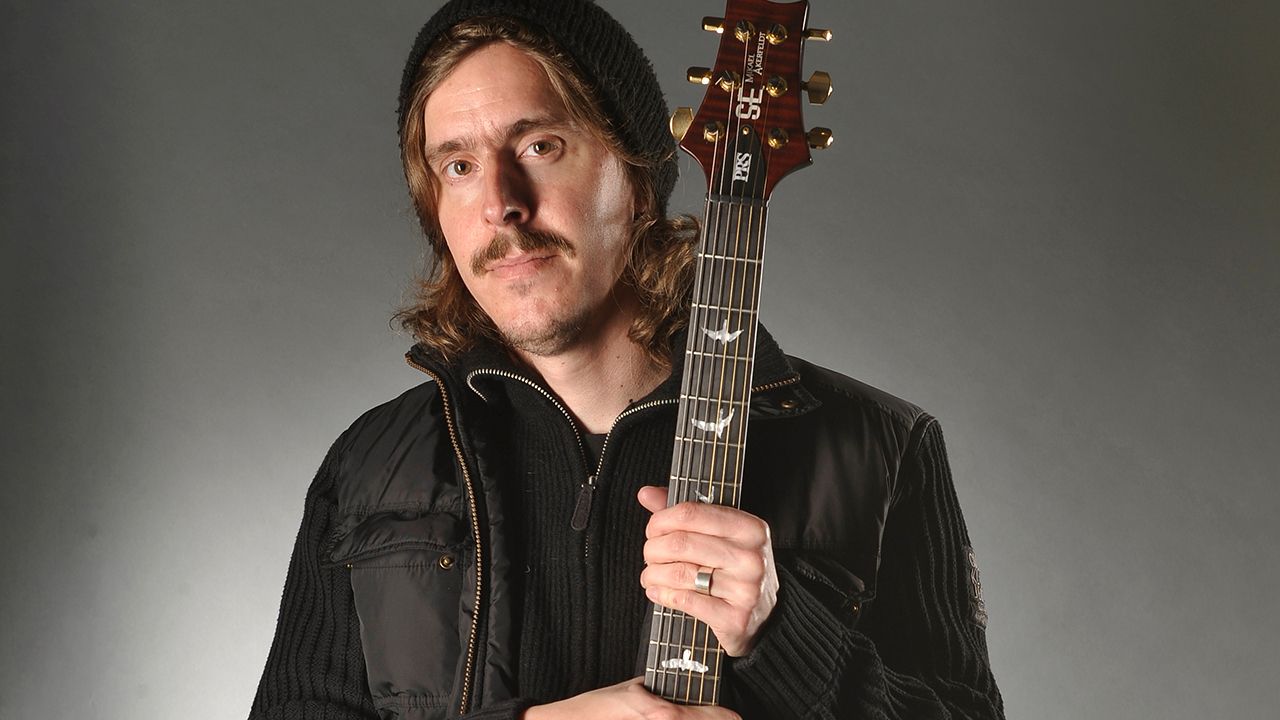
In 2011, Swedish band Opeth released their tenth studio album, Heritage, marking a dramatic departure from the death metal sound that had defined their previous two decades. The record dropped the band's signature growled vocals and heavily distorted guitars in favour of a progressive rock style, a shift that unsettled some long-standing fans but reflected frontman Mikael Åkerfeldt's belief that the band had been building towards this sound since their earliest work.
Åkerfeldt explained that he initially wrote material resembling a continuation of 2008's Watershed, but scrapped it after bandmate Martin Mendez said it wasn't good enough, prompting him to start afresh with the track The Lines In My Hand and complete the rest of the album within six or seven months. Guitarist Fredrik Åkesson admitted initial scepticism about losing the growls and distortion but came round once he heard the material, while Åkerfeldt acknowledged some fans would be disappointed but argued the change fitted the band's history of experimentation, also crediting it with giving drummer Martin Axenrot's playing more room to shine.
- Opeth's 2011 album Heritage abandoned death metal for progressive rock
- Åkerfeldt scrapped early tracks and rewrote the album from scratch
- Move divided fans but bandmates embraced the creative risk