Entertainment news and discussion on TalkFuse.
Lovecraft Meets ‘Watchmen’ in HBO’s 88% RT Sci-Fi Horror Series
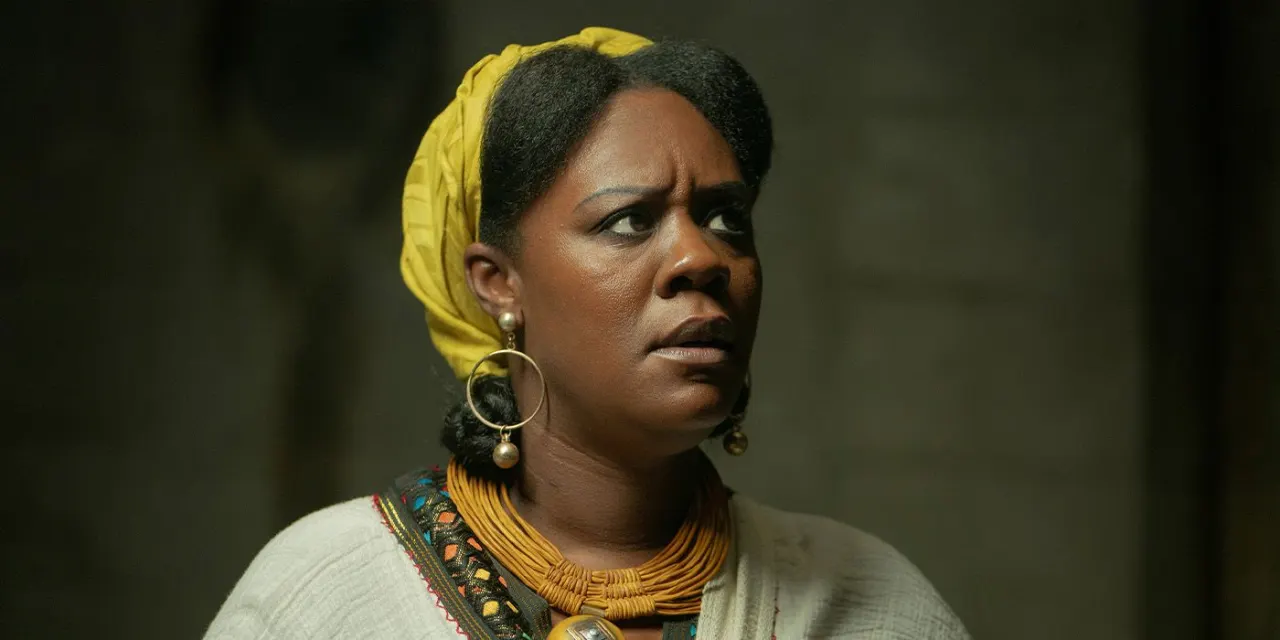
Lovecraft Country, a short-lived HBO series, remains one of television's most acclaimed takes on H.P. Lovecraft's cosmic horror, holding an 88% score on Rotten Tomatoes. The show is notable for setting its story in the Jim Crow-era United States, using Lovecraftian monsters and mythology to explore racism, segregation and prejudice, while pointedly acknowledging Lovecraft's own history of xenophobic writing by making a Black man, Atticus Freeman, its hero.
The plot follows Atticus (Jonathan Majors), a Korean War veteran, who returns to Chicago to find his father Montrose (Michael K. Williams) missing, prompting a road trip with his uncle George (Courtney B. Vance) and childhood friend Letitia (Jurnee Smollett) into New England's "Lovecraft Country". There they uncover a conspiracy led by a white supremacist cult, the Sons of Adam, and find that human prejudice often proves more dangerous than the supernatural threats they encounter. The article draws parallels with HBO's Watchmen, another series released around the same time that similarly uses speculative fiction to confront real-world social and civil rights issues.
In short
- Lovecraft Country holds an 88% Rotten Tomatoes score
- Blends Lovecraftian horror with Jim Crow-era racism themes
- Compared to HBO's Watchmen for tackling social issues via genre fiction
Steelman: both sides, in good faith
The strongest fair case each way — we don't pick a winner.
The case for
Using cosmic horror to examine Jim Crow racism can make historical prejudice vivid and expose how ordinary institutions and people can be more threatening than imagined monsters. Making Atticus a Black hero also directly challenges the exclusionary assumptions in Lovecraft’s work, while the comparison with Watchmen suggests speculative fiction can engage seriously with civil rights history.
The case against
Some viewers may feel that tying Lovecraft’s mythology so closely to racism risks narrowing a complex genre into a vehicle for a single contemporary interpretation. Others may question whether supernatural spectacle can do justice to the lived realities of segregation, or whether the show’s direct critique of Lovecraft overshadows the ambiguity and imaginative unease that make his horror distinctive.
Explained simply
H.P. Lovecraft was an early 20th-century writer whose tales of ancient, otherworldly beings helped shape cosmic horror. His fiction has also drawn attention for its racist and xenophobic views, which later adaptations have had to reckon with.
Lovecraft Country is set in the United States under Jim Crow laws, when racial segregation and discrimination were enforced across much of the country. Its central character, Atticus Freeman, is a Black Korean War veteran; his search for his missing father takes him and his companions into a world of supernatural threats and organised white supremacy.
The series belongs to a wider tradition of using fantasy and science fiction to explore real social history. HBO’s Watchmen, based on the comic by Alan Moore and Dave Gibbons, also used a superhero story to address racism and civil rights in America.